Performance Wearables Are Moving Beyond Step Counts
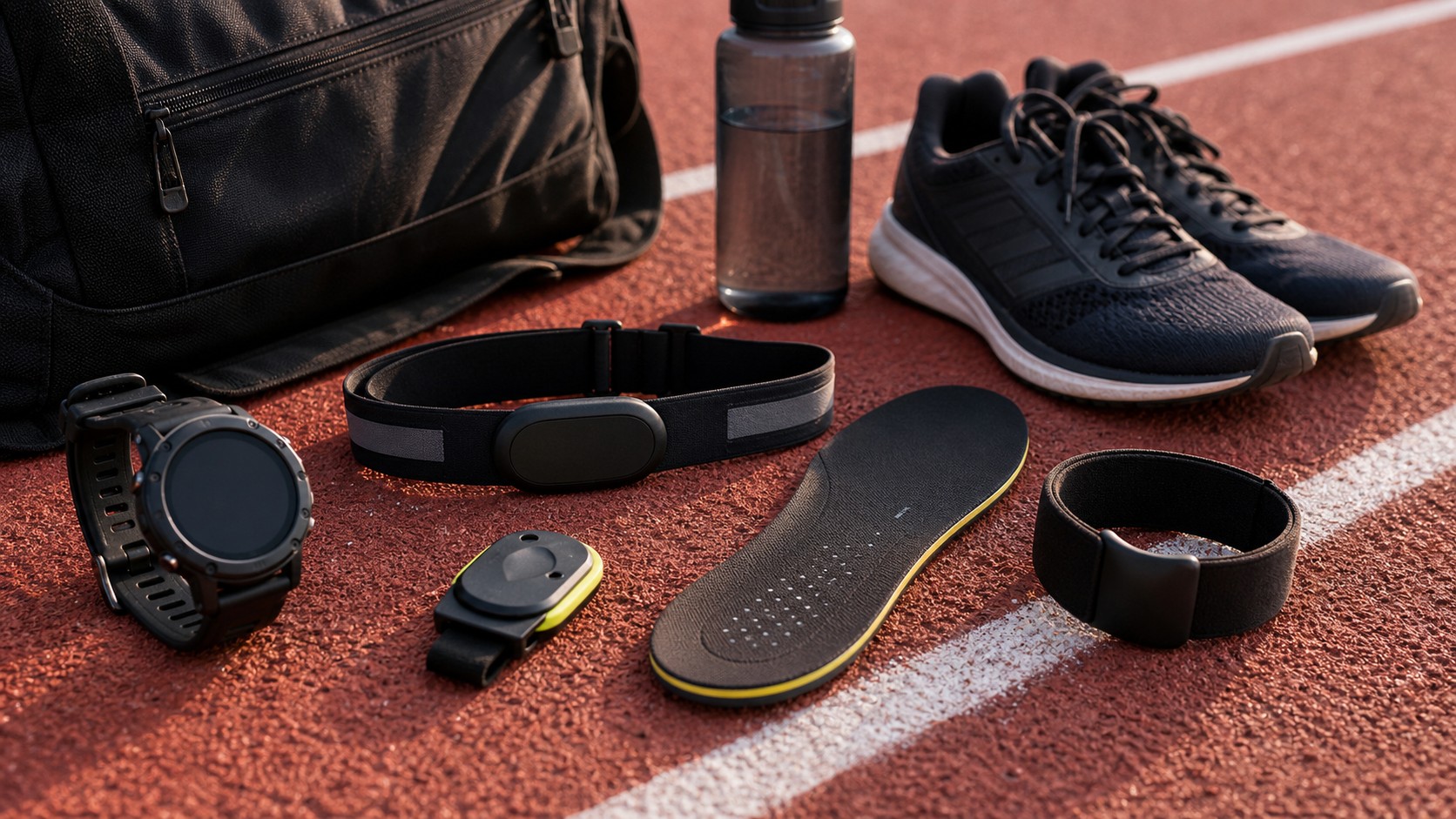
The best sports wearables for fitness tracking and performance improvement are no longer simple wrist gadgets that reward movement with a cheerful ring. Serious athletes and committed recreational users now build small sensor systems around the demands of their sport: a GPS watch for pacing and navigation, a chest strap for high intensity heart rate accuracy, a foot pod for running dynamics, a ring or recovery band for overnight readiness, and sometimes smart insoles for pressure, symmetry, and return-to-play feedback. The real value comes from choosing devices that answer training questions instead of collecting numbers for their own sake. A cyclist may care most about zones, fatigue, and route reliability. A runner chasing a faster 10K may need pace stability, cadence, ground contact balance, and recovery timing. A field athlete may benefit from sprint load, change-of-direction data, and strain monitoring. No wearable guarantees improvement by itself, but the right mix can expose patterns that are hard to feel in the moment: when easy days are not easy, when sleep is undermining speed sessions, when form breaks down late in a workout, or when a new shoe changes impact loading. For performance, the winning device is the one you will wear consistently, trust under pressure, and use to adjust tomorrow’s session.
A: Not always. Many athletes can start with a strong GPS watch, then add a chest strap, ring, foot pod, or insole only when a specific training question appears.
A: For hard intervals, rapid surges, and cold weather sessions, a quality chest strap is usually more dependable because it reads electrical heart activity instead of optical blood flow.
A: A ring is better for sleep and recovery trends than for live pacing, GPS routes, lap timing, and sport screens, so it usually complements a watch.
A: They can be useful when gait, pressure, injury return, or shoe comparison matters, but casual runners may not need that depth every week.
A: Training load paired with recovery trends is often the most actionable combination because it helps athletes decide when to push, maintain, or back off.
A: Use them as trend indicators, not lab-grade measurements. They are most helpful when workouts, routes, and sensor habits stay consistent.
A: GPS is less useful indoors, but watches may still track heart rate, accelerometer-based movement, strength sessions, swimming, and paired external sensors.
A: A quick daily glance is enough for recovery, while deeper reviews usually work best weekly after several sessions create a useful pattern.
A: They cannot guarantee prevention, but they can flag rising load, poor sleep, asymmetry, and sudden routine changes that often deserve attention.
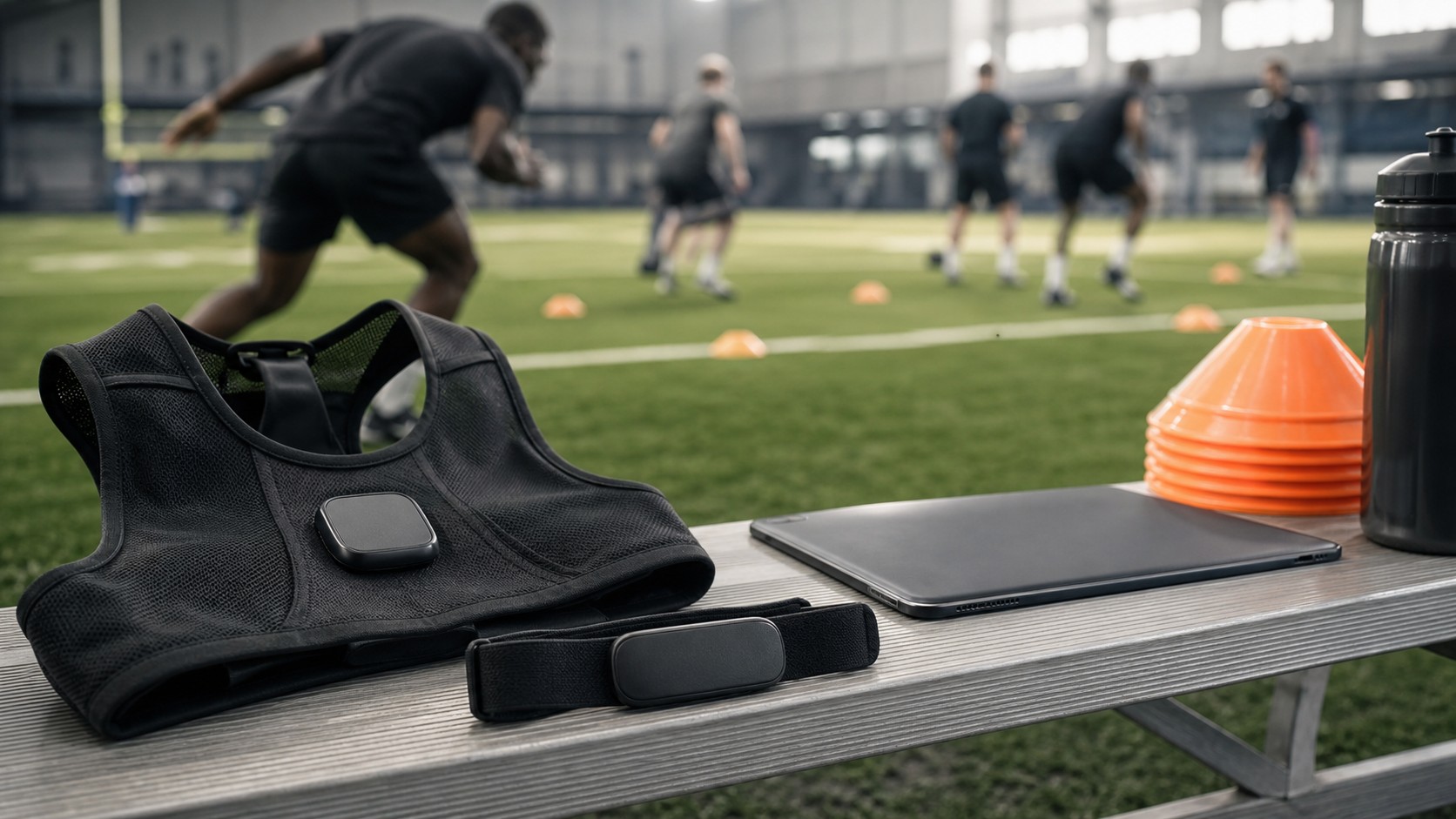
A: Team GPS vests and pods are strongest for sprint load, distance, and high speed efforts, while watches and bands are better for individual recovery.
How to Choose Sports Wearables for Better Training
A performance wearable should fit the sport before it fits the spec sheet. The athlete who trains mostly on roads needs different help than the athlete who lives in a gym, on a court, in a pool, or on technical trails. Start by naming the decision the device will improve. Will it tell you when to slow down on easy days, whether your interval pace is repeatable, how much high speed running you accumulated, or whether recovery is lagging after travel? When the use case is clear, features become easier to judge.
Accuracy also depends on placement. Wrist optical sensors have improved, but they still struggle when the wrist flexes, the watch moves, or intensity changes suddenly. Chest straps are not glamorous, yet they remain the practical choice for threshold tests, hill repeats, and sessions where a few beats per minute change the interpretation. Rings and recovery bands are better at passive tracking because they are comfortable enough for sleep and capture trends over many nights. Foot pods and smart insoles move the sensor closer to the mechanics of running, cutting through some of the noise that wrist movement introduces.
GPS Watches: The Training Hub
A good multisport GPS watch is still the center of most performance setups. It gives live pace, distance, splits, route guidance, workout prompts, altitude, estimated training load, and recovery suggestions in one place. For runners, triathletes, hikers, and endurance athletes, the watch becomes the training diary and the cockpit. The top models are not just more expensive because they look rugged; they add stronger satellite modes, longer battery life, better maps, larger displays, and more flexible data screens.
For performance improvement, the most useful watch features are the ones that change behavior during a session. Pace alerts can stop a tempo run from turning into a race. Structured workouts can keep intervals honest. Climb screens can help trail athletes manage effort when pace is misleading. Navigation can keep long efforts calm, which preserves energy for the workout rather than route anxiety. Afterward, training load and recovery estimates help place the workout into the bigger picture.
The caution is that watches can make rough estimates look precise. VO2 max, race predictions, stamina, and readiness scores are modeled from imperfect inputs. They are valuable when they move in a believable trend, less valuable when treated as a verdict on one workout. The best users look for repeated signals across heart rate, pace, sleep, perceived effort, and performance.
Chest Straps and Armbands: Better Heart Rate Data
Heart rate is still one of the simplest ways to control intensity, but only when the sensor keeps up. A chest strap is usually the best add-on for athletes who do intervals, threshold work, cycling, rowing, or any session where intensity changes quickly. Because it reads electrical signals, it responds faster than most wrist sensors and is less likely to lock onto cadence during running.
Optical armbands sit between wrist watches and chest straps. They are often more comfortable than straps and more stable than wrist readings because the upper arm has better contact and less movement noise. For athletes who dislike chest straps, an armband can be a useful compromise for gym work, indoor cycling, and steady runs.
The performance benefit is cleaner zone work. If easy training is creeping too hard, heart rate exposes it. If threshold sessions are inconsistent, the strap shows whether effort is drifting. If recovery is poor, the same pace may demand a higher heart rate than usual. Over time, that relationship between output and internal cost becomes one of the most useful signals in endurance training.
Rings and Recovery Bands: Readiness Without Another Screen
Smart rings and recovery bands are strongest when they disappear into the day. They track sleep duration, sleep timing, resting heart rate, heart rate variability, skin temperature trends, respiratory rate, and strain. Their purpose is not to coach every rep. It is to show whether the body is absorbing training.
For performance improvement, recovery data works best as a pattern. One rough night should not cancel a planned workout automatically, especially when life, stress, or sensor fit can distort readings. A multi-day slide in heart rate variability, rising resting heart rate, poor sleep regularity, and unusually heavy legs is more persuasive. Athletes can use that cluster to reduce volume, move a hard session, or protect an easy day.
Rings have limits. They can be awkward or unsafe during heavy lifting, contact sports, and grip-intensive work. Bands may be better for 24-hour wear in those settings. Either way, the recovery device should support judgment rather than replace it. The goal is better timing: harder work when the body is ready, lighter work when adaptation needs space.
Foot Pods: Running Form and Pace Precision
Foot pods are small sensors that clip to a shoe or lace area and estimate pace, distance, cadence, stride length, ground contact time, vertical oscillation, and sometimes running power. They shine when GPS is unreliable: indoor tracks, treadmills, city blocks, wooded paths, and tight turns. A calibrated foot pod can make pace steadier than a watch that is waiting for satellite smoothing.
The deeper value is form feedback. Cadence alone does not make someone efficient, but cadence changes under fatigue can reveal breakdown. Ground contact time can show whether a runner is spending longer on the ground late in a workout. Vertical oscillation can suggest bouncing that wastes energy. Running power, while not standardized across brands, can help compare effort on hills and windy routes when pace is not enough.
Foot pod data should be introduced gradually. Changing form to chase a number can create new problems. The smarter approach is to observe baseline patterns, compare similar workouts, and use drills or strength work to nudge mechanics over time. For runners trying to improve performance without simply adding more mileage, that mechanical lens can be useful.
Smart Insoles: Pressure, Symmetry, and Return-to-Play Insight
Smart insoles bring measurement directly under the foot. Depending on the system, they may track pressure distribution, impact loading, pronation-related patterns, stride symmetry, contact time, and fatigue changes. This category is especially interesting for runners coming back from injury, athletes testing shoes, and coaches who need objective gait data outside a lab.
The advantage is specificity. A watch may show that pace fell apart. An insole may show that pressure shifted late in the session or that one side carried more load. For return-to-play plans, that information can help identify when an athlete is compensating even if they feel fine. For shoe selection, it can reveal whether a new model changes loading patterns in a way that deserves caution.
Smart insoles are not mandatory for everyone. They cost more, require fit attention, and can generate data that needs interpretation. They make the most sense when there is a clear reason: recurring discomfort, asymmetry concerns, rehabilitation, performance testing, or a serious attempt to refine running economy.
Team GPS, Sport Pods, and Location Tracking
In team sports, performance is often about repeated bursts rather than steady pace. GPS vests and sport pods can measure total distance, high speed running, sprint count, acceleration, deceleration, and positional workload. Soccer, rugby, lacrosse, and field hockey programs use these tools to manage training load and compare match demands with practice demands.
For individuals, the same idea applies on a smaller scale. A trail runner needs GPS accuracy and battery endurance. A skier may want speed, descent, and route mapping. A cyclist may pair GPS with power, cadence, and radar. The key is matching location data to the actual performance demand. Distance alone rarely tells the whole story.
Building a Wearable Stack Without Data Overload
The strongest setup is usually simple: one primary training device, one accuracy upgrade, and one recovery view. For many endurance athletes, that means a GPS watch, chest strap, and ring or band. For runners focused on mechanics, swap in a foot pod or smart insoles. For team sport athletes, a GPS vest plus recovery tracking may be more useful than another watch.
To avoid data overload, choose a small dashboard of metrics and keep it stable for several weeks. A runner might track weekly volume, easy run heart rate, interval pace, sleep regularity, and soreness. A cyclist might track power zones, heart rate response, training stress, and recovery. A basketball player might track jump load, sleep, readiness, and lower limb soreness. Improvement usually comes from consistent decisions made from consistent signals.
Privacy deserves attention, especially for team platforms and apps that share routes, health metrics, or location history. Athletes should review default sharing settings, coach access, map visibility, and export options. Performance data is personal, and the best wearable ecosystem is one that makes control obvious.
Which Sports Wearable Should You Buy First?
If you are starting from zero, buy the device that will improve the next month of training, not the one with the longest feature list. A runner, triathlete, hiker, or cyclist should usually start with a strong GPS watch. An athlete who already owns a watch but doubts heart rate accuracy should add a chest strap. Someone struggling with fatigue, poor sleep timing, or inconsistent recovery may benefit most from a ring or recovery band. A runner chasing form and pace precision should consider a foot pod, while an athlete managing gait, pressure, or rehab questions should look at smart insoles.
The best sports wearables make training more honest. They show when you are fitter, when you are forcing, and when the plan needs a small adjustment before a small issue becomes a larger one. The device is only the messenger. The performance gain comes from responding with discipline: easier easy days, better timed hard days, more consistent recovery, and enough patience to let the data become a trend.
The strongest setup is usually the one that answers a training question you already care about. A runner chasing steadier pacing may need GPS and a foot pod more than another recovery score. A strength athlete may benefit more from load tracking, sleep context, and a simple heart-rate strap for conditioning work. Performance improves when the wearable narrows attention instead of adding more dashboards to ignore.