Wearables Have Become Part Of The Training Staff
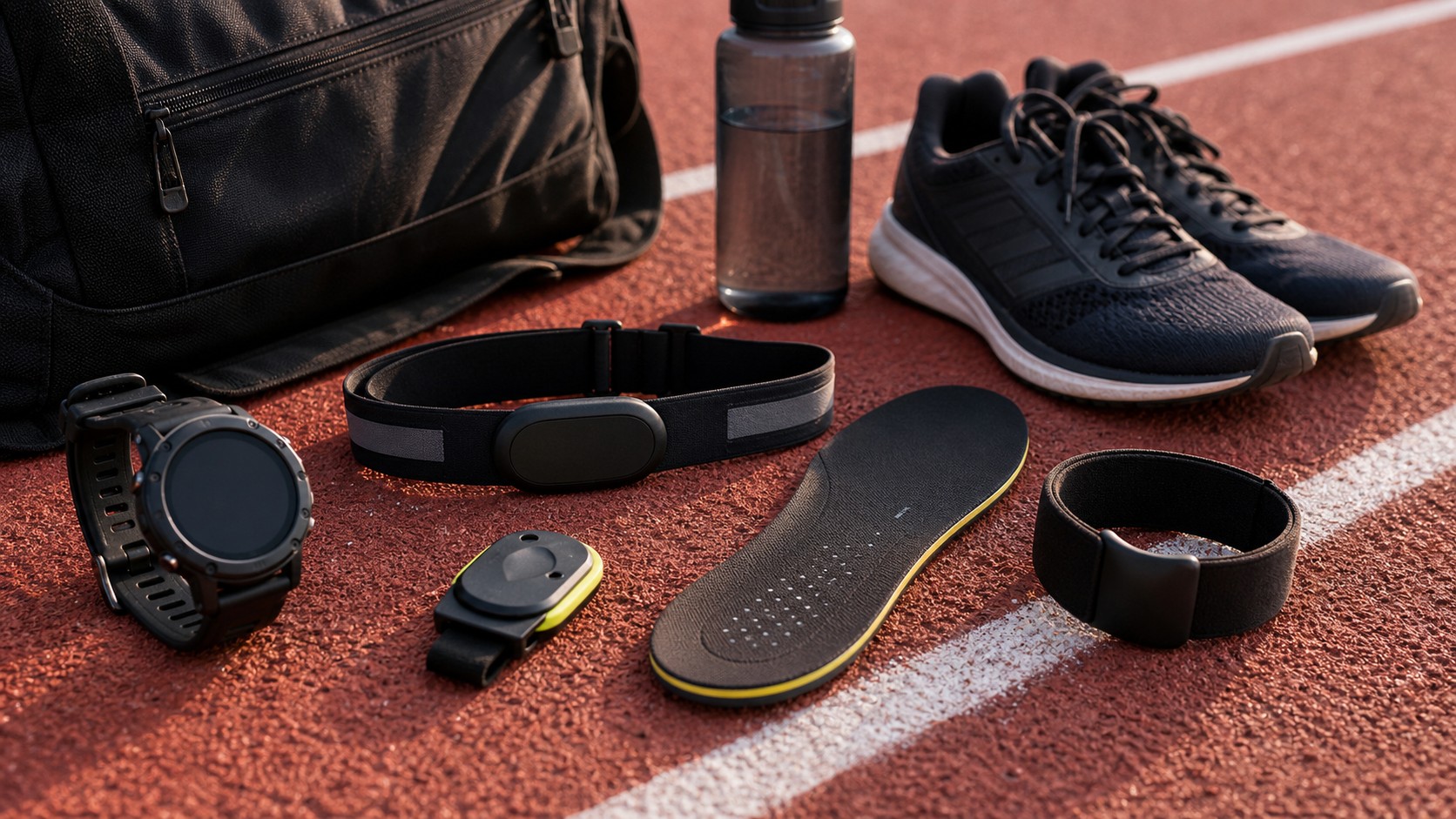
Professional sports teams no longer treat wearable technology as a futuristic accessory or a loose wellness experiment. In many clubs, leagues, and high performance centers, sensors are now part of the daily operating system. GPS vests measure running volume and sprint exposure, inertial sensors capture changes of direction, heart rate straps show internal stress, sleep tools flag recovery problems, and force plates or smart insoles reveal asymmetries before they become obvious on the field. The biggest shift is not the amount of data available. It is the way coaches, performance directors, medical teams, and athletes use that data together. Wearables help translate training from a collection of drills into a measurable workload, then connect that workload to readiness, tactical demands, injury history, travel, and competitive calendars. A player can still be judged by feel, body language, and performance, but those human signals now sit beside objective patterns gathered across sessions. The result is a more deliberate training environment, where decisions about intensity, substitution, rehab, and rest are increasingly shaped by evidence gathered from the athlete’s own body.
A: No. They give coaches clearer evidence about workload, speed exposure, and fatigue, but the final decision still depends on tactics, experience, athlete feedback, and medical judgment.
A: They can reduce some risks by identifying workload spikes, asymmetry, or poor recovery, but no sensor can guarantee prevention in a contact sport or high speed competitive setting.
A: High speed running is linked to match readiness and soft tissue stress, so teams monitor it to prepare athletes for competition without creating avoidable overload.
A: They are useful trend indicators, but teams should interpret them with sleep quality, travel, soreness, illness, emotional stress, and the athlete's own report.
A: Access should be limited to approved performance, medical, and coaching staff, with clear rules separating training support from employment or contract decisions.
A: Different roles create different physical demands, so comparing a defender, midfielder, sprinter, pitcher, or forward against the same workload target can mislead staff.
A: Yes, when paired with video and coaching context. Sensors can show movement timing, balance, acceleration, rotation, or fatigue effects during technical actions.
A: Trust grows when teams explain what is collected, how it is used, who can access it, and how players can discuss or challenge interpretations.
A: A useful dashboard highlights the few metrics tied to a decision, shows trends instead of isolated numbers, and makes exceptions easy to review quickly.
A: Many will. Sensors are moving into clothing, footwear, protective gear, and routine recovery tools, making collection less intrusive during professional training.
From Raw Data To Coaching Decisions
The most useful wearable programs begin with a simple question: what decision will this data improve? A club may want to know whether a striker has completed enough high speed work before returning from a hamstring injury. A basketball team may need to understand how much jump load a player accumulates across practice, shootaround, and games. A baseball staff may track recovery after travel before setting bullpen intensity. The value appears when the device is tied to a repeatable decision, not when the staff collects every available metric and hopes meaning appears later.
In elite environments, the data usually moves through several layers. Analysts clean and organize the numbers, performance staff interpret the physical demands, medical staff consider injury history, and coaches decide how the next session should look. The athlete’s voice matters as well. A dashboard can show that a player is within normal limits, while the player reports unusual soreness or poor sleep. It can also show a sharp workload spike even when the player feels strong. The best teams build a conversation around those differences instead of treating the wearable as a verdict.
This is where professional sport has changed most. Training used to depend heavily on planned drills, coach intuition, and visible effort. Those still matter. Wearables add a memory that is more precise than anyone’s eye. They show whether a tactical session actually reached match speed, whether a rehab drill exposed the athlete to enough deceleration, and whether a player is quietly accumulating stress across a congested week.
The teams getting the most from these systems usually keep reports short. A head coach does not need twenty charts before a morning session. They need to know which players are underprepared, which are overloaded, which drill may need a constraint, and which athlete should be checked by performance or medical staff before the day accelerates. Wearables become useful when they turn a complex training week into a handful of timely choices.
GPS Vests And The New Language Of Load
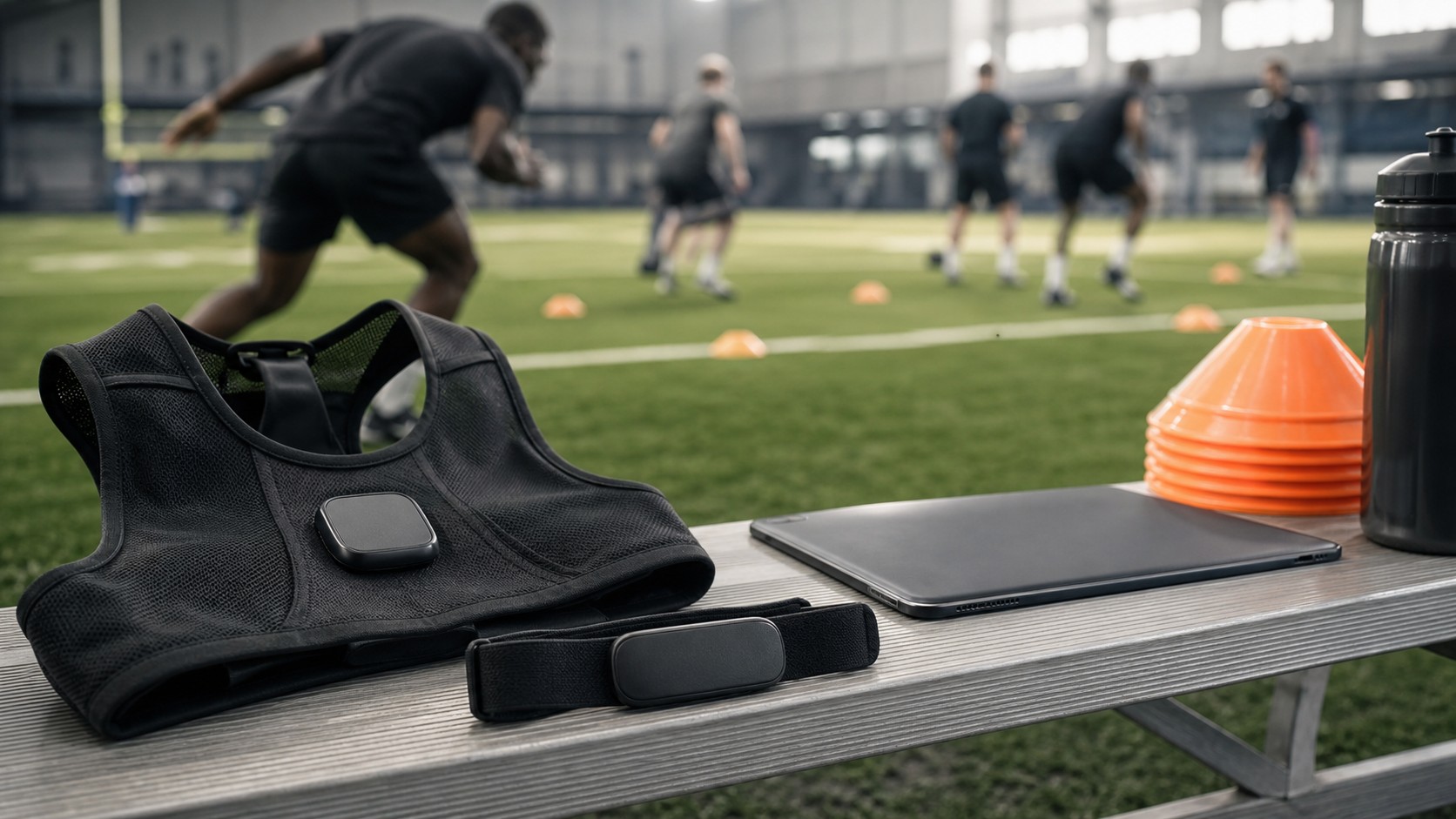
GPS vests are the most visible symbol of the shift. Worn under a training top, they typically combine satellite positioning with accelerometers and gyroscopes. In outdoor sports, they help teams quantify distance, speed zones, sprint count, acceleration, deceleration, and directional demands. For soccer, rugby, football, lacrosse, and many field sports, that data has become a shared language between coaches and performance departments.
Load management is often misunderstood as simply resting players. In practice, it is about giving athletes the right stress at the right time. Too little exposure can leave a player unprepared for game speed. Too much stress, especially after travel, illness, or a minutes spike, can raise injury risk or degrade performance. Wearables help staff see both sides. A player returning from injury may need a controlled increase in sprint distance before being cleared. A starter who played heavy minutes may need a lower volume day but still require a few sharp accelerations to maintain rhythm.
Position context is crucial. A winger, wide receiver, fullback, midfielder, and defensive back can have very different movement signatures. If a team uses one generic target, the numbers become blunt. Pro staffs increasingly build position specific profiles, then compare current work against the athlete’s own baseline. That keeps the conversation practical. The question becomes whether today’s training matched the demands this athlete is likely to face, not whether everyone hit the same number.
Indoor and stadium environments add another layer. Some teams blend local positioning systems, optical tracking, and wearable sensors to reduce blind spots when satellite data is limited. That matters for sports built around short bursts, contact, and tight spaces. A small sided drill, a defensive slide sequence, or a special teams rep may create more stress than its duration suggests, and better tracking helps staff spot those hidden costs.
Injury Risk Is A Pattern, Not A Crystal Ball
Wearables are powerful for injury risk conversations, but they are not magic. A sensor cannot see every tackle, landing, emotional stressor, or tissue response. What it can do is reveal patterns that deserve attention. Sudden increases in sprint volume, repeated heavy deceleration days, poor sleep trends, asymmetry in force output, and unusual heart rate responses can all suggest that the athlete needs a closer look.
The best programs avoid declaring that a device predicted an injury. Instead, they use data to identify risk factors early enough to adjust. A coach might reduce a player’s drill volume, modify a conditioning session, add recovery work, or ask the medical team to screen a movement pattern. In rehab, wearables help make return to play less vague. Staff can compare the athlete’s current exposure with pre-injury baselines and game demands. Has the player sprinted at true competitive speed? Has the athlete handled repeated changes of direction? Are left and right outputs converging? Those answers make clearance discussions more grounded.
There is also a cultural benefit. When players see that data is used to help them stay available and perform, rather than to punish them, they are more likely to report soreness honestly. That trust is a competitive advantage. Availability is not only a medical outcome; it is the product of communication, planning, and shared confidence.
Recovery Tracking Extends The Training Day
Professional training no longer ends when practice ends. Recovery tracking has pulled sleep, travel, hydration, heart rate variability, resting heart rate, soreness, and perceived fatigue into the performance conversation. Wrist devices, rings, straps, and questionnaires can create a daily readiness picture that helps staff decide how aggressively to train.
These signals are most useful as trends. A single low readiness score may reflect one poor night or a measurement issue. A week of declining sleep quality, elevated resting heart rate, and heavy match load is harder to ignore. Teams can adjust meeting schedules, recovery modalities, nutrition timing, or practice design. During road trips, recovery data can help identify who is struggling with travel and who is adapting well.
There is a human limit to this tracking. Athletes are not machines, and constant measurement can feel invasive if staff fail to explain boundaries. Mature organizations define what is voluntary, what is required, how long data is stored, and how it can be used. They also leave room for context. A new parent, an athlete fasting for religious reasons, or a player managing personal stress may show unusual recovery patterns that require discretion rather than a generic intervention.
Skill Analytics Connect Movement To Technique
The next wave is not only about running more intelligently. Wearables are increasingly connected to skill development. Inertial sensors can measure rotation, timing, limb speed, jump mechanics, landing quality, stroke rhythm, and changes in movement under fatigue. When paired with video, these signals help coaches see technical details that are easy to miss in real time.
In basketball, jump load and landing patterns can influence how shooting sessions are planned. In baseball, sensor data can support discussions about throwing workload and mechanical consistency. In tennis and golf, swing sensors can show tempo and acceleration differences between practice and competition. In soccer or hockey, tracking can reveal whether fatigue changes pressing actions, stride behavior, or repeated burst quality. The goal is not to reduce skill to a number. It is to give coaches another lens for spotting when technique begins to break down.
This can change feedback. Instead of telling an athlete that a movement looked slower, a coach can show how timing shifted after a certain workload threshold. Instead of guessing whether a drill creates match-like demands, staff can compare the drill with competitive data. That makes practice design more specific and helps athletes understand why a session is built the way it is.
Privacy And Trust Shape The Whole System
Wearable data sits close to the body, so privacy cannot be an afterthought. Professional athletes may wonder whether recovery scores, sleep patterns, injury risk flags, or stress indicators could influence contracts, roster decisions, media narratives, or public perception. If those concerns are brushed aside, adoption suffers. Players may stop wearing devices correctly, withhold context, or see the program as surveillance.
Strong teams set clear rules. They define ownership, access, retention, vendor security, and approved use cases. They separate medical information from coaching summaries where appropriate. They explain what the athlete can see and how the athlete can ask questions. Collective bargaining agreements, league policies, and team contracts may also shape what can be collected and shared. The principle is straightforward: performance insight should not require athletes to surrender unnecessary control over their personal data.
Transparency also improves data quality. When athletes know why a metric is collected, they are more likely to wear the device properly and report context accurately. When coaches understand the limits of a metric, they are less likely to misuse it. Trust is not soft infrastructure. It is what allows the system to produce honest information.
The Future Is Integrated, Faster, And More Selective
The future of wearables in professional training will not be defined by more sensors alone. Teams already have more data than most staff can use. The advantage will come from integration and selectivity. The strongest platforms will combine wearable signals with video, game events, medical notes, strength testing, travel schedules, and subjective wellness in a format that supports fast decisions.
Artificial intelligence will likely help by finding patterns across large datasets, but it will need careful oversight. A model can highlight that a player resembles past cases where fatigue increased, yet it cannot understand every tactical assignment, personal circumstance, or coaching goal. The staff still has to decide whether to push, hold, modify, or investigate. In pro sport, the right call is rarely automatic.
Wearables are changing professional training because they make the invisible parts of preparation easier to discuss. They show the hidden cost of a drill, the recovery effect of a road trip, the progression of a rehab plan, and the difference between looking ready and being exposed to game demands. Used well, they do not make sport less human. They give coaches and athletes a clearer shared picture, so the human decisions can be sharper, fairer, and better timed.