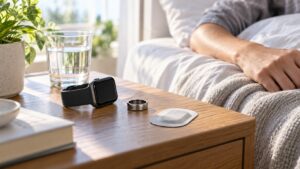
Medical wearables are redefining the future of personal health, transforming everyday accessories into powerful, life-enhancing technologies. On TechGear Streets, this sub-category explores the cutting-edge devices shaping a new era of connected wellness—where your body’s signals become real-time insights and proactive care becomes the norm. From smart patches that continuously monitor glucose levels to AI-powered biosensors that detect irregular heart rhythms before you feel them, medical wearables bridge the gap between healthcare and daily living with astonishing precision. These devices aren’t just upgrades—they’re lifelines that empower users to track conditions, prevent emergencies, and understand their own physiology like never before. Whether you’re interested in early-warning systems, remote patient monitoring, rehabilitation tools, or hospital-grade analytics shrunk into sleek, comfortable designs, this category uncovers the innovations changing how we care for ourselves and others. Step into a world where health data moves with you, medical decisions become smarter, and technology works quietly but brilliantly in the background to keep you thriving.
A: FDA-cleared devices offer the highest clinical reliability.
A: No—wearables support monitoring but do not replace medical evaluation.
A: Yes, encrypted storage and HIPAA-compliant systems protect data.
A: Most use gentle medical adhesives for easy, comfortable removal.
A: They can flag abnormalities, but emergencies require clinical testing.
A: Anywhere from 24 hours to 14 days depending on sensor load.
A: Yes, when designed specifically for pediatric use.
A: Many are water-resistant; check the IP rating.
A: Most cloud platforms allow seamless migration.
A: Yes, but some features rely on regional app support.

Medical Wearables: The Future of Continuous Health Monitoring
Medical wearables are moving health tracking from occasional snapshots to continuous context, but the most useful devices still need accurate sensors, clear limits, privacy protection, and clinician-ready data.
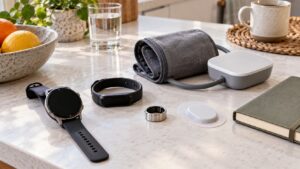
Best Medical Wearables for Tracking Your Health in 2026
The best medical wearables for 2026 depend on what you need to track, how you will use the data, and whether the device’s claims match its evidence.

How Medical Wearables Are Transforming Preventive Healthcare
Medical wearables are reshaping preventive healthcare by turning daily signals into earlier conversations, better baselines, and more practical follow-up between visits.
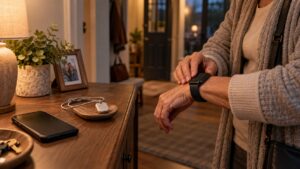
Smart Health Wearables That Could Save Your Life
Smart health wearables can support safety through fall detection, emergency calling, medical ID, glucose alerts, rhythm notifications, and caregiver workflows when they are set up with realistic action plans.
