Biometric Sensors Turn Wearables Into Daily Health Companions
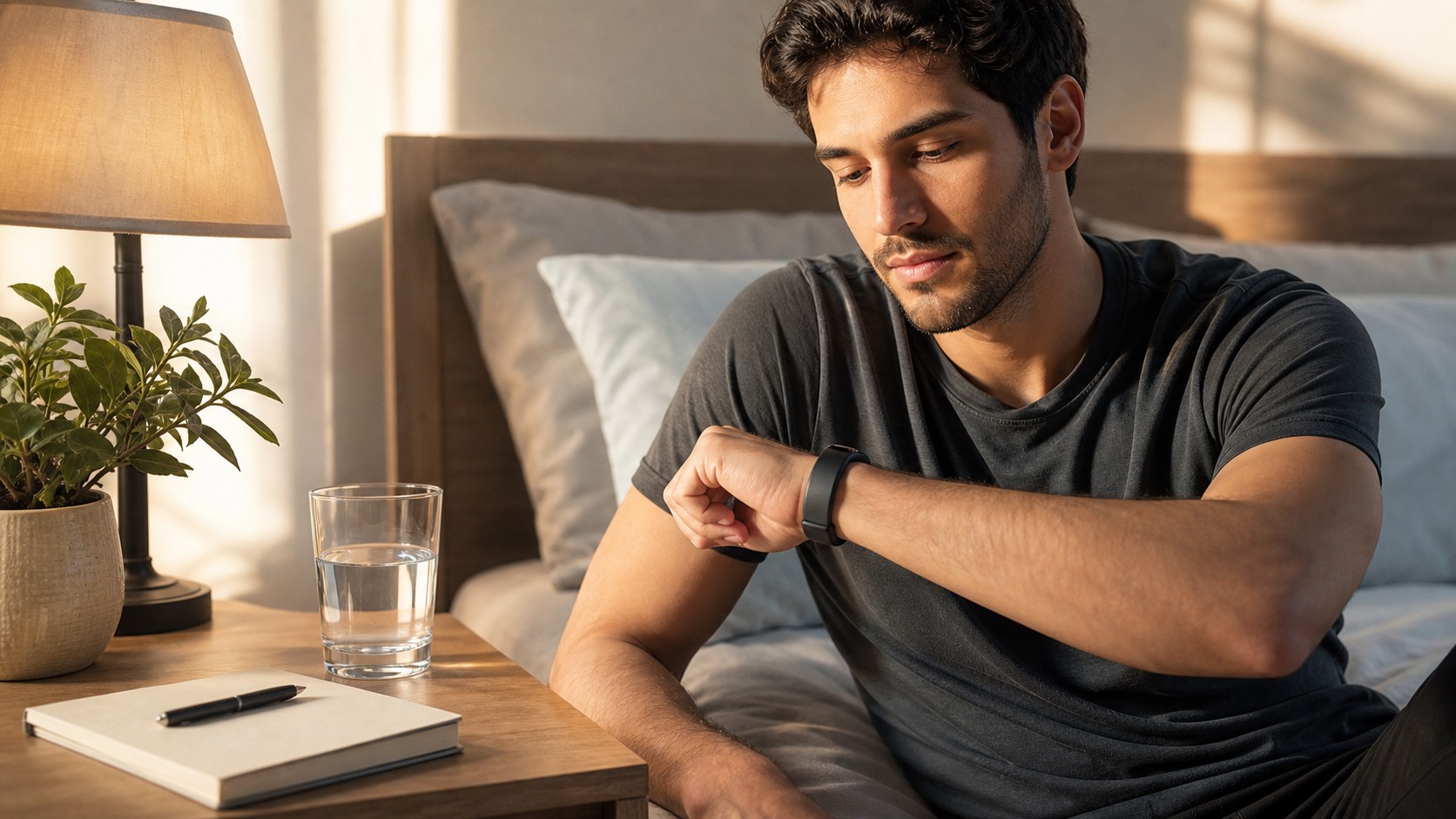
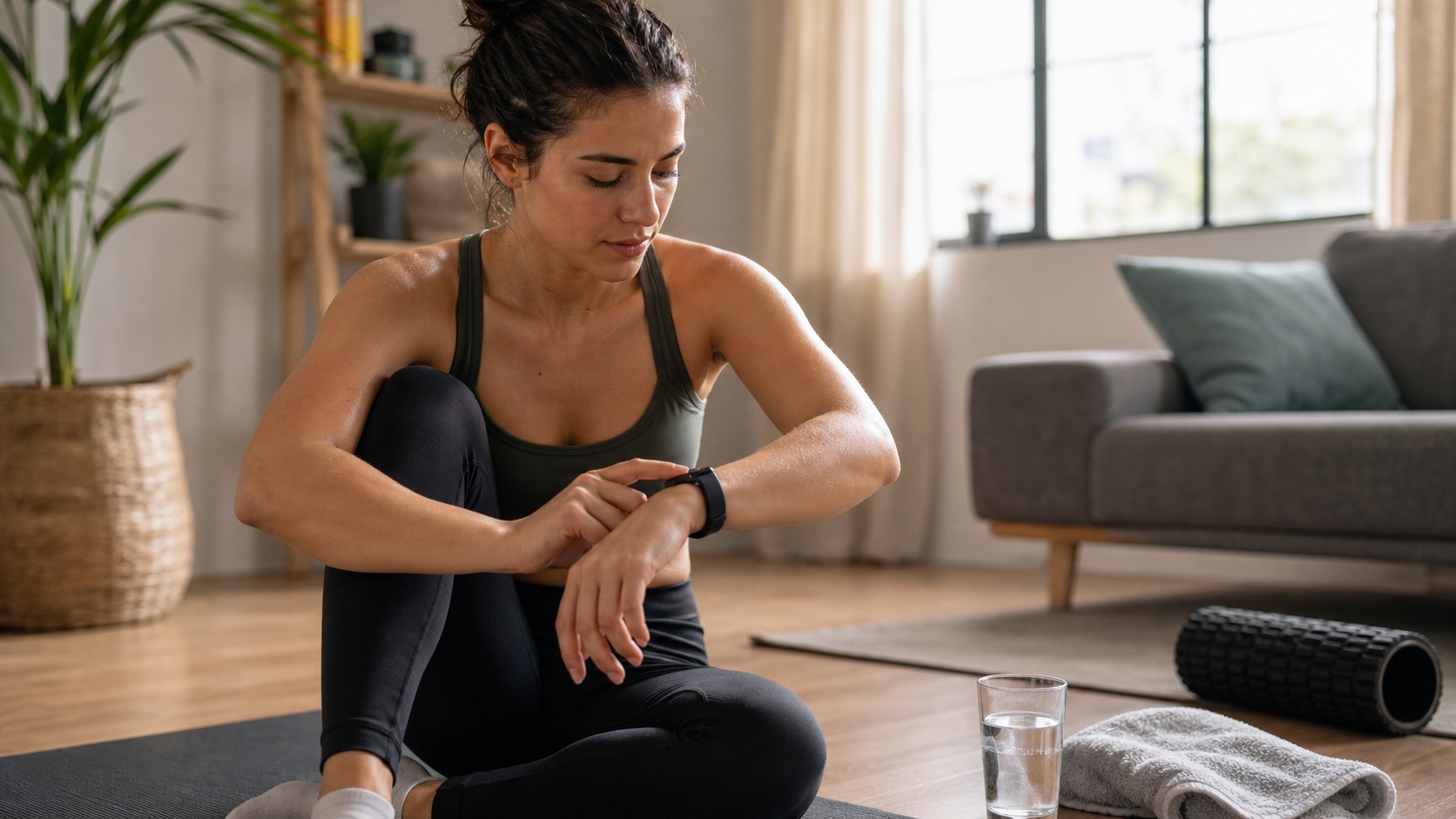
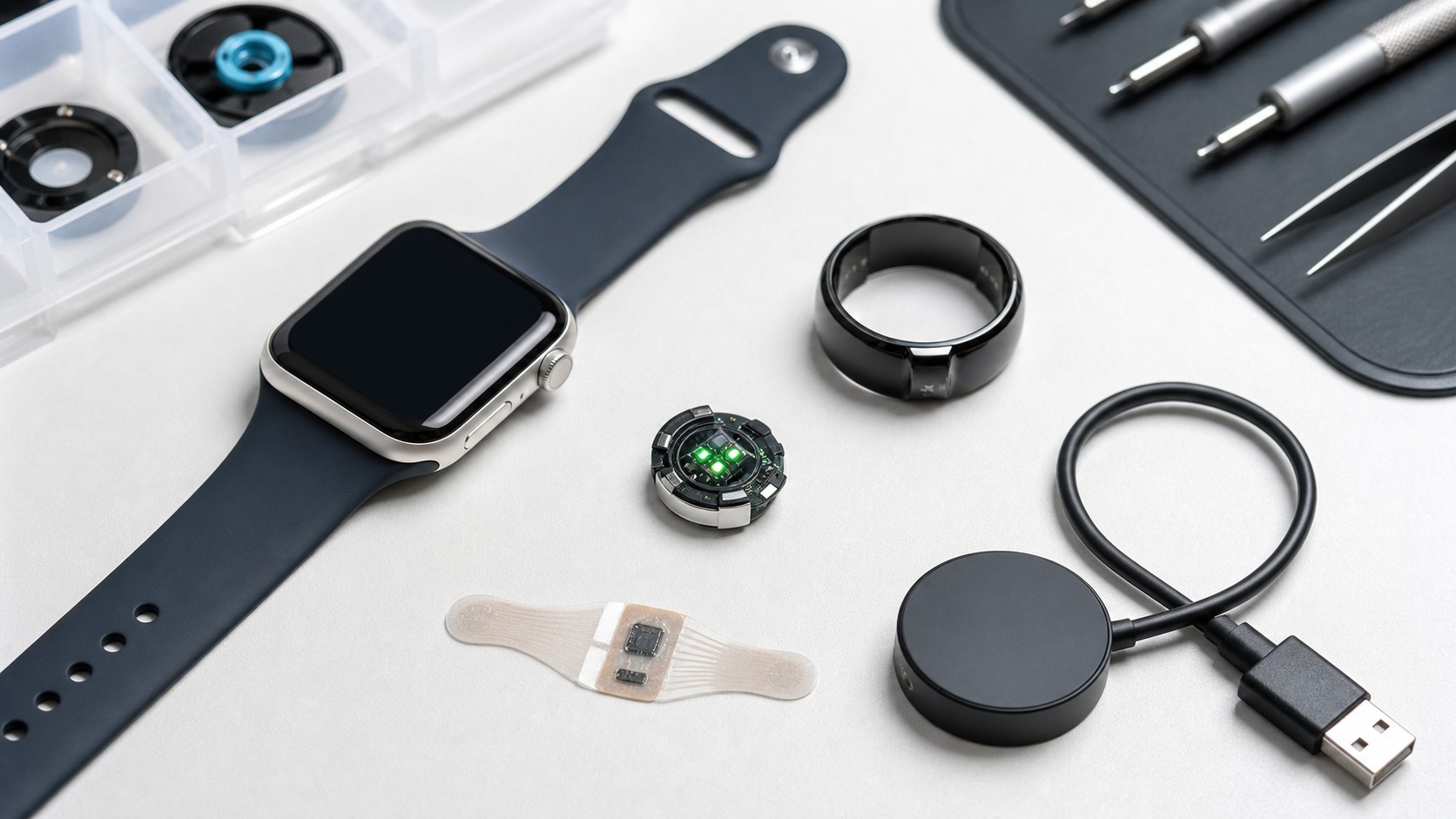
The best biometric sensors for wearable technology are the ones that convert ordinary daily moments into clear, useful health signals without asking the wearer to behave like a lab subject. A modern smartwatch, ring, patch, chest strap, or fitness band may look simple from the outside, yet its value comes from a carefully chosen sensor stack: optical heart-rate hardware for pulse trends, ECG electrodes for electrical rhythm checks, red and infrared optics for blood oxygen estimates, thermistors for temperature shifts, accelerometers for movement context, and sometimes pressure, bioimpedance, or sweat-sensing elements for deeper insight. The goal is not to collect every possible number. The goal is to match each sensor to a health-monitoring job it can perform reliably enough to guide habits, prompt a timely check-in, or enrich a clinician conversation. For consumers, that means understanding which sensors support everyday wellness tracking, which ones are better for spot checks, and which combinations make the data more trustworthy. For product teams, it means balancing battery life, comfort, placement, signal quality, privacy, and regulatory expectations. A good wearable health experience starts with choosing sensors that answer real questions: how hard the heart is working, how well the body recovers, whether sleep is restorative, how activity affects stress, whether oxygen saturation appears stable, and whether unusual patterns deserve attention.
A: A reliable PPG heart-rate sensor is usually the foundation because it supports pulse, resting heart rate, workout intensity, HRV trends, and sleep recovery signals.
A: ECG is better for short electrical rhythm checks, while optical tracking is better for continuous daily monitoring. Many strong wearables use both.
A: Consumer SpO2 readings can show oxygen trends, but they do not replace a medical sleep study or clinician diagnosis.
A: The finger can provide strong pulse signals overnight, and rings are often comfortable enough for consistent sleep wear.
A: No. Wearables usually measure skin temperature changes against a personal baseline, not a clinical core temperature.
A: Accelerometers and gyroscopes provide the motion data, while heart-rate and location context can make the alert workflow more useful.
A: Some devices estimate blood pressure, but cuffless methods remain highly dependent on calibration, validation, and correct use.
A: Stress features are strongest when they combine HRV, heart rate, motion, sleep, and sometimes galvanic skin response rather than relying on one signal.
A: Dark ink, dense patterns, and poor skin contact can interfere with optical readings, depending on placement and device design.
A: Start with the health use case, then choose the sensor placement, validation plan, battery budget, and privacy model that support it.
How to Choose Biometric Sensors for Health Monitoring
The strongest wearable health products are not defined by the longest spec sheet. They are defined by whether each sensor earns its place. A runner, an older adult, a person managing sleep quality, and a remote-care patient all need different combinations of comfort, precision, alerting, and battery life. The right choice starts with the health signal you want to monitor and the environment where the wearable will be used.
Sensor usefulness also depends on body location. A chest strap can capture excellent cardiac electrical data during exercise, but it is not ideal for all-day wear. A wrist device is convenient and socially accepted, but it fights movement, loose fit, cold skin, and changing contact pressure. A ring may excel at overnight pulse trends, yet it has less display space and fewer controls. A patch can support longer monitoring periods, but adhesive comfort and replacement cost matter.
Optical PPG Sensors for Heart Rate and Recovery
Photoplethysmography, usually shortened to PPG, is the core sensor family behind most wrist, ring, and band heart-rate features. For a health-monitoring guide, the useful point is not the physics of light absorption. The useful point is what a good optical sensor enables: resting heart-rate trends, exercise intensity, heart-rate variability, sleep-stage estimates, recovery scoring, respiratory-rate estimates, and abnormal pulse prompts.
PPG is especially valuable because it can run repeatedly throughout the day. That makes it better for trend-building than sensors that require a deliberate measurement. A single heart-rate reading is easy to misread, but weeks of resting-heart-rate and HRV patterns can show how sleep, illness, training load, alcohol, stress, travel, or heat affect the body.
For wrist wearables, look for multi-LED, multi-photodiode modules with motion compensation and transparent data handling. The device should not pretend every reading is equally reliable. It should manage failed readings gracefully, show trends clearly, and avoid overconfident alerts when the signal quality is poor.
ECG Sensors for Rhythm Checks
Electrocardiogram sensors add a different kind of heart information. Instead of estimating pulse from blood-volume changes, ECG electrodes capture electrical activity across a short recording window. In consumer wearables, that usually means the wearer touches a crown, bezel, case edge, or electrode pad to complete the circuit.
ECG is most useful when a person wants a quick rhythm strip during symptoms or when a device offers regulated atrial fibrillation detection features. It is not a replacement for clinical evaluation, and it usually does not run continuously on mainstream watches because it needs a deliberate body contact position. Its value is strongest as a spot-check layer beside continuous optical heart-rate tracking.
Blood Oxygen Sensors for Rest, Sleep, and Altitude
SpO2 sensors estimate oxygen saturation using red and infrared optical channels. In wearables, they are most useful for resting checks, overnight trend views, and altitude context. A stable overnight oxygen pattern can be reassuring, while repeated dips may be worth discussing with a healthcare professional, especially when paired with snoring, fatigue, or breathing concerns.
The limitations deserve plain language. A wrist-worn oxygen reading can be affected by movement, loose fit, cold hands, skin characteristics, and sensor placement. The number should be treated as a wellness trend unless the device has the appropriate medical clearance for a specific use. For everyday buyers, the best implementation is one that shows measurement quality and does not turn every imperfect night into an alarming health story.
Temperature Sensors for Baseline Shifts
Temperature sensing has become a quiet but important part of health wearables. Most devices measure skin temperature, often overnight, then compare changes against the user’s own baseline. That makes the sensor useful for spotting deviations rather than replacing a thermometer.
Temperature trends can support menstrual cycle insights, recovery scoring, illness context, travel adaptation, and heat-stress awareness. The signal becomes more meaningful when combined with resting heart rate, HRV, sleep disruption, and activity history. For example, a warm skin-temperature deviation after a hard workout may carry a different meaning than the same deviation paired with elevated resting heart rate and poor sleep.
The best temperature features are humble. They explain that skin temperature is local, contextual, and trend-oriented. They also avoid implying a diagnosis from a single overnight change.
Motion Sensors for Activity, Sleep, and Safety
Accelerometers and gyroscopes are not always marketed as biometric sensors, but health monitoring would be thin without them. They add the context that helps heart and sleep data make sense. A heart-rate spike while sprinting is normal. A heart-rate spike while motionless at 3 a.m. may deserve a different interpretation.
Motion sensors support steps, active minutes, exercise recognition, sleep timing, fall detection, gait analysis, tremor tracking, posture feedback, and rehabilitation exercises. For fitness users, they improve workout classification and form feedback. For safety-focused wearables, they help detect sudden impacts, unusual inactivity, or a possible fall.
Good motion sensing depends on sampling strategy and algorithms as much as hardware. A device must decide when to record densely, when to conserve power, and how to avoid false positives. In fall detection, that balance is essential because an alert that triggers too often may be ignored, while one that misses real events fails the core purpose.
Bioimpedance and Electrodermal Sensors
Bioimpedance sensors send a small electrical signal through tissue to estimate properties related to fluid, tissue composition, or breathing. In consumer wearables, they can contribute to body composition estimates, respiratory insights, and fluid trend experiments. Their usefulness depends heavily on consistent placement, user posture, hydration state, and validation quality.
Electrodermal activity, also called galvanic skin response, measures changes in skin conductance linked to sweat gland activity. It can enrich stress and arousal features, especially when combined with heart-rate variability and motion. It should not be framed as a direct emotion detector. The same arousal signal can appear during stress, excitement, heat, caffeine, exercise, or poor sleep.
These sensors are most helpful when the product explains patterns instead of making dramatic claims. A calmer interface that connects conductance, pulse, sleep, and context is more useful than a single stress score with no explanation.
Emerging Chemical and Pressure Sensors
Sweat chemistry sensors are one of the most interesting frontiers for wearable health monitoring. They may eventually help track hydration, electrolytes, lactate, glucose-related patterns, or medication adherence in more practical ways. Today, most chemical-sensing wearables remain early compared with heart-rate, motion, temperature, and oxygen sensors. Buyers should look for published validation, clear intended use, and realistic claims.
Pressure and textile sensors are also expanding what wearables can observe. Smart insoles can analyze gait and loading. Soft sensors in clothing can support posture, breathing, or rehabilitation feedback. These categories are especially promising for sports medicine, physical therapy, ergonomics, and elder care because they monitor movement quality rather than only counting movement quantity.
Sensor Combinations That Produce Better Insights
No single sensor tells the whole health story. The most useful wearables combine signals so the software can separate context from concern. Heart rate plus motion supports workout detection. Heart rate plus HRV plus sleep supports recovery. SpO2 plus sleep timing supports overnight breathing awareness. Temperature plus resting heart rate supports illness and recovery context. Motion plus pulse plus location can improve safety alerts.
The most reliable insights usually come from repeated agreement between sensors. If sleep is short, resting heart rate is elevated, HRV is suppressed, and skin temperature is above baseline, the pattern is more persuasive than any one metric alone. If a hard workout produces motion, pace, elevation, and pulse changes that line up logically, the training summary is easier to trust.
Sensor fusion also helps reduce noise. A wearable can ignore poor optical readings during loose contact, avoid labeling a bumpy car ride as exercise, and distinguish a hot room from a meaningful temperature trend when other signals remain stable. The result should feel calmer and more personal, with fewer false alarms and better explanations.
This is why a cheaper wearable with a thoughtful sensor mix may feel more helpful than an expensive device with scattered features. Consistency matters. A device that is comfortable enough to wear nightly and lasts long enough between charges will produce stronger trend data than one with impressive hardware that spends half the week on a charger.
Accuracy, Validation, and Medical Boundaries
Wearable health data sits on a spectrum. Some features are general wellness estimates. Some are validated against reference devices. Some have regulatory clearance for specific medical functions. The distinction should be visible in the product language. A step count, sleep score, oxygen trend, ECG classification, and fall alert do not carry the same level of evidence or responsibility.
For personal use, the safest approach is to watch patterns, not panic over isolated numbers. Look for repeatable changes, symptom alignment, and whether the metric is consistent across similar conditions. For clinical or caregiving use, choose devices that support data export, clinician review, and clear documentation of intended use.
Privacy also belongs in the buying decision. Biometric data can reveal sleep routines, stress patterns, reproductive signals, location-linked activity, and potential health concerns. Strong wearables offer transparent permissions, encryption, deletion controls, and sensible defaults for sharing.
The Best Sensor Stack for Most People
For general health monitoring, the most practical stack includes reliable PPG heart-rate tracking, HRV support, motion sensors, sleep tracking, skin temperature trends, and optional SpO2. Add ECG if rhythm checks are important. Add a chest strap if training precision matters. Add fall detection and emergency workflows for safety-focused use. Add bioimpedance, electrodermal activity, or chemical sensing only when those features are well explained and relevant to the wearer.
The best biometric sensors do not turn a wearable into a doctor on the wrist. They make the body easier to observe between appointments, workouts, travel days, poor nights of sleep, and ordinary routines. When the sensor mix is comfortable, validated for its purpose, and paired with honest software, wearable health monitoring becomes less about chasing numbers and more about recognizing useful patterns early.