Why the Smartwatch Is Becoming Your Everyday Gear Hub
The smartwatch started as a convenient screen for checking notifications, but it has quietly grown into one of the most useful pieces of everyday technology people can wear. For many buyers, the real appeal is no longer counting steps or seeing who texted. It is the possibility of carrying less. A capable smartwatch can cover parts of your phone, wallet, fitness tracker, music player, emergency tool, remote control, and travel assistant, all from something already sitting on your wrist. It will not replace every device for every person, and nobody should expect a tiny screen to handle long emails, serious photography, or full work sessions. Still, the best modern watches are now good enough at quick, frequent tasks that they can remove a surprising amount of friction from daily life. If you are deciding whether you still need a separate fitness band, card wallet, car key, running phone pouch, bedside alarm, or dedicated GPS helper, your next smartwatch may be the gadget that makes several of those feel optional.
A: Not completely. It can handle quick tasks, but your phone still wins for typing, photos, apps, and long sessions.
A: Cellular is useful if you want to leave your phone behind during runs, walks, errands, or short trips.
A: Often, but not everywhere. You may still need physical ID, transit cards, cash, or backup payment.
A: It is usually more versatile, while a simple fitness tracker may be cheaper and last longer per charge.
A: No. Health features can provide helpful trends and alerts, but they are not a substitute for professional medical care.
A: Compatibility varies by brand. Check phone support before choosing a model.
A: It can be, but heavy GPS, cellular, and always-on display use can drain it faster.
A: It can help with calls, location sharing, and safety alerts, depending on the model and setup.
A: Fewer interruptions from pulling out your phone for tiny tasks.
A: Features you will rarely use, such as advanced sports metrics, premium case materials, or cellular service you do not need.
The Phone Becomes Less Central
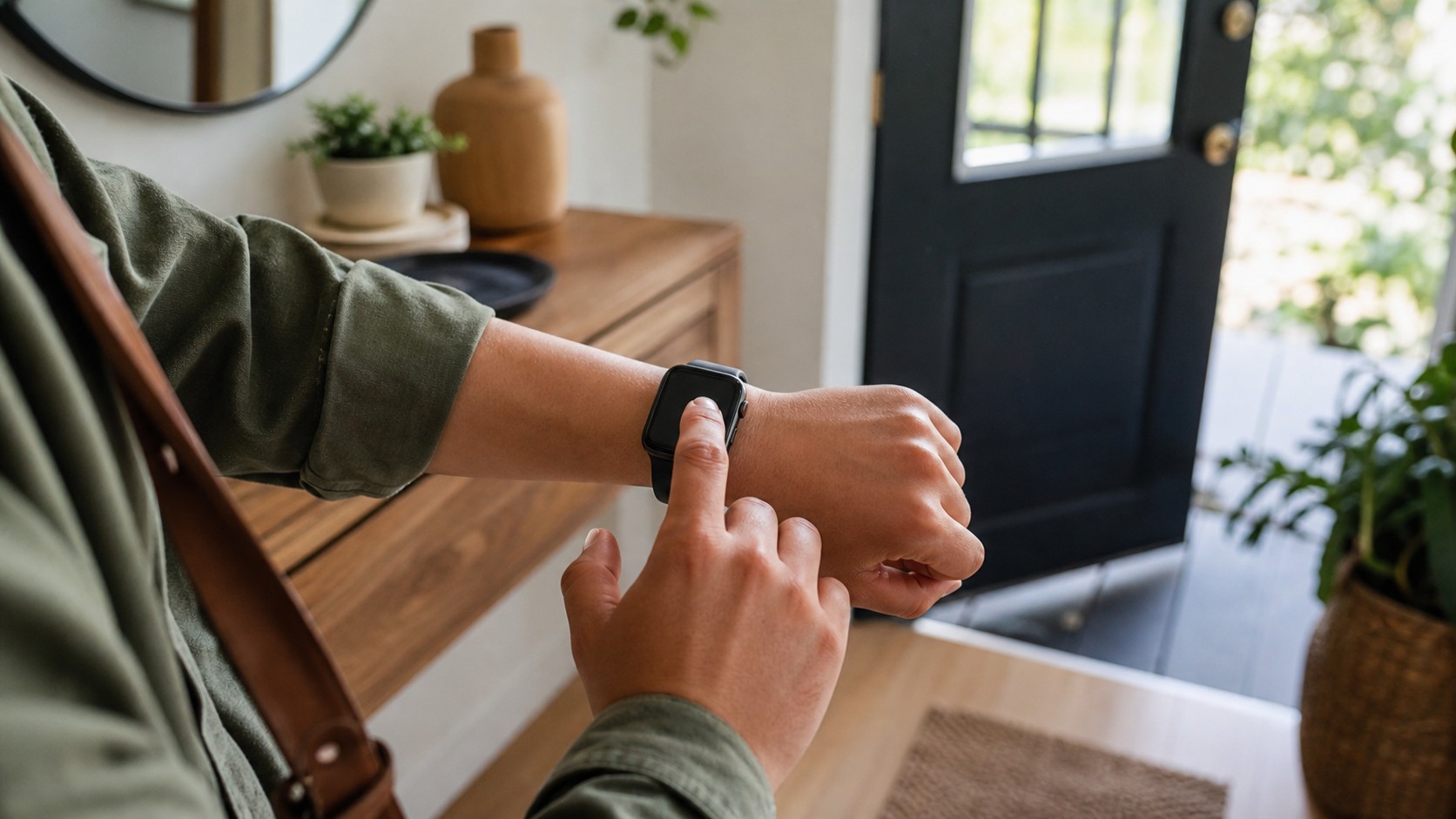
The biggest change a smartwatch makes is not that it replaces your phone. It changes how often your phone has to come out. Many daily phone checks are tiny interruptions: seeing who called, skipping a song, checking a timer, scanning a payment, reading a short message, or confirming the next turn on a route. A watch handles those moments faster, and because it sits on your wrist, it does not invite the same rabbit hole of apps, feeds, and tabs.
That difference is especially noticeable during errands, workouts, commuting, and travel. When your hands are full, your phone is zipped inside a bag, or you are trying to stay present, wrist-level access is more than a novelty. A quick glance can tell you whether something needs attention or can wait. That makes the watch feel less like another screen and more like a filter between you and the phone.
Your Wallet Gets Thinner
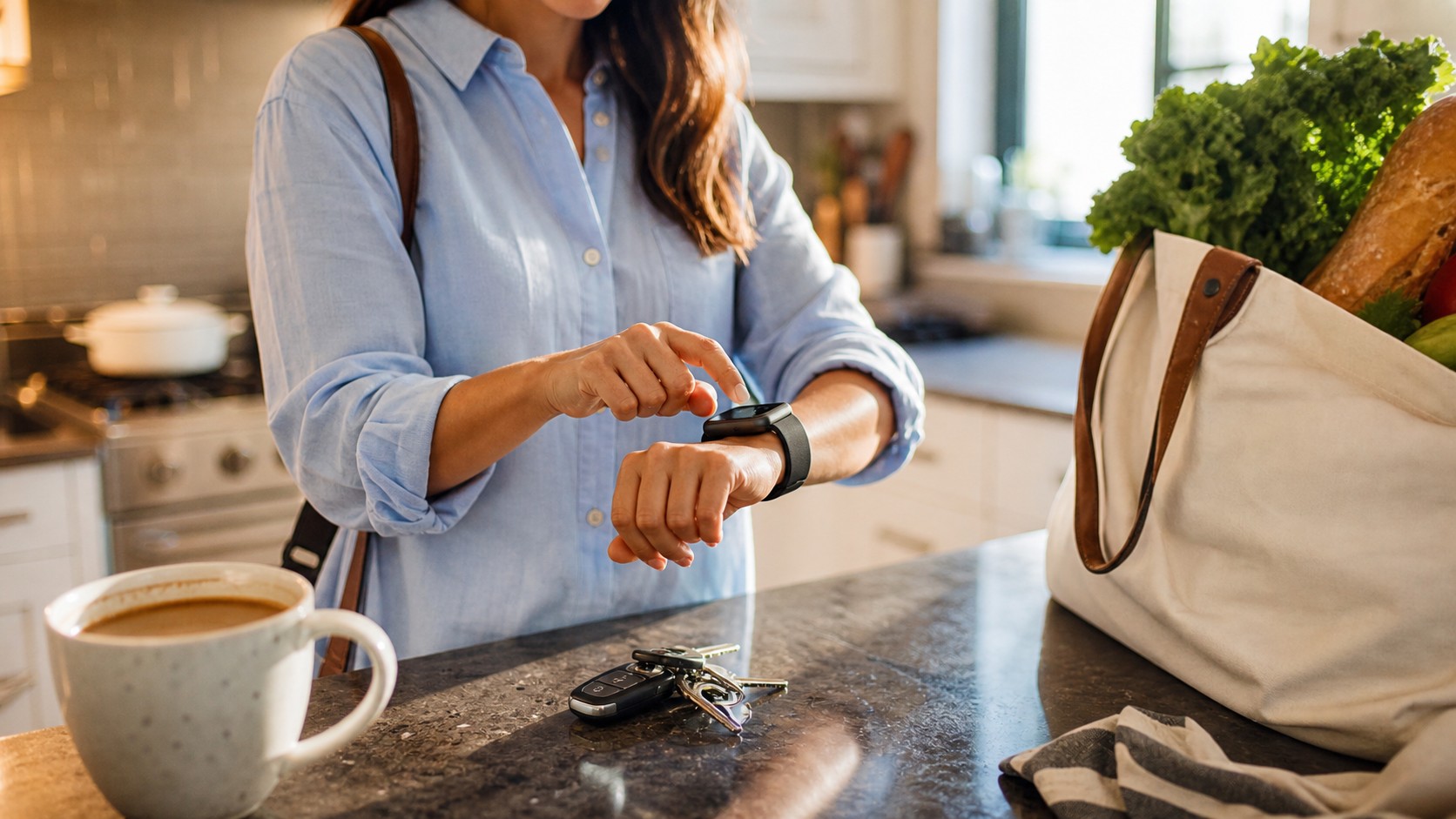
Contactless payments are one of the clearest ways a smartwatch can replace a separate item. Once your card is set up, paying from the wrist can be faster than pulling out a phone or wallet. It is especially handy at coffee shops, grocery stores, gyms, vending machines, parking meters, and transit systems that support tap-to-pay.
The wallet replacement is not total. You may still need a driver’s license, insurance card, workplace badge, hotel key, transit card, or cash. Still, many people can shrink what they carry. A slim card holder plus a smartwatch can cover most routine trips, which is a meaningful upgrade if you are trying to leave the house with fewer pockets stuffed full.
Digital passes add to the effect. Boarding passes, event tickets, loyalty cards, and some transit credentials can live on the watch, depending on the platform and local support. The convenience is strongest when the watch is used as the first option and the phone becomes the backup.
Fitness Tracking No Longer Needs A Separate Band
A dedicated fitness tracker used to make sense for anyone who wanted steps, calories, workouts, and sleep data without buying a full smartwatch. That gap has narrowed. Modern smartwatches track runs, walks, cycling, swimming, strength sessions, heart rate zones, sleep duration, recovery trends, and more. For mainstream users, that covers the reason they bought a fitness band in the first place.
The advantage is context. A smartwatch can connect fitness data with calendar habits, reminders, weather, music, maps, and calls. If you go for a walk at lunch, you can track the workout, hear a podcast, follow directions, pay for a drink, and answer a quick call without carrying extra gear. That is the kind of everyday bundle that makes a watch feel practical rather than flashy.
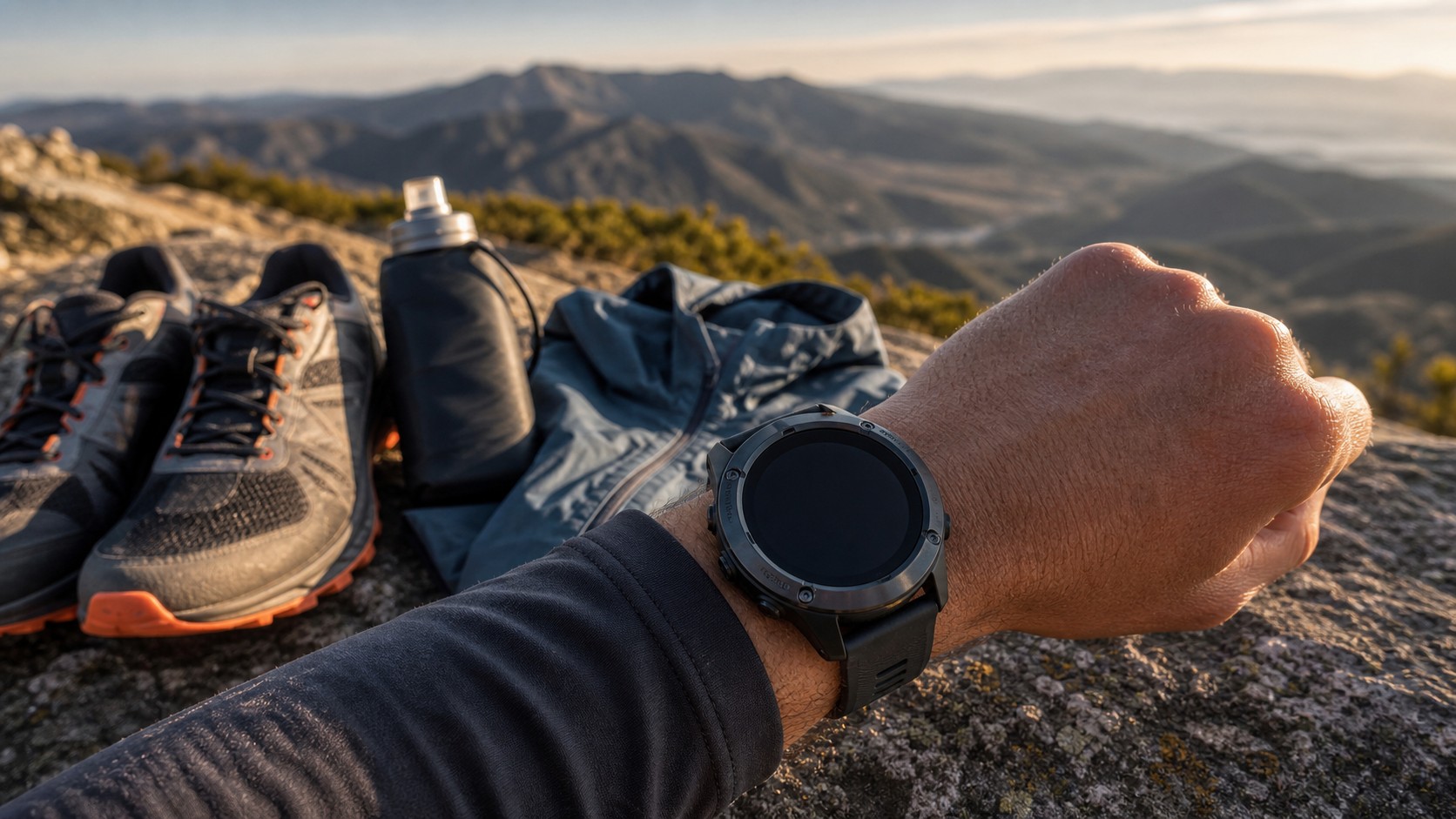
There are still reasons to choose a simpler band. Fitness trackers often cost less, feel lighter, and last longer between charges. Serious endurance athletes may prefer sports watches with deeper training tools and multi-day GPS performance. But for the average person who wants health trends and daily convenience, a mainstream smartwatch can make the separate tracker redundant.
Music, Navigation, Safety, And Home Controls
A smartwatch is a natural remote for audio. When you are walking, cooking, riding transit, lifting weights, or cleaning, wrist controls are often easier than reaching for a phone. Play, pause, skip, volume, and playlist access may sound small, but they are the exact controls people use constantly.
Directions are another area where the wrist makes sense. Instead of walking through a city with your phone out, a watch can give turn alerts, distance cues, and quick map checks. On supported devices, vibrations can tell you when a turn is coming, which keeps your attention on your surroundings instead of on a glowing rectangle.
Safety tools are easy to overlook until they are needed. Many smartwatches now include emergency calling shortcuts, location sharing, fall detection, crash detection, loud alerts, medical ID access, and workout check-ins. A phone in a backpack is not always reachable. A watch on your wrist is.
Smart home control is another quiet replacement category. Lights, thermostats, locks, garage doors, plugs, cameras, and scenes can often be controlled from a smartwatch. For simple actions, the watch may be more convenient than opening a phone app or speaking to a smart speaker.
Travel Is Where The Replacement Effect Shows
Travel exposes every gadget you carry. There is the phone, wallet, charger, boarding pass, headphones, power bank, room key, fitness tracker, alarm clock, and sometimes a separate translation or navigation tool. A smartwatch does not erase all of that, but it can reduce how often you dig through bags and pockets.
At an airport, the watch can show the time, boarding pass, gate alerts, weather, timers, payments, messages, and walking directions. At a hotel, it can act as a silent alarm, flashlight, workout tracker, and quick notification screen. During sightseeing, it can help with maps, payments, translation shortcuts, photo remote controls, and location sharing.
The watch is also useful because it stays attached to you. Phones get left on cafe tables. Wallets slip into bags. Paper passes disappear at the worst time. A watch is harder to misplace during the normal chaos of travel, which makes it a reliable place for small essentials.
Battery Life And Compatibility Decide The Real Value
The more your smartwatch replaces, the more its battery matters. GPS, cellular, bright displays, health sensors, music streaming, and sleep tracking all compete for power. A watch that feels effortless at home may need more planning on a long travel day or during a marathon training session.
Smartwatches are tied closely to phone ecosystems. Before comparing sensors, materials, or app stores, check compatibility with your current phone. Payments, messaging, voice assistants, health metrics, family setup, and cellular activation can all depend on the phone, carrier, country, and app support. That means two watches with similar hardware can feel very different in daily use.
Your next smartwatch could replace half your gadgets if those gadgets are mostly about quick access: tracking, paying, navigating, controlling, alerting, and checking. It will not replace your phone, camera, laptop, or every piece of physical identification. It can, however, make them less central and help you move through the day with fewer things in your hands and pockets.
What You Can Realistically Leave Behind
For many people, the smartwatch can replace the fitness tracker immediately. It can also replace the bedside alarm, simple stopwatch, basic music remote, payment card for most errands, and paper ticket in many situations. With cellular service, it can sometimes replace carrying a phone for short runs, dog walks, gym sessions, or quick store trips. Those are not imaginary use cases. They are the small, repeated moments where a wrist device is simply closer than anything in your pocket.
What it replaces best are tools used for quick access. It is less successful at replacing devices used for deep attention, creative work, complex input, or long battery endurance. That distinction is the key to buying wisely. A smartwatch is not a tiny phone you strap to your arm. It is a fast-access layer for the parts of your digital life that benefit from being immediate.
If your goal is to carry less, start by listing what you actually bring with you each day. Phone, wallet, keys, earbuds, fitness band, charger, work badge, transit pass, and emergency items all have different replacement potential. A smartwatch can take over more of that list than many people expect, but the right answer depends on your habits, your city, your bank, your phone, and your comfort with digital backups.
The Bottom Line
For mainstream tech consumers, the real promise is not novelty. The smartwatch is not just another gadget to buy. Chosen well, it is the gadget that makes several others feel less necessary. It lets you pay, check, navigate, track, control, and respond without turning every small task into a phone session. That is why the next generation of smartwatches will keep moving beyond notifications. They are becoming practical hubs for the little moments that make up the day.
Choose The Model Around Your Real Carry Habits
The best replacement watch for one person can be overkill for another. A commuter who uses transit payments every day may care most about wallet support and battery confidence. A runner may prioritize cellular, GPS accuracy, music storage, and emergency features. A frequent traveler may want bright outdoor visibility, easy pass access, reliable alarms, and fast charging. Someone who mostly wants fewer phone checks may be happier with a simpler model than with the most expensive case material.
Think about the items that annoy you most. If your wallet is already thin, payments may not be the deciding feature. If you carry a phone everywhere and never run without it, cellular may be unnecessary. If you own smart home gear, wrist scenes may become a daily convenience. The point is not to replace gadgets in theory. It is to replace the pieces of gear that slow down your actual day.
A smartwatch earns its place when it makes your everyday kit lighter without making you feel unprepared. That balance is personal, but it is easier to find when you compare watches by tasks rather than by spec sheets alone.
Think In Terms Of Substitution, Not Total Replacement
The smartest way to evaluate a smartwatch is to ask which tasks it can substitute in the moment. It does not have to replace a phone forever to replace pulling out a phone in a checkout line. It does not have to replace a sports computer forever to replace a separate tracker for weekday walks. It does not have to replace a wallet forever to replace the card you use for coffee, transit, and groceries.
That mindset keeps expectations realistic. A watch is best at reducing small dependencies. When enough of those small substitutions stack together, your everyday carry gets simpler without becoming fragile. You still keep backups when they matter, but you stop reaching for them every time.
The result is simple: fewer pockets full of gear.