Why OSHA Compliance Matters More Than You Think
In the world of tools and equipment—whether in a professional workshop, a construction site, or even a well-equipped home garage—safety is not a passive concern. It is an engineered outcome. The Occupational Safety and Health Administration (OSHA) exists to ensure that this outcome is not left to chance. Established in 1970, OSHA sets and enforces standards designed to prevent workplace injuries, illnesses, and fatalities. While often associated with large-scale industrial environments, OSHA regulations extend deeply into the everyday use of tools and equipment, shaping how they are designed, maintained, and operated. Understanding OSHA rules is not just about avoiding fines or passing inspections. It is about building a culture of operational discipline where risk is minimized and performance is optimized. Tools are extensions of human capability, but without proper safeguards, they can just as easily become sources of harm. OSHA bridges that gap by defining clear expectations for safe usage, maintenance, and accountability.
A: Not legally, but following them improves safety significantly.
A: Missing guards and improper PPE use.
A: They reduce cord hazards but still require proper handling.
A: Before every use and periodically documented.
A: A procedure to ensure machines are fully powered down during service.
A: Yes—OSHA requires proper instruction for safe use.
A: Eye protection, gloves, and hearing protection.
A: Inspectors review equipment, procedures, and safety records.
A: Only if restored to safe condition; otherwise, they must be discarded.
A: They prevent electrical shock by cutting power instantly during faults.
The Scope of OSHA Regulations for Tools and Equipment
OSHA’s regulatory framework covers a wide range of equipment categories, including hand tools, power tools, electrical systems, pneumatic devices, and heavy machinery. The most relevant standards are found in Title 29 of the Code of Federal Regulations (CFR), particularly Part 1910 for general industry and Part 1926 for construction. These sections provide detailed guidance on everything from tool condition and guarding requirements to operator training and hazard communication.
For everyday users, the key takeaway is that OSHA does not differentiate between “simple” and “complex” tools when it comes to safety. A basic hammer can cause serious injury if misused, just as a high-powered drill can. The regulations emphasize proper design, inspection, and usage across all tool types, ensuring that safety is embedded at every level of interaction.
General Safety Principles That Apply to All Tools
At the core of OSHA’s approach are several universal safety principles. Tools must be maintained in a safe condition, used only for their intended purpose, and inspected regularly for defects. Employees—or users in general—must be trained to recognize hazards and understand proper operating procedures.
One of the most fundamental rules is that defective tools must be removed from service immediately. This includes tools with cracked handles, frayed cords, loose components, or any sign of structural compromise. OSHA places strong emphasis on preventive maintenance, recognizing that most tool-related accidents stem from neglect rather than sudden failure.
Another critical principle is ergonomics. OSHA encourages the use of tools that reduce strain and fatigue, as repetitive stress injuries are a significant concern in both industrial and everyday settings. Proper grip design, weight distribution, and vibration control all contribute to safer and more efficient tool use.
Hand Tools: Simplicity Does Not Equal Safety
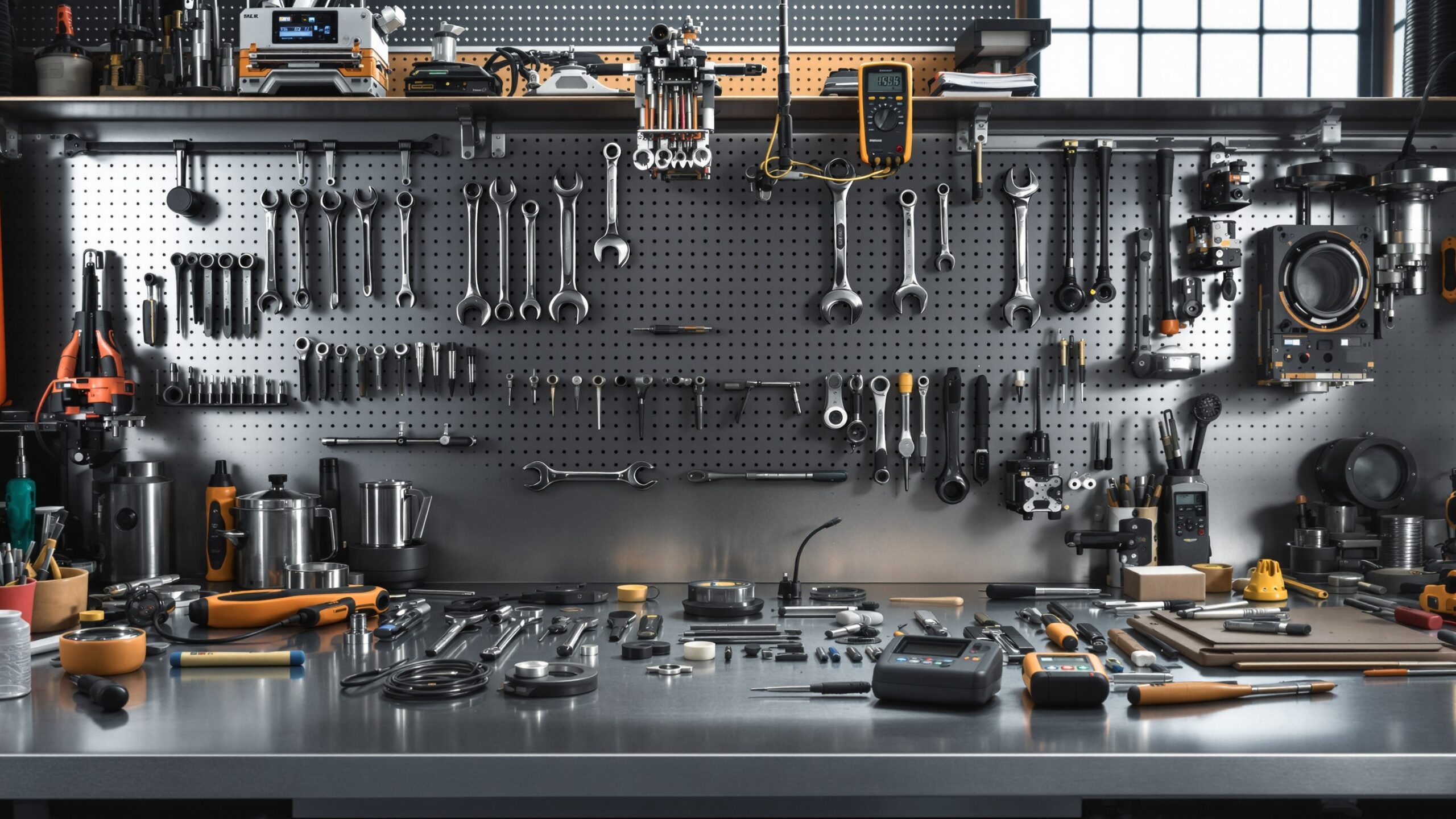
Hand tools are often perceived as low-risk due to their simplicity, but OSHA standards reveal a different reality. Tools such as hammers, screwdrivers, wrenches, and pliers must be constructed from durable materials and kept free of defects. Handles should be securely attached, and striking tools must not have mushroomed heads, which can fragment and cause injury.
Cutting tools, including knives and chisels, must be kept sharp. A dull blade requires more force, increasing the likelihood of slips and accidents. OSHA also mandates the use of appropriate personal protective equipment (PPE), such as gloves and eye protection, when using hand tools that pose cutting or impact hazards.
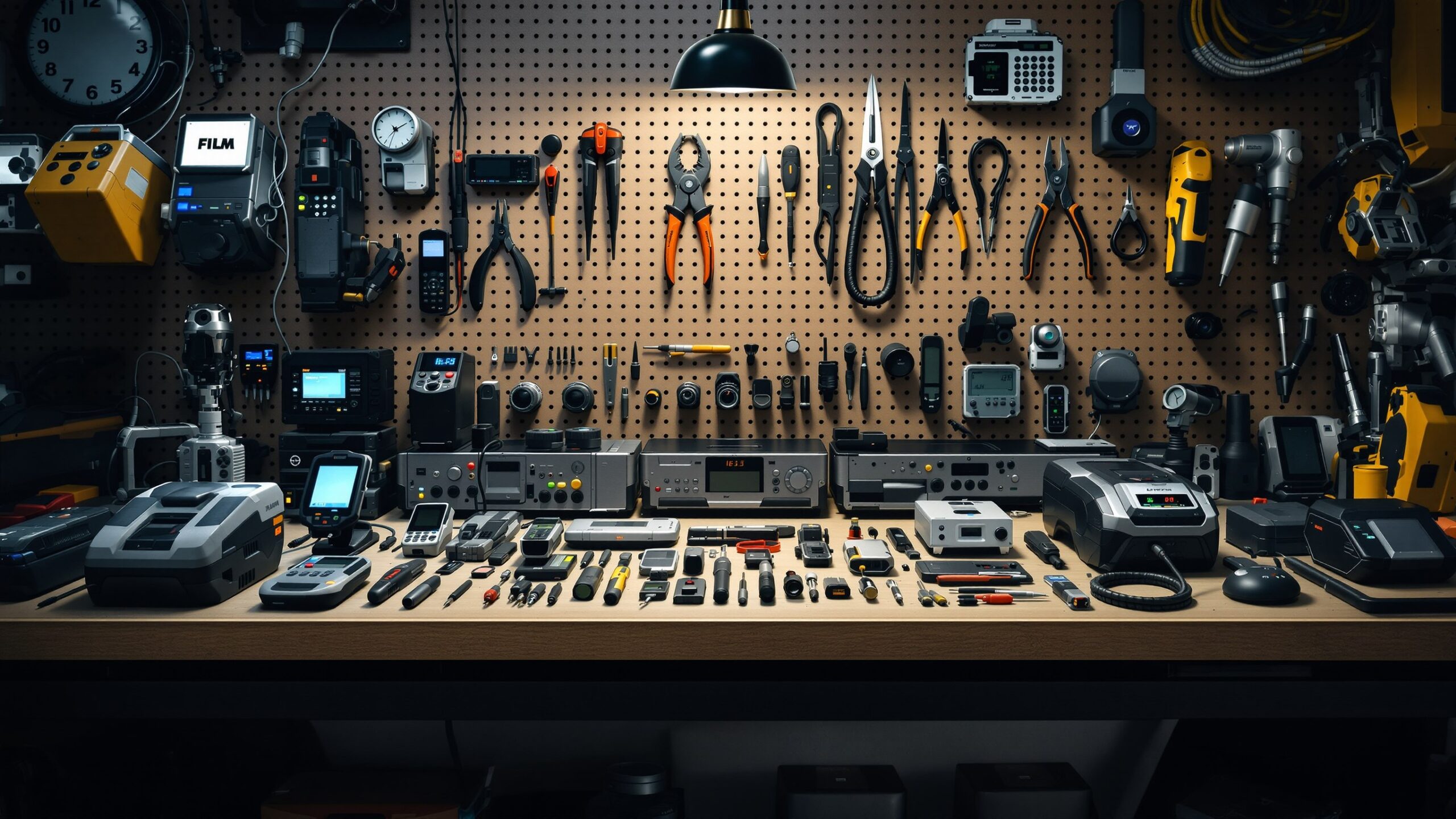
Storage is another often-overlooked aspect. Tools should be stored in a manner that prevents damage and reduces the risk of accidental contact. Proper organization not only extends tool life but also enhances workplace efficiency and safety.
Power Tools: Managing Speed, Force, and Energy
Power tools introduce a new layer of complexity due to their reliance on electrical, pneumatic, or hydraulic energy. OSHA regulations for power tools focus heavily on guarding, grounding, and control mechanisms. Moving parts must be shielded to prevent accidental contact, and tools must be equipped with safety switches that prevent unintentional activation.
Electrical safety is a major component of OSHA compliance. Tools must be properly grounded or double-insulated, and cords must be free of damage. Ground Fault Circuit Interrupters (GFCIs) are required in many environments to protect against electrical shock. These devices detect imbalances in electrical current and shut off power within milliseconds, significantly reducing the risk of injury.
Another key requirement is the use of the right tool for the job. Overloading a tool or using it outside its intended capacity can lead to overheating, mechanical failure, and serious accidents. OSHA emphasizes adherence to manufacturer specifications as a baseline for safe operation.
Pneumatic and Hydraulic Tools: Controlling Pressure Hazards
Tools powered by compressed air or hydraulic systems present unique risks related to pressure and force. OSHA standards require that hoses and connections be secure and free from leaks. A sudden release of pressure can cause hoses to whip violently, posing a significant hazard.
Pressure regulators and safety valves must be used to maintain safe operating levels. OSHA also mandates that compressed air used for cleaning purposes be reduced to safe pressure levels and used with appropriate guarding to prevent debris from becoming airborne projectiles.
Operators must be trained to understand the behavior of pressurized systems, including the potential for stored energy to be released unexpectedly. This knowledge is critical for preventing accidents during both operation and maintenance.
Machine Guarding: The First Line of Defense
One of OSHA’s most emphasized areas is machine guarding. Any tool or piece of equipment with moving parts must have appropriate guards to protect users from hazards such as rotating blades, pinch points, and flying debris. Guards must be securely attached and not easily removable.
There are several types of guards, including fixed guards, interlocked guards, and adjustable guards. Each serves a specific purpose depending on the nature of the equipment. The goal is to create a barrier between the user and the hazard without interfering with the tool’s functionality.
Failure to implement proper machine guarding is one of the most common OSHA violations, highlighting its importance in everyday tool use. Even in non-industrial settings, the principles of guarding should be applied wherever possible.
Personal Protective Equipment: Complementing Tool Safety
While tools themselves must meet safety standards, OSHA also recognizes the role of personal protective equipment in mitigating risk. PPE is not a substitute for safe tool design, but it provides an additional layer of protection.
Eye protection is essential when using tools that generate debris, such as grinders or saws. Hearing protection may be required for high-noise equipment, and gloves can protect against cuts, abrasions, and vibrations. The selection of PPE must be based on a hazard assessment, ensuring that it is appropriate for the specific task.
Proper use and maintenance of PPE are just as important as the equipment itself. Damaged or improperly fitted PPE can create a false sense of security, undermining its effectiveness.
Inspection and Maintenance: Preventing Failures Before They Happen
Regular inspection and maintenance are cornerstones of OSHA compliance. Tools should be inspected before each use, with more comprehensive checks conducted periodically. This proactive approach helps identify potential issues before they escalate into serious problems.
Maintenance schedules should follow manufacturer recommendations, but OSHA encourages a more rigorous approach in high-use environments. Lubrication, calibration, and part replacement are all critical components of a well-maintained tool.
Documentation is also important. Keeping records of inspections and maintenance activities provides a clear audit trail and demonstrates a commitment to safety. In professional settings, this documentation can be crucial during OSHA inspections or incident investigations.
Training and Competency: The Human Factor
Even the safest tools can become dangerous in the hands of an untrained user. OSHA places significant emphasis on training and competency, requiring that users understand how to operate tools safely and recognize potential hazards.
Training should cover not only the mechanics of tool operation but also the underlying safety principles. This includes understanding warning labels, interpreting safety data sheets, and knowing how to respond to emergencies.
Competency is not a one-time achievement. As tools evolve and new technologies are introduced, ongoing training is essential to maintain a high level of safety awareness. This continuous learning approach aligns with OSHA’s broader goal of creating a proactive safety culture.
Common Violations and How to Avoid Them
Despite clear guidelines, OSHA continues to identify recurring violations related to tools and equipment. These often include failure to use proper guards, inadequate maintenance, and lack of training. Electrical hazards, such as damaged cords and improper grounding, are also frequently cited.
Avoiding these violations requires a systematic approach. Establishing standard operating procedures, conducting regular audits, and fostering a culture of accountability are all effective strategies. The goal is to integrate safety into daily routines ისე seamlessly that compliance becomes second nature.
OSHA in Everyday Environments Beyond the Workplace
While OSHA regulations are legally enforceable in workplace settings, their principles are equally valuable in everyday environments. Home workshops, DIY projects, and hobbyist activities all involve tools that can pose risks if not used properly.
Applying OSHA standards in these contexts can significantly reduce the likelihood of accidents. Simple practices such as inspecting tools before use, wearing appropriate PPE, and following manufacturer guidelines can make a substantial difference. This broader application underscores the universality of OSHA’s mission. Safety is not confined to regulated environments; it is a mindset that can and should be applied wherever tools are used.
The Future of Tool Safety and OSHA Standards
As technology advances, OSHA standards continue to evolve. Smart tools with built-in sensors, automated shut-off features, and real-time diagnostics are becoming more common. These innovations have the potential to enhance safety by providing immediate feedback and reducing the margin for human error.
However, new technologies also introduce new challenges. Cybersecurity, data integrity, and system reliability are emerging considerations in the realm of tool safety. OSHA’s role will likely expand to address these complexities, ensuring that safety keeps pace with innovation.
Building a Culture of Safety Through Awareness
Ultimately, understanding OSHA rules for tools and equipment is about more than compliance. It is about cultivating an environment where safety is prioritized, risks are managed, and performance is optimized. This requires a combination of knowledge, discipline, and continuous improvement.
Every tool, no matter how simple or complex, carries inherent risks. By adhering to OSHA standards, users can transform these tools into reliable assets rather than potential hazards. The result is not only a safer environment but also a more efficient and productive one. In a world where tools are integral to both professional and personal endeavors, OSHA’s guidelines serve as a critical framework for safe and effective use. By embracing these principles, users can ensure that their interactions with tools are not only productive but also secure, setting a standard for excellence in every task they undertake.