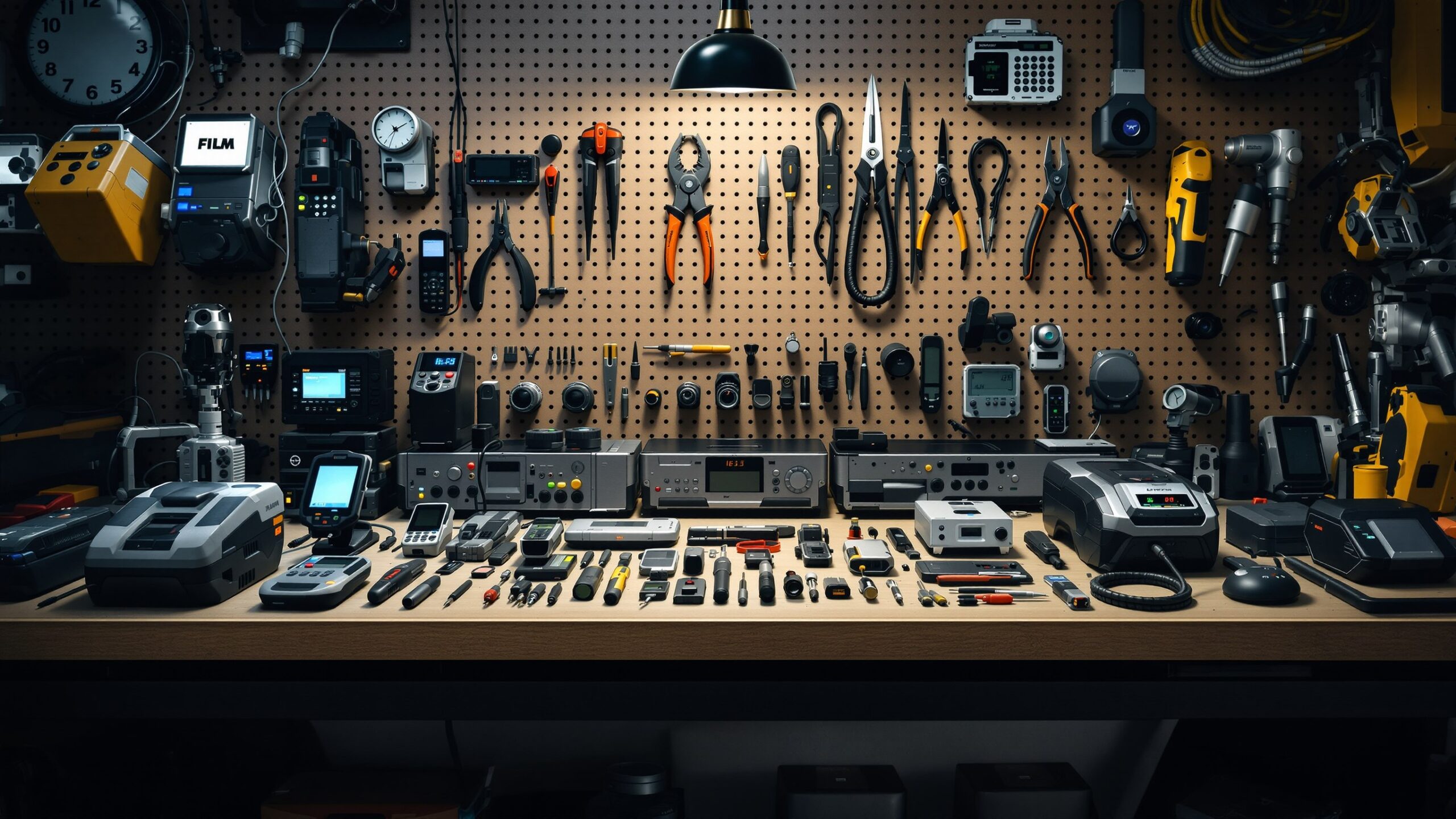
Why Gear Safety Standards Matter More Than Ever
In an era defined by rapid innovation, high-performance tools, and increasingly complex equipment, safety standards are no longer optional—they are foundational. Whether you’re operating power tools, wearing protective gear, using smart home devices, or handling industrial equipment, safety standards serve as the invisible framework that keeps users protected, products reliable, and manufacturers accountable. Gear safety standards are not simply bureaucratic checkboxes. They are the result of decades of engineering research, accident analysis, and real-world testing. Every certification label, every compliance mark, and every safety rating tells a story of risks identified and mitigated. For consumers, understanding these standards transforms purchasing decisions from guesswork into informed strategy. As product ecosystems grow more interconnected—especially with the rise of IoT-enabled devices and battery-powered systems—safety is no longer limited to physical durability. It now includes electrical integrity, data security, thermal management, and long-term reliability. This guide explores the critical safety standards every user should know, helping you navigate the landscape with clarity and confidence.
A: They help reduce risks like fire, electric shock, overheating, battery failure, and physical injury during normal use.
A: Not always, but uncertified products carry more uncertainty because their safety claims may not be independently verified.
A: Check for certification marks, voltage information, warnings, intended-use language, and manufacturer identification.
A: No, but they do show the product met specific safety test criteria under defined conditions.
A: No, high-load or heat-producing gear may require direct wall connection and the correct circuit capacity.
A: It indicates how well a product resists dust and water intrusion, which helps match gear to its environment.
A: No, unusual heat, odor, buzzing, or discoloration can signal an unsafe condition and should be checked immediately.
A: Replace it when there is cracked housing, damaged insulation, battery swelling, exposed wiring, or repeated overheating.
A: Recalls happen when products in the field are found to pose risks despite original release, so they are a critical safety follow-up system.
A: Buy certified products, use them only as intended, inspect them regularly, and stop using anything that shows damage or abnormal behavior.
Understanding the Foundations of Safety Certification
At its core, a safety standard is a documented set of technical specifications designed to ensure that a product performs safely under expected conditions. These standards are developed by independent organizations, government agencies, and industry bodies that specialize in risk assessment and engineering validation.
When a product is tested against a safety standard, it undergoes rigorous evaluation. This may include stress testing, electrical fault simulation, environmental exposure trials, and failure mode analysis. The goal is not to create a perfect product—no such thing exists—but to ensure that risks are minimized to acceptable levels and that failures, if they occur, do not result in catastrophic harm.
Certification bodies act as third-party validators. Their role is to confirm that a product meets the requirements set forth by the standard. This separation between manufacturer and certifier is crucial, as it ensures objectivity and trust. Without it, safety claims would carry far less weight.
For users, the presence of certification marks is a signal—but not a guarantee—of safety. Understanding what those marks represent, and the scope of their testing, is essential for making informed decisions.
Key Global Safety Standards and What They Mean
Across the world, several major organizations define and enforce safety standards. While the specific requirements may vary by region, the underlying principles remain consistent: protect users, prevent hazards, and ensure product reliability.
In North America, UL (Underwriters Laboratories) and CSA (Canadian Standards Association) are among the most recognized certification bodies. A UL listing, for example, indicates that a product has been tested for fire risk, electrical safety, and mechanical hazards. CSA certification serves a similar role in Canada, often aligning closely with UL standards.
In Europe, the CE marking is mandatory for many product categories. Unlike UL, which is a third-party certification, CE marking is a manufacturer’s declaration that the product complies with European Union directives. However, many CE-marked products are also tested by notified bodies to ensure compliance.
Globally, the IEC (International Electrotechnical Commission) develops standards that are often adopted or adapted by national organizations. IEC standards are particularly influential in electrical and electronic equipment, covering everything from insulation requirements to electromagnetic compatibility.
Understanding these distinctions is critical. A product labeled with multiple certifications typically indicates broader compliance and higher levels of scrutiny, which can translate to increased safety and reliability.
Electrical Safety: The Backbone of Modern Gear
Electrical safety is one of the most critical aspects of modern gear, especially as devices become more powerful and energy-dense. From cordless drills and battery packs to home appliances and wearable tech, electrical systems are at the heart of functionality—and risk.
Standards governing electrical safety focus on insulation, grounding, current limits, and fault tolerance. They are designed to prevent electric shock, reduce fire hazards, and ensure that devices can handle unexpected conditions such as power surges or component failures.
One of the most important considerations is thermal management. As devices operate, they generate heat. If that heat is not properly dissipated, it can lead to component degradation, battery failure, or even combustion. Safety standards require manufacturers to test devices under extreme conditions to ensure that temperatures remain within safe limits.
Another key area is battery safety, particularly with lithium-ion technology. Standards address issues such as overcharging, short-circuit protection, and physical impact resistance. For users, this means that certified products are less likely to fail catastrophically, even under stress.
Understanding electrical safety standards is especially important when purchasing budget or off-brand products, where compliance may be inconsistent. A lower price point should never come at the expense of safety.
Mechanical Safety and Structural Integrity
While electrical safety often takes center stage, mechanical safety is equally important. This includes the physical design, durability, and structural integrity of a product. Whether it’s a power tool, a ladder, or a piece of fitness equipment, mechanical failure can result in serious injury.
Standards in this category focus on load capacity, material strength, and resistance to wear and fatigue. Products are subjected to repeated stress cycles, impact tests, and environmental exposure to simulate real-world use. The goal is to ensure that the product performs reliably over time, not just under ideal conditions.
Guarding and protective features are also critical. For example, tools with moving parts must include safeguards to prevent accidental contact. These may include physical barriers, automatic shutoff mechanisms, or ergonomic designs that reduce the likelihood of misuse.
For users, understanding mechanical safety means looking beyond aesthetics and marketing claims. A product that feels solid, balanced, and well-constructed is more likely to meet safety standards—but verification through certification remains essential.
Personal Protective Equipment (PPE) Standards
Personal protective equipment represents the last line of defense between the user and potential hazards. From helmets and gloves to safety glasses and respirators, PPE is designed to mitigate risk when exposure cannot be eliminated.
PPE standards are highly specialized, as they must account for specific types of hazards. For example, impact resistance is critical for helmets, while filtration efficiency is paramount for respirators. Standards define the minimum performance requirements and testing methods for each category.
Organizations such as ANSI (American National Standards Institute) and NIOSH (National Institute for Occupational Safety and Health) play key roles in developing PPE standards in the United States. Their certifications provide assurance that the equipment has been tested under realistic conditions and meets established safety criteria.
Fit and usability are also important considerations. Even the most advanced PPE is ineffective if it is uncomfortable or improperly worn. Standards often include guidelines for ergonomics and user instructions to ensure that protective gear is both effective and practical.
For users, selecting the right PPE involves understanding the specific risks involved and choosing equipment that is certified for those conditions. Generic or uncertified gear may offer a false sense of security, which can be more dangerous than no protection at all.
Digital and Smart Gear Safety Standards
As gear becomes smarter, safety standards must evolve to address new types of risks. Smart devices, connected tools, and IoT-enabled equipment introduce concerns related to cybersecurity, data privacy, and system integrity.
Standards in this domain focus on secure communication protocols, data encryption, and resistance to unauthorized access. A compromised device is not just a privacy risk—it can also pose physical dangers if it controls critical functions.
For example, a smart thermostat or industrial control system that is hacked could lead to overheating or system failure. Similarly, connected power tools or machinery may be vulnerable to remote manipulation if not properly secured.
Organizations such as ISO (International Organization for Standardization) and NIST (National Institute of Standards and Technology) provide frameworks for cybersecurity in connected devices. These standards are becoming increasingly important as the line between physical and digital systems continues to blur.
For users, this means considering not just the physical safety of a product, but also its digital resilience. Regular software updates, secure networks, and trusted brands play a critical role in maintaining safety over time.
Environmental and Sustainability Standards
Modern safety standards extend beyond immediate user protection to include environmental impact and sustainability. This reflects a broader understanding of safety—one that considers long-term effects on ecosystems and human health.
Standards such as RoHS (Restriction of Hazardous Substances) and REACH (Registration, Evaluation, Authorization, and Restriction of Chemicals) regulate the use of hazardous materials in products. These standards aim to reduce exposure to toxic substances and promote safer manufacturing practices.
Energy efficiency is another important aspect. Standards that govern energy consumption not only reduce environmental impact but also enhance safety by minimizing heat generation and electrical load.
For users, choosing products that meet environmental standards is a way to support responsible manufacturing while also benefiting from safer, more efficient designs. It is a reminder that safety is not just about avoiding immediate harm, but also about creating a sustainable future.
How to Read and Verify Safety Labels
Safety labels can be confusing, especially when multiple certifications are present. However, learning to interpret these labels is a valuable skill that can significantly improve purchasing decisions.
Each certification mark corresponds to a specific standard and testing process. Understanding the issuing organization and the scope of the certification is key. For example, a UL mark indicates third-party testing, while a CE mark represents compliance with European directives.
Verification is equally important. Many certification bodies provide online databases where users can confirm the validity of a certification. This helps prevent counterfeit labeling, which is a growing concern in global markets.
Placement and visibility of labels also matter. Legitimate products typically display certification marks clearly and consistently, along with additional information such as model numbers and compliance statements.
For users, taking the time to verify safety labels is a small effort that can yield significant benefits. It transforms passive consumption into active evaluation, reducing the risk of purchasing unsafe or substandard products.
Common Safety Mistakes Users Make
Despite the availability of safety standards, user behavior remains a critical factor in overall safety. Many accidents occur not because of product failure, but because of misuse, neglect, or misunderstanding.
One common mistake is ignoring manufacturer instructions. These guidelines are often based on extensive testing and are designed to ensure safe operation. Deviating from them can introduce unnecessary risks.
Another issue is overloading or exceeding rated capacities. Whether it’s a power strip, a ladder, or a piece of machinery, pushing a product beyond its limits can lead to failure. Using incompatible accessories or components is also a frequent problem. For example, pairing a non-certified battery with a power tool can compromise both performance and safety.
Maintenance is another overlooked aspect. Regular inspection, cleaning, and servicing are essential for maintaining safety over time. Even the best-designed products can become hazardous if not properly maintained. Understanding these common mistakes helps users take a proactive approach to safety, complementing the protections provided by standards and certifications.
The Future of Gear Safety Standards
The landscape of gear safety is constantly evolving, driven by technological advancements and emerging risks. As products become more sophisticated, standards must adapt to address new challenges.
Artificial intelligence, advanced materials, and autonomous systems are already influencing the next generation of safety standards. These technologies offer new opportunities for risk mitigation, but also introduce complexities that require careful regulation.
Global harmonization is another important trend. As markets become more interconnected, there is a growing need for consistent standards that facilitate international trade while maintaining high levels of safety.
For users, staying informed about these developments is essential. Safety is not a static concept—it evolves alongside technology and society. By understanding current standards and anticipating future trends, users can make smarter, safer choices.
Making Safety a Personal Standard
Ultimately, safety standards are only as effective as the users who rely on them. While certifications and regulations provide a strong foundation, personal responsibility plays a crucial role in ensuring safe outcomes.
This means being informed, vigilant, and proactive. It means choosing certified products, following instructions, and maintaining equipment properly. It also means staying updated on new standards and emerging risks.
In a world where gear is increasingly powerful and complex, safety is not something to be taken for granted. It is a discipline—one that requires attention, understanding, and commitment. By mastering the fundamentals of gear safety standards, users can move beyond passive consumption and become active participants in their own protection. That shift—from awareness to action—is what ultimately defines true safety.