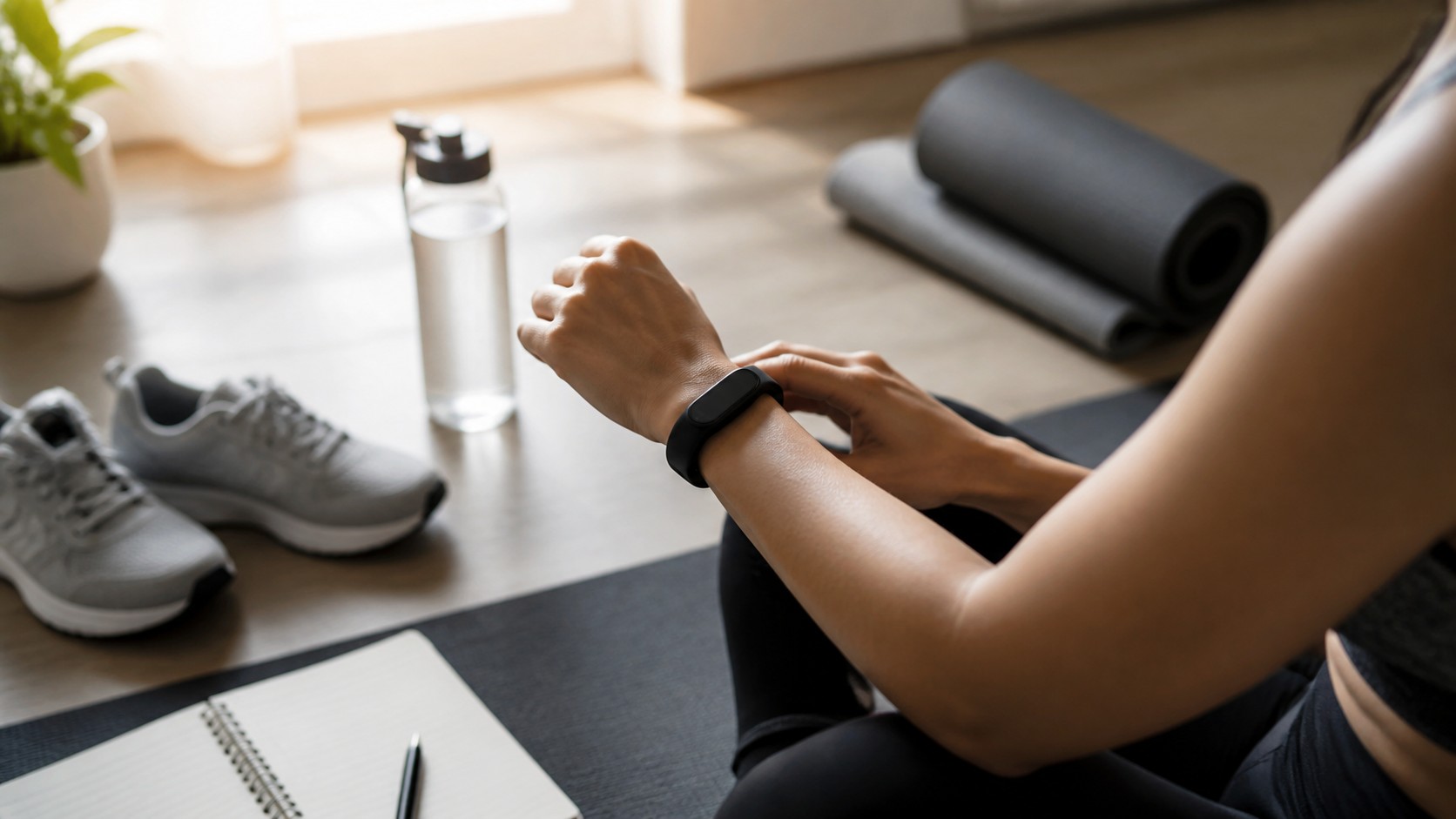
The Fitness Bands That Actually Changed My Health Habits
I used to think a fitness band would either transform me into someone wildly disciplined or become another gadget sleeping in a drawer. The truth landed somewhere more useful. The bands that changed my habits were not the flashiest ones or the ones with the most aggressive fitness language. They were the ones that made ordinary patterns easier to see: how little I moved on busy workdays, how late caffeine affected my sleep, how a short walk after dinner helped my mood, and how often I confused restlessness with hunger. A fitness band did not make choices for me, but it gave me a gentle mirror. Once I could see my day in small numbers and trends, I started making small corrections. Not heroic changes. Not elite training. Just a few more walks, steadier bedtimes, less guessing, and a better feel for what my body was already trying to tell me.
A: No. Comfort, battery life, readable trends, and an app you like matter more than premium extras.
A: They are a useful start, especially if your main goal is moving more during normal days.
A: If sleep habits are part of your goal, yes, as long as the band is comfortable.
A: It can help by making progress visible, but motivation still depends on goals that fit your life.
A: Treat them as rough estimates, not precise nutrition data.
A: Turn off the ones that interrupt you and keep only reminders that support your routine.
A: Resting heart rate trends can be helpful, especially when viewed over weeks.
A: Only if it feels encouraging. If it makes you feel behind, skip it.
A: Many people notice patterns within a week, but lasting change usually builds over months.
A: Pick one repeatable behavior, such as a daily walk or consistent bedtime, and track that first.
What Changed Was My Awareness
The biggest shift was not effort. It was awareness. Before wearing a band, I judged my activity by memory, and memory is generous when the day feels busy. I could spend ten hours bouncing between messages, errands, and chores and still assume I had been active. Then the band would show a quiet truth: I had been busy, but mostly stationary.
That distinction changed how I planned my days. I stopped treating movement as something that only counted if I changed clothes, drove to a gym, or carved out a full hour. A ten-minute walk became real. Two short walks became enough to change the shape of an afternoon. The band helped me trust small sessions because they showed up in the record.
The Best Bands Worked In The Background
The fitness bands that helped me most were boring in the best way. They stayed charged for days, sat comfortably under a sleeve, and did not make every health choice feel like a performance. A device that needs constant attention can become another chore. A good band disappears until it has something useful to say.
Comfort mattered more than I expected. If the strap pinched, trapped sweat, or looked too bulky for normal clothes, I took it off. Once it came off, the habit broke. The most useful band was the one I could wear during work, sleep, walks, grocery runs, and lazy evenings without thinking about it.
The app mattered too. I did not need a dashboard built for competitive training. I needed trends I could understand quickly: average steps, sleep timing, resting heart rate, and a basic view of active minutes. When the app translated data into a clear weekly picture, I came back to it. When it buried me in metrics, I ignored it.
Steps Were A Starting Point
Step counting gets mocked because it is simple, but simple can be powerful. My step count showed me the difference between a day that felt full and a day that actually included movement. The number was not a moral score. It was a nudge toward reality.
At first, I aimed too high. I copied round-number goals that sounded impressive and then felt annoyed when normal life got in the way. The better approach was to find my baseline and raise it gently. If my usual workday landed around 4,500 steps, aiming for 5,500 felt reachable. Once that felt normal, 6,500 did not seem dramatic.
Sleep Tracking Changed My Evenings
Sleep tracking was more personal than step tracking. It showed patterns I could feel but had not named. I learned that late scrolling made my bedtime slide without feeling like a decision. I learned that a second coffee in the afternoon did not always keep me awake, but it often made my sleep feel lighter. I learned that going to bed at the same time helped more than trying to catch up after several short nights.
I did not treat the sleep score as a verdict. Some nights looked rough because life was rough: travel, stress, temperature, noise, or a restless mind. The useful part was the trend. When my sleep timing improved for several nights in a row, my mornings improved too. I needed fewer negotiations with the alarm.
The band also helped me stop pretending bedtime started when I got into bed. Bedtime started earlier, with the choices that made sleep possible. Dimming lights, setting the phone aside, finishing chores sooner, and keeping workouts away from the last part of the night all mattered. The data made those choices easier to connect.
Heart Rate Trends Added Context
I did not buy a fitness band for heart rate tracking, but the resting heart rate trend became one of the more useful signals. I stopped reacting to single readings and started watching the general direction. A few higher days often lined up with poor sleep, stress, travel, or getting sick.
That context helped me adjust without turning my life into a medical spreadsheet. If my resting heart rate ran high after a hard week, I chose a walk instead of a harder workout. If it settled back down after better sleep, I knew the basics were working. The number was not an order. It was background weather.
For everyday users, that is the sweet spot. A band can give useful signals without becoming the boss of your body. When something feels off, persistent, painful, or worrying, the device should not replace professional care. For ordinary habit work, though, trends can help you notice when your routine is supporting you and when it is quietly wearing you down.
Reminders Helped When I Made Them Gentle
Inactivity reminders were annoying until I changed my expectations. I did not need every buzz to trigger a full break. Sometimes it meant standing up, refilling water, stretching my calves, or walking to a window. The alert worked best when it interrupted autopilot, not when it demanded a workout.
I also learned to protect focus. During deep work, constant reminders made me resent the band. So I adjusted the schedule and kept alerts for the parts of the day when I was most likely to drift into hours of sitting. A useful reminder should feel like a tap on the shoulder, not a scolding voice.
The Real Win Was Reducing Guesswork
A fitness band did not solve health for me. It reduced guesswork. Instead of asking why I felt stiff, tired, restless, or behind, I had a few clues. Maybe I had barely moved. Maybe my bedtime had slipped all week. Maybe I had been active but not rested. Those clues made the next step smaller.
Smallness was the secret. I did not need to redesign my life. I needed to make one better choice soon: take a walk before another screen break, go to bed before the second episode, choose a lower step goal during a hectic week, or stop chasing a streak that had become stressful.
The best bands supported that kind of adjustment. They gave me enough information to act, then got out of the way. They rewarded consistency, but they also showed me that consistency includes recovery, imperfect days, and starting again without drama.
What I Would Look For Now
If I were choosing a fitness band today, I would start with comfort, battery life, and the app experience. A device can have impressive sensors and still fail if it is irritating to wear. I would also look for customizable goals, simple sleep summaries, reliable step tracking, and reminders I can tune to my schedule.
I would avoid buying for fantasy self. That version of me wants every advanced feature, every training metric, and every possible chart. Real me wants a band that helps during normal weeks: workdays, errands, family plans, low-energy mornings, and evenings when the couch is very persuasive.
The right band is the one that makes your next healthy choice easier. Not louder. Not more complicated. Easier. When a fitness band does that, it becomes less like a gadget and more like a quiet routine partner. That is what changed my habits: not pressure, not perfection, but a steady stream of small signals that helped me live a little more intentionally.
Keep Comfort And Fit Part Of The Hack
A smartwatch only helps when it is actually on your wrist. If you take it off because the band is hot, tight, itchy, or awkward, try a different strap style. Silicone can be great for workouts, nylon can feel lighter for sleep, leather or metal may suit office wear, and stretchy bands can reduce pressure during long days. The right band can make the same watch feel completely different.
Fit also affects tracking. During workouts, the watch should sit snugly enough that the sensors stay in contact without cutting into your wrist. During relaxed wear, loosen it slightly. Clean the band and the back of the watch regularly, especially after sweat, sunscreen, lotion, or dust. A clean, comfortable watch is easier to keep wearing, and consistent wear is what makes most of the clever features useful.
Let The Watch Handle The Small Moment
The best everyday hacks are not about showing off technology. They are about catching the small moment before it becomes a bigger interruption. A timer starts before the pot boils over. A reminder appears when you reach the store. A payment happens without digging through a bag. A focus mode blocks the alerts that used to steal attention. None of these changes feels dramatic alone, but together they make the watch feel like a quiet layer of support.
That is why a monthly tune-up matters. Your schedule changes, your favorite apps change, and your patience for alerts changes. Keep the watch shaped around the life you are living now, and it will keep earning its place.
Why The Quiet Feedback Worked
The band helped most when it made feedback ordinary. I did not need a dramatic coaching voice or a complicated training plan. I needed a small signal that showed whether the day was drifting in the direction I wanted. A step trend, a bedtime pattern, a resting heart rate line, or a gentle reminder was enough to interrupt autopilot without taking over the whole day.
That quietness mattered because real habits have to survive boring weeks. A device can feel exciting during the first few days, but the useful question is whether it still helps after the novelty fades. The best fitness bands kept the basics visible, avoided making every miss feel like failure, and gave me a reason to start again the next morning.
Progress Felt Better When It Was Flexible
The healthiest change was learning to adjust the plan instead of abandoning it. On a heavy workday, a shorter walk still counted. During travel, sleep consistency mattered more than step totals. After a poor night, recovery mattered more than pushing harder. The band did not make those choices automatic, but it made them easier to justify.
That flexibility kept the habit alive. When the band made room for imperfect days, I stopped treating one missed target as the end of the streak.