Wellness Data Is Moving Into the Fabric
Smart clothing for health monitoring is becoming one of the most practical ideas in wearable technology because it begins with something people already use every day: shirts, socks, bras, leggings, sleepwear, and work uniforms. Instead of asking the body to adapt to another gadget, these garments place soft sensors close to the skin and gather signals while a person walks, trains, sits, sleeps, commutes, or recovers. The goal is not to replace a doctor, a fitness coach, or a medical device. It is to make personal wellness easier to notice before problems become loud. A smartwatch can capture plenty from the wrist, but fabric can cover the chest, back, feet, hips, and limbs, giving it access to breathing rhythm, posture, muscle activity, pressure distribution, skin temperature, and movement quality. That broader view could turn everyday clothing into an early-warning layer for fatigue, stress, poor recovery, circulation concerns, gait changes, and habits that quietly shape long-term health.
A: Most consumer garments provide wellness insights, not medical diagnoses, unless they are cleared for a specific medical use.
A: It can be better for signals from the chest, feet, muscles, or posture, while watches remain convenient for wrist-based tracking.
A: Some sensors need close contact, but good designs balance signal quality with comfort and normal movement.
A: Many are washable after removing electronics, but owners should follow the garment-specific care instructions.
A: Athletes, older adults, rehabilitation patients, shift workers, and wellness-focused users may benefit from richer body context.
A: Some garments can store data temporarily, but most need an app for setup, syncing, and interpretation.
A: Durability depends on fiber construction, washing habits, fit stress, and whether electronics are protected from moisture.
A: It may estimate stress using breathing, heart rhythm, temperature, and movement patterns, but results should be treated as guidance.
A: Trend reports can help conversations, but users should explain the device type and avoid treating consumer data as clinical proof.
A: Comfort, laundry durability, cost, privacy trust, and useful interpretation all matter as much as sensor accuracy.
Why Clothing Changes the Health-Monitoring Equation
The first wave of wearables taught people to expect numbers: steps, calories, heart rate, sleep scores, and exercise minutes. Smart clothing goes after something slightly different. It can make health monitoring more contextual. A shirt can know when breathing becomes shallow during a stressful meeting. Socks can reveal whether a runner is shifting load to one side. A base layer can notice that skin temperature is climbing while pace remains steady. These are not isolated trivia points; they are clues about how the body handles real environments.
The advantage comes from placement. The wrist is convenient, but it is also noisy. Hands swing, grip, wash dishes, push strollers, and type on keyboards. Garments can place sensors where the signal starts. Chest fabrics can capture respiration more naturally than a wrist device guessing from secondary patterns. Footwear textiles can measure pressure across steps instead of relying only on accelerometer estimates. A posture shirt can sense shoulder rounding where it happens, not infer it after the fact.
That does not make every smart garment automatically better. Fabric has to stretch, breathe, survive sweat, and still feel like clothing. If a sensor patch scratches the skin or a battery pod digs into the ribs, the product loses before the app opens. The future belongs to garments that disappear into normal routines while producing measurements trustworthy enough to act on.
From Fitness Tracking to Preventive Wellness
The strongest promise is not another scoreboard for optimization. It is earlier awareness. Many wellness changes arrive quietly: poorer sleep, slower recovery, uneven gait, higher resting strain, more time spent slouched, or reduced breathing depth during anxious weeks. A person may not notice those shifts until discomfort, injury, or burnout appears. Smart clothing can help surface patterns while they are still small.
Consider someone returning to exercise after a knee injury. A smart sock or legging could show pressure imbalance, altered stride timing, or muscle compensation before pain returns. For an office worker, a posture-aware undershirt could show that the final two hours of the workday consistently bring shoulder tension and shallow breathing. For a caregiver, a washable sleep shirt might reveal changes in nighttime movement and respiration that deserve a closer look.
These examples are wellness signals, not diagnoses. The distinction matters. Smart clothing should not turn everyday life into a medical alarm system. Its better role is to create a personal baseline and then show meaningful departures from it. When a garment understands what normal looks like for one wearer, it can be gentler and more useful than a generic threshold borrowed from a population chart.
The Sensor Stack Inside the Seams
Most smart clothing combines conductive fibers, small detachable electronics, flexible sensor strips, and software models. Textile electrodes may read electrical activity from the heart or muscles. Strain sensors can measure fabric expansion as the chest rises and falls. Pressure sensors in socks or insoles can map how weight moves through the foot. Temperature sensors can help interpret exertion, recovery, or environmental stress. The garment itself becomes the sensor housing.
The hard part is not merely collecting data. It is keeping the signal clean while a human body twists, sweats, bends, and changes posture. A shirt that performs well on a standing mannequin may struggle during burpees, gardening, or a crowded commute. Algorithms must recognize movement noise and avoid turning every wrinkle into a false insight. Fit is part of the technology: too loose, and the signal fades; too tight, and people stop wearing it.
Battery design is another practical frontier. Many products use a removable module that snaps into the garment, allowing the fabric to be washed separately. Future systems may lean more on low-power chips, energy harvesting, or short-session recording, but today the best designs are straightforward: easy charging, obvious attachment, clear wash care, and no mystery about when the garment is ready to track.
Where It Fits in Everyday Life
Smart clothing will likely spread through use cases where ordinary wearables feel incomplete. Athletic training is an obvious path because athletes already accept specialized apparel and care about form, load, and recovery. A running shirt that combines breathing and torso movement with foot-pressure socks could explain why a comfortable pace suddenly feels inefficient. A strength garment could help show whether one side is doing more work during a lift.
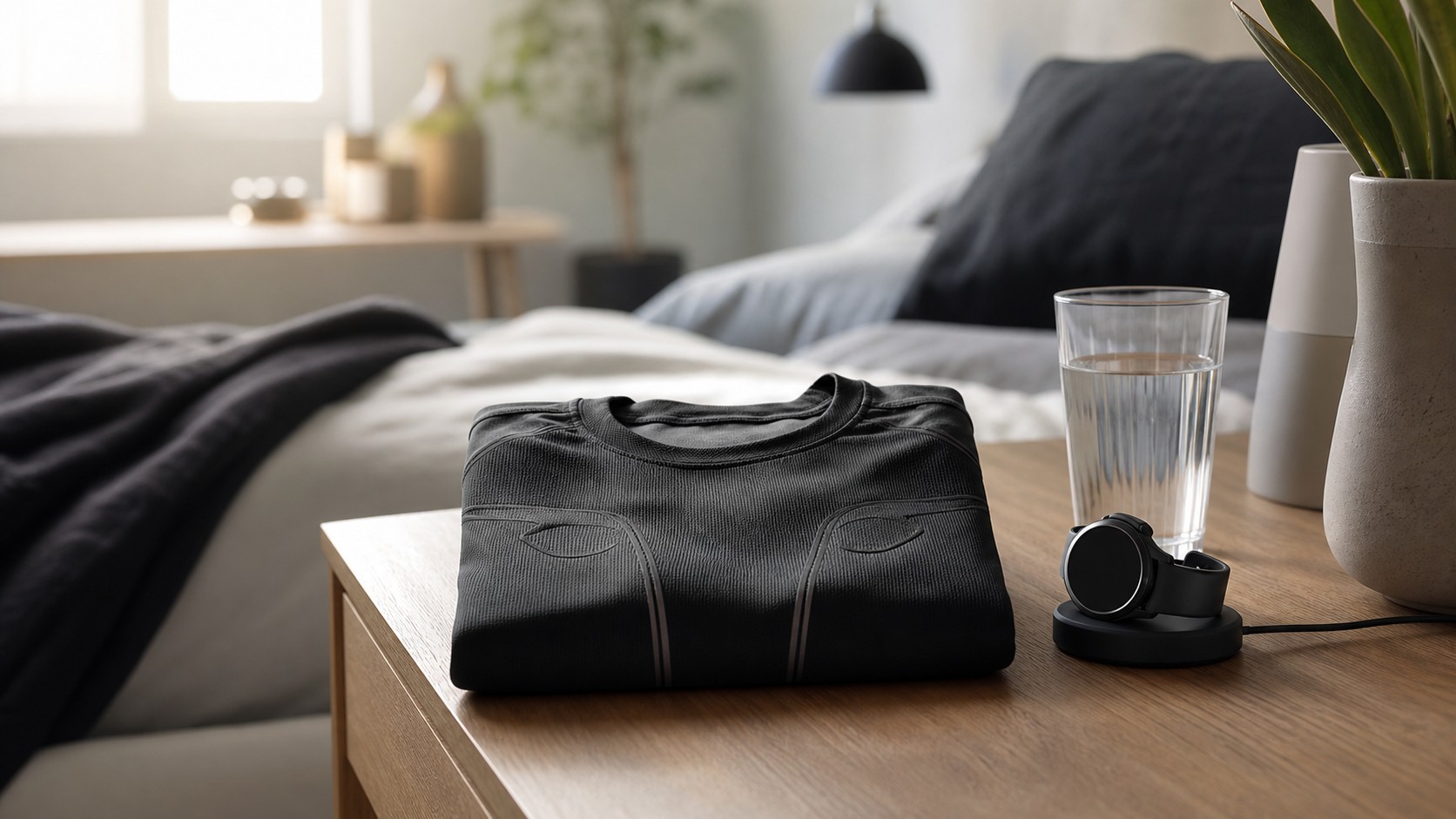
Sleep is another natural category. Many people dislike wearing watches overnight, and rings can feel intrusive for some sleepers. Soft sleepwear can collect respiration and movement with less friction, provided the garment is comfortable and does not overheat. For people focused on recovery, a sleep shirt may be less about chasing a perfect score and more about seeing whether late meals, travel, stress, or training affect the night.
Workplace wellness may become important too, especially for jobs involving heat, repetitive motion, long shifts, or physical strain. Smart uniforms could help workers and supervisors identify fatigue risk or heat stress before performance drops. That path needs careful guardrails. Health-monitoring clothing in the workplace should empower the wearer, not become a surveillance layer dressed up as safety. Consent, data limits, and worker access to their own information need to be built in from the start.
Design Must Respect Ordinary Routines
The most successful smart garments will not ask people to behave like lab participants. They will support the messy rhythm of actual life: rushed mornings, mixed laundry, travel bags, changing body sizes, and days when charging another device feels like a chore. A health-monitoring shirt that requires delicate handling after every wear may impress early adopters but fail the household test. The product has to earn a place beside ordinary socks and workout gear.
That means manufacturers need to think beyond sensor accuracy. Replacement policies, size inclusivity, fabric durability, and seasonal comfort all influence whether data becomes consistent enough to matter. A garment worn once a week can show interesting snapshots. A garment worn through a normal month can reveal patterns. Personal wellness depends on that longer timeline, because stress, recovery, posture, and movement habits rarely explain themselves in a single day.
App design also matters. People do not need another wall of charts after a hard shift or a poor night of sleep. Better software should translate textile data into calm observations: breathing was steadier after your walk, your left foot carried more load today, recovery improved after an earlier bedtime, or your posture changed after two hours without a break. The tone should feel like a useful mirror, not a scolding coach.
Clinical Bridges Without Overpromising
Smart clothing sits in a sensitive space between consumer wellness and healthcare. For now, many products are best understood as personal trend tools. They can help a wearer prepare better questions for a clinician, notice changes worth discussing, or follow a rehabilitation plan with more body feedback. That is valuable, even when the garment is not a regulated medical device.
The bridge to healthcare will require careful evidence. If a company claims to detect arrhythmias, respiratory issues, fall risk, or disease progression, it needs validation, transparency, and appropriate regulatory clearance. Consumers should welcome rigor rather than see it as a barrier. Strong proof protects users from false reassurance, needless worry, and wellness theater dressed in scientific language.
Clinicians may eventually appreciate summaries from smart garments when those summaries are concise and contextual. A month of breathing-rate trends, sleep disruption, gait asymmetry, or activity tolerance could support a conversation far better than a pile of raw files. The key is turning constant measurement into information that respects both the patient and the professional receiving it.
Privacy Has to Be Part of the Product
Health data from clothing can feel more intimate than step counts because it is gathered directly from the body across many private moments. A garment might reveal stress patterns, sleep disruption, exercise habits, body temperature trends, or changes in mobility. Users should not have to dig through obscure menus to learn where that data goes. Clear privacy controls are a core feature, not a legal afterthought.
Good products should explain what is collected, what stays on the phone, what reaches the cloud, how long records are retained, and whether information is used for model training, research, insurance programs, employer dashboards, or advertising. The user should be able to delete data, export useful summaries, and disable sharing without breaking basic garment function.
There is also a social privacy layer. Clothing is visible, and not everyone wants a shirt or bra to announce that it is tracking health metrics. The most wearable designs will look ordinary. Subtlety helps people use the technology in public, at work, at the gym, and at home without feeling labeled by their devices.
What Buyers Should Look For
The smartest purchase begins with the signal, not the gadget. A person interested in breathing and recovery should look at chest-based garments. Someone worried about gait, balance, or running form should examine socks or insoles. A user focused on posture should choose apparel designed around the shoulders and upper back. Matching sensor placement to the wellness goal prevents disappointment.
Comfort deserves equal weight. If the garment feels like a medical harness, it will end up in a drawer. Buyers should check fit guidance, fabric composition, seam placement, return policies, and whether replacement garments are available separately from the electronics. Washability is not a small detail; clothing that cannot handle real laundry habits will struggle in real life.
Claims need scrutiny. Phrases such as clinical grade, medical insight, or AI health analysis should be backed by specifics. Has the product been validated against a recognized reference? Is it cleared for any regulated use, or is it a consumer wellness device? Does the app show confidence levels and trends, or does it make dramatic statements from thin data? For health-adjacent technology, humble clarity is often a good sign.
The Road Ahead
The next phase of smart clothing will be shaped by three forces: better materials, better interpretation, and better integration with care ecosystems. Conductive yarns and flexible sensors will keep improving, making garments softer and more durable. Apps will need to move beyond dashboards into practical coaching, showing what changed, what may have influenced it, and what action is reasonable. Health platforms may eventually combine garment data with watches, rings, blood pressure cuffs, glucose monitors, and medical records, but only with user permission and careful context.
The most compelling version of the future is not a closet full of anxious devices. It is a calmer wellness layer that helps people understand their bodies with less friction. Smart clothing can support that future by making monitoring more continuous, more comfortable, and more specific to the movements and routines that shape health. The winners will be the garments people forget they are wearing until the insight arrives at exactly the right moment.