Smart Speakers Should Match the Room They Serve
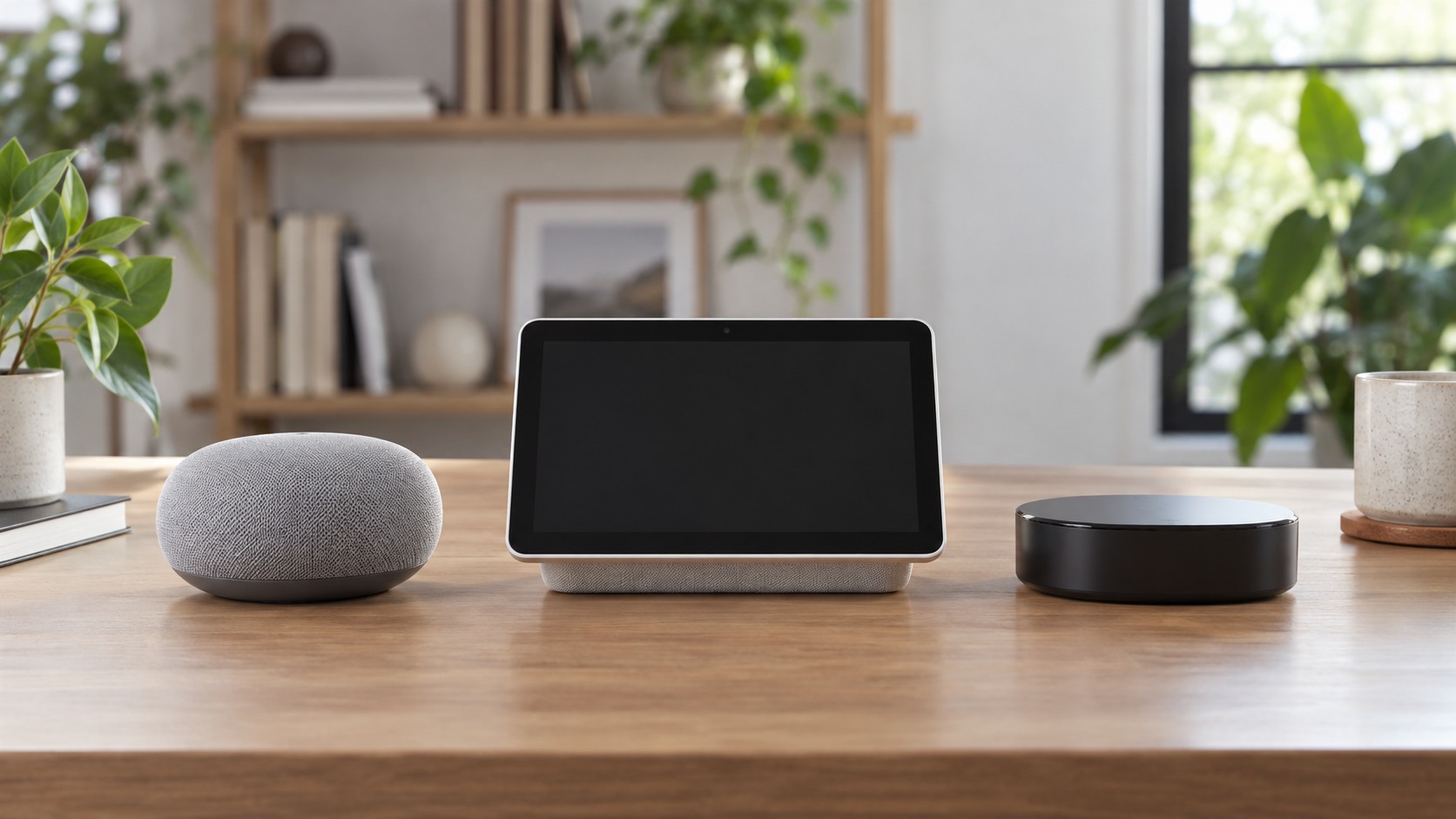
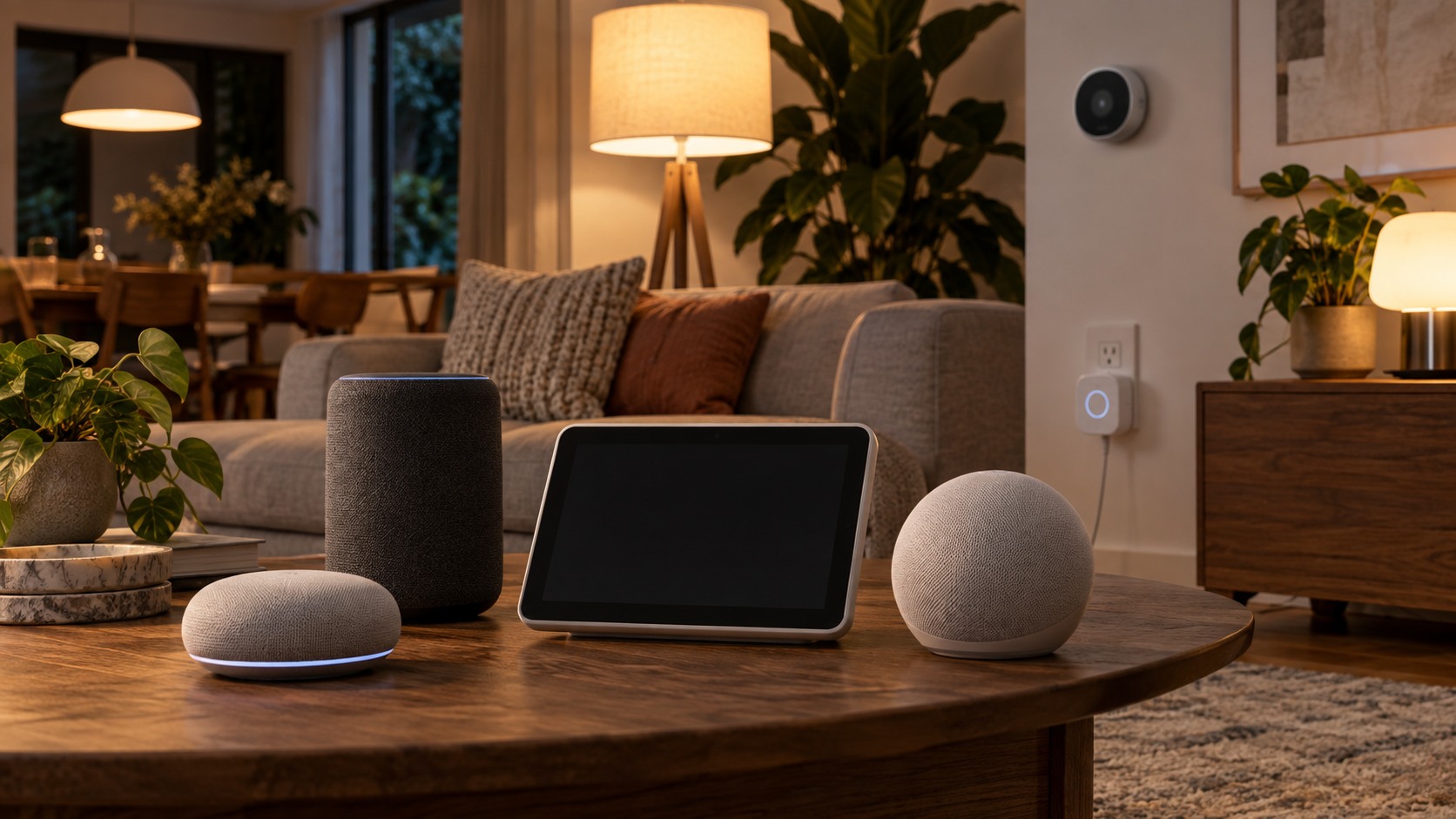
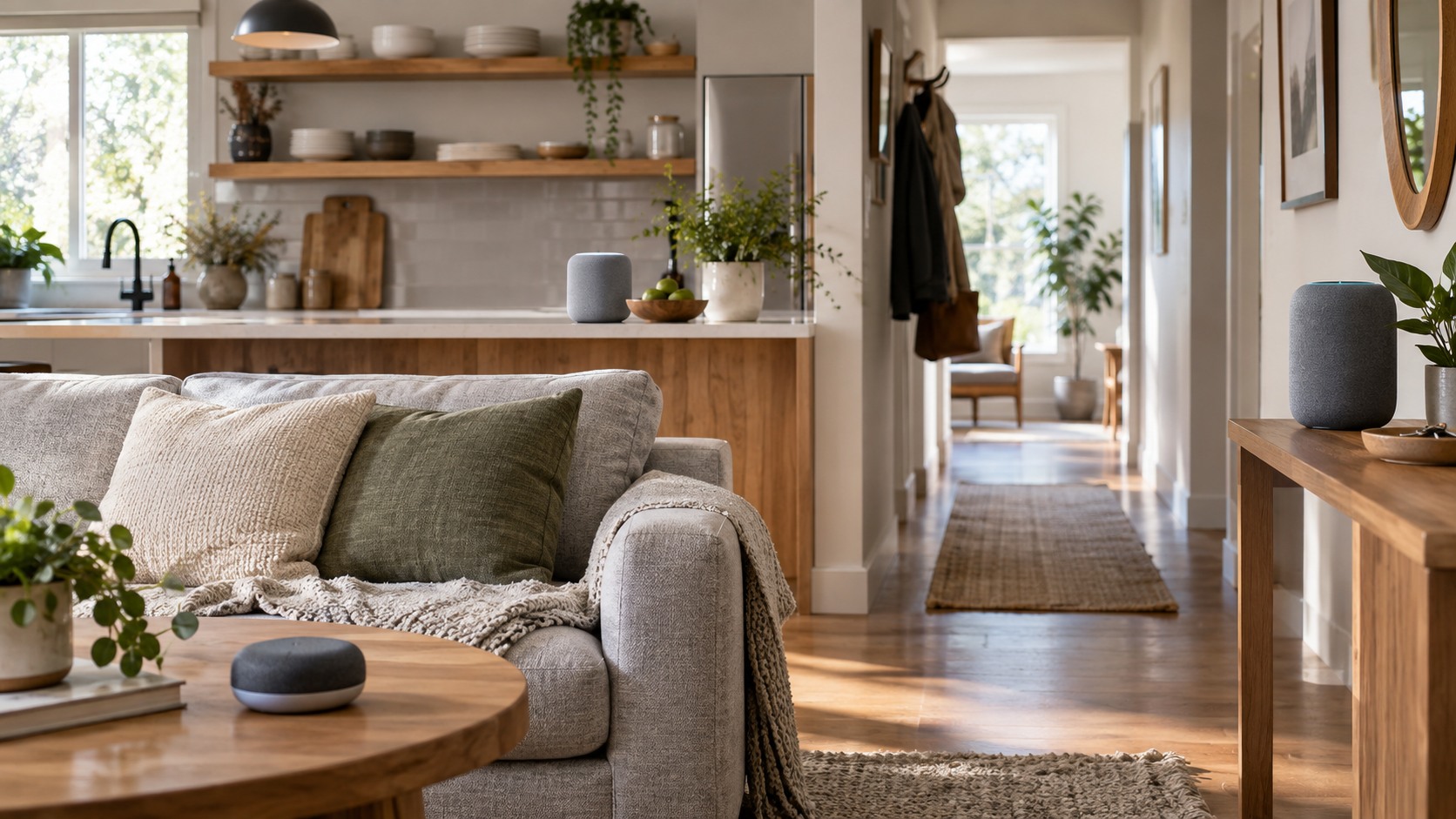
The best smart speakers for every room in your house are not all the same size, price, or style. A kitchen speaker needs strong microphones, timers, music, and maybe a display. A living room speaker should sound better and coordinate with TV or multi-room audio. A bedroom speaker should be quiet, private, and reliable for alarms. A bathroom or hallway speaker needs simple controls and sensible placement. Choosing room by room keeps the home useful instead of filling every surface with devices that all try to do the same job.
A: Start in the kitchen or living room, where hands-free timers, music, reminders, and home control are used most often.
A: No. Some rooms are better served by buttons, wall controls, or no microphone at all.
A: Displays help with cameras, recipes, calendars, and touch control, but they are unnecessary for simple music or voice commands.
A: Reliable alarms, easy mute controls, low light, privacy comfort, and quiet responses matter more than loud sound.
A: Some are fine for background audio, but larger speakers or stereo pairs are better for music-focused rooms.
A: Keep them away from sinks, vents, loud appliances, and corners that muffle microphones.
A: Check moisture tolerance, placement safety, and whether voice control is actually needed there.
A: They let music, announcements, and routines move through the house without phone juggling.
A: Buying the same speaker for every room without considering sound, privacy, and room behavior.
A: Use portable speakers, plugs, and lights that can move easily without rewiring.
Begin With Rooms, Not Brands
Smart speaker decisions become easier when the home is treated as a set of rooms with different jobs. A kitchen assistant may need timers, recipes, music, and family reminders. A living room device may need TV control, group audio, and quick smart-light scenes. A bedroom device may need quieter alarms and stricter privacy. The best choice is rarely the assistant with the longest feature list; it is the one that fits kitchen audio without creating daily friction. Speaker size should follow the room rather than the sale price. A tiny puck can be perfect for a hallway announcement or desk timer, while a larger speaker makes more sense where people actually listen to music. Buying one model for every room often wastes money in one area and underdelivers in another.
Compatibility still matters, but it should serve the routine rather than dominate the decision. Matter and Thread can improve basic device control, yet advanced camera tools, music services, intercom features, shopping integrations, and family profiles still vary by platform. Buyers should check what works with existing phones, lights, thermostats, cameras, and speakers before changing ecosystems. A smart assistant should connect the home, not restart it from scratch.
Households also need to plan for people who do not love voice commands. Guests may not know device names. Children may trigger routines accidentally. Older adults may prefer buttons or touch controls. A good setup pairs voice with app controls, wall switches, scenes, and clear device names. That mix lets living room sound feel helpful without making every person learn the system designer’s habits.
The subscription layer deserves a sober look. Advanced AI conversation, video history, camera summaries, music plans, and cloud storage can make a device more capable, but they also change the real price. The smartest purchase accounts for monthly costs, not just the device on sale. If a feature is not useful enough to pay for later, it should not drive the buying decision today.
Voice Control Needs a Backup
Smart speaker decisions become easier when the home is treated as a set of rooms with different jobs. A kitchen assistant may need timers, recipes, music, and family reminders. A living room device may need TV control, group audio, and quick smart-light scenes. A bedroom device may need quieter alarms and stricter privacy. The best choice is rarely the assistant with the longest feature list; it is the one that fits bedroom privacy without creating daily friction.
Compatibility still matters, but it should serve the routine rather than dominate the decision. Matter and Thread can improve basic device control, yet advanced camera tools, music services, intercom features, shopping integrations, and family profiles still vary by platform. Buyers should check what works with existing phones, lights, thermostats, cameras, and speakers before changing ecosystems. A smart assistant should connect the home, not restart it from scratch.
Households also need to plan for people who do not love voice commands. Guests may not know device names. Children may trigger routines accidentally. Older adults may prefer buttons or touch controls. A good setup pairs voice with app controls, wall switches, scenes, and clear device names. That mix lets display placement feel helpful without making every person learn the system designer’s habits.
Privacy Changes by Location
Smart speaker decisions become easier when the home is treated as a set of rooms with different jobs. A kitchen assistant may need timers, recipes, music, and family reminders. A living room device may need TV control, group audio, and quick smart-light scenes. A bedroom device may need quieter alarms and stricter privacy. The best choice is rarely the assistant with the longest feature list; it is the one that fits living room sound without creating daily friction.
Compatibility still matters, but it should serve the routine rather than dominate the decision. Matter and Thread can improve basic device control, yet advanced camera tools, music services, intercom features, shopping integrations, and family profiles still vary by platform. Buyers should check what works with existing phones, lights, thermostats, cameras, and speakers before changing ecosystems. A smart assistant should connect the home, not restart it from scratch.
Households also need to plan for people who do not love voice commands. Guests may not know device names. Children may trigger routines accidentally. Older adults may prefer buttons or touch controls. A good setup pairs voice with app controls, wall switches, scenes, and clear device names. That mix lets multi-room music feel helpful without making every person learn the system designer’s habits.
The subscription layer deserves a sober look. Advanced AI conversation, video history, camera summaries, music plans, and cloud storage can make a device more capable, but they also change the real price. The smartest purchase accounts for monthly costs, not just the device on sale. If a feature is not useful enough to pay for later, it should not drive the buying decision today.
The final test is a week of normal use. Try morning routines, dinner prep, quiet evenings, visitors, noisy appliances, and moments when the internet is slow. If kitchen audio still works without constant correction, the setup is probably on the right track. If every command needs repeating or every automation needs editing, the system is too fragile.
Audio and Display Choices Should Match the Job
Smart speaker decisions become easier when the home is treated as a set of rooms with different jobs. A kitchen assistant may need timers, recipes, music, and family reminders. A living room device may need TV control, group audio, and quick smart-light scenes. A bedroom device may need quieter alarms and stricter privacy. The best choice is rarely the assistant with the longest feature list; it is the one that fits display placement without creating daily friction. Placement also affects microphones as much as sound. A speaker beside a blender, range hood, shower fan, or television may struggle to hear commands. A unit tucked into a shelf may sound boomy or muffled. The best smart speaker location is close enough to hear people naturally but far enough from noise, steam, and clutter to stay reliable.
Compatibility still matters, but it should serve the routine rather than dominate the decision. Matter and Thread can improve basic device control, yet advanced camera tools, music services, intercom features, shopping integrations, and family profiles still vary by platform. Buyers should check what works with existing phones, lights, thermostats, cameras, and speakers before changing ecosystems. A smart assistant should connect the home, not restart it from scratch.
Households also need to plan for people who do not love voice commands. Guests may not know device names. Children may trigger routines accidentally. Older adults may prefer buttons or touch controls. A good setup pairs voice with app controls, wall switches, scenes, and clear device names. That mix lets intercom use feel helpful without making every person learn the system designer’s habits.
The subscription layer deserves a sober look. Advanced AI conversation, video history, camera summaries, music plans, and cloud storage can make a device more capable, but they also change the real price. The smartest purchase accounts for monthly costs, not just the device on sale. If a feature is not useful enough to pay for later, it should not drive the buying decision today.
Routines Work Best When They Stay Simple
Smart speaker decisions become easier when the home is treated as a set of rooms with different jobs. A kitchen assistant may need timers, recipes, music, and family reminders. A living room device may need TV control, group audio, and quick smart-light scenes. A bedroom device may need quieter alarms and stricter privacy. The best choice is rarely the assistant with the longest feature list; it is the one that fits multi-room music without creating daily friction.
Compatibility still matters, but it should serve the routine rather than dominate the decision. Matter and Thread can improve basic device control, yet advanced camera tools, music services, intercom features, shopping integrations, and family profiles still vary by platform. Buyers should check what works with existing phones, lights, thermostats, cameras, and speakers before changing ecosystems. A smart assistant should connect the home, not restart it from scratch.
Households also need to plan for people who do not love voice commands. Guests may not know device names. Children may trigger routines accidentally. Older adults may prefer buttons or touch controls. A good setup pairs voice with app controls, wall switches, scenes, and clear device names. That mix lets kitchen audio feel helpful without making every person learn the system designer’s habits.
A Good Setup Survives Ordinary Household Chaos
Smart speaker decisions become easier when the home is treated as a set of rooms with different jobs. A kitchen assistant may need timers, recipes, music, and family reminders. A living room device may need TV control, group audio, and quick smart-light scenes. A bedroom device may need quieter alarms and stricter privacy. The best choice is rarely the assistant with the longest feature list; it is the one that fits intercom use without creating daily friction.
Compatibility still matters, but it should serve the routine rather than dominate the decision. Matter and Thread can improve basic device control, yet advanced camera tools, music services, intercom features, shopping integrations, and family profiles still vary by platform. Buyers should check what works with existing phones, lights, thermostats, cameras, and speakers before changing ecosystems. A smart assistant should connect the home, not restart it from scratch.
Households also need to plan for people who do not love voice commands. Guests may not know device names. Children may trigger routines accidentally. Older adults may prefer buttons or touch controls. A good setup pairs voice with app controls, wall switches, scenes, and clear device names. That mix lets bedroom privacy feel helpful without making every person learn the system designer’s habits.
The subscription layer deserves a sober look. Advanced AI conversation, video history, camera summaries, music plans, and cloud storage can make a device more capable, but they also change the real price. The smartest purchase accounts for monthly costs, not just the device on sale. If a feature is not useful enough to pay for later, it should not drive the buying decision today. A room-by-room plan also makes upgrades easier. If the kitchen needs a display later, the old speaker can move to a hallway or office instead of becoming e-waste. Flexible placement keeps the system useful as habits change.