Burnout Is Starting To Look Like A Sleep Pattern
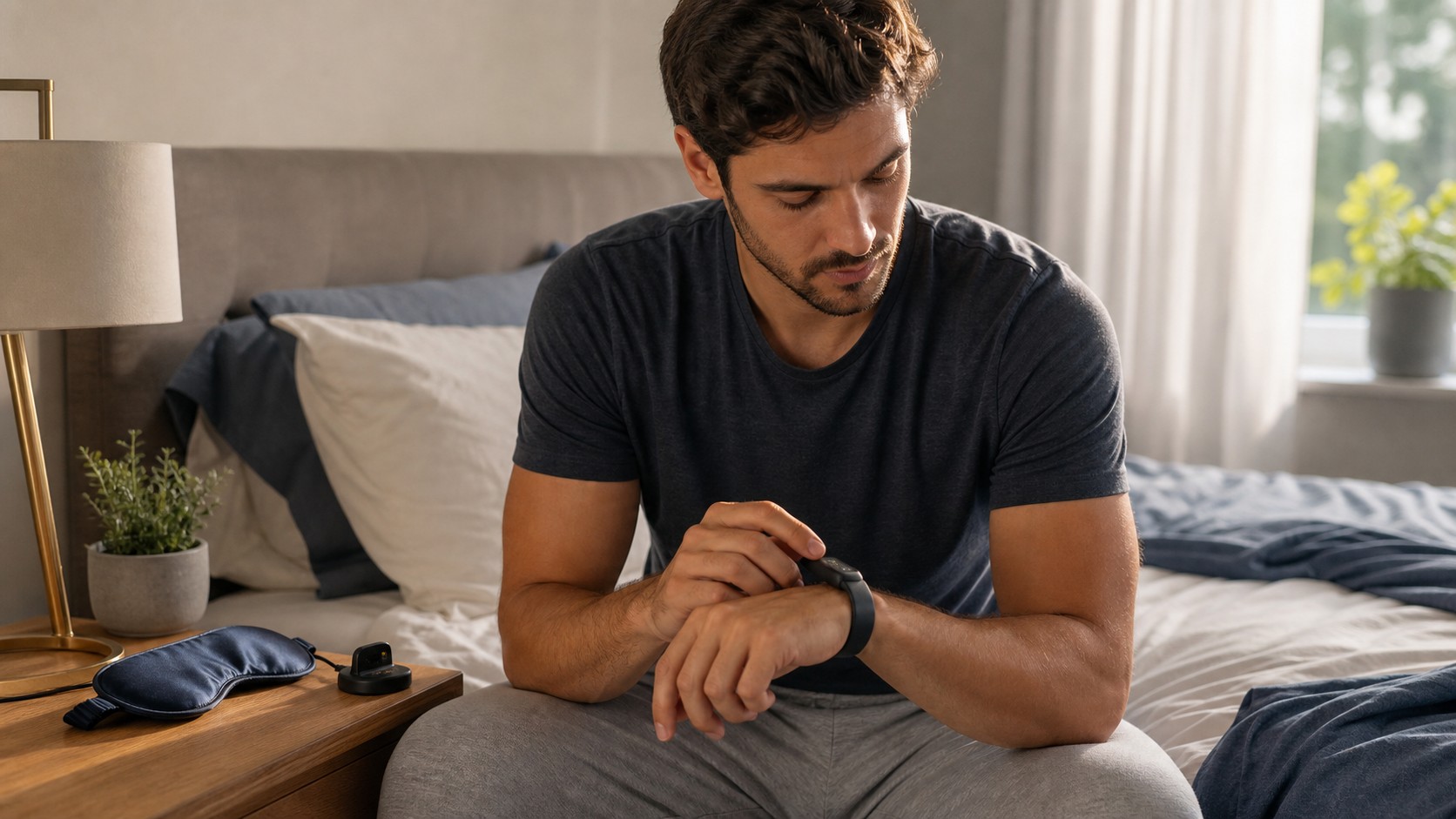
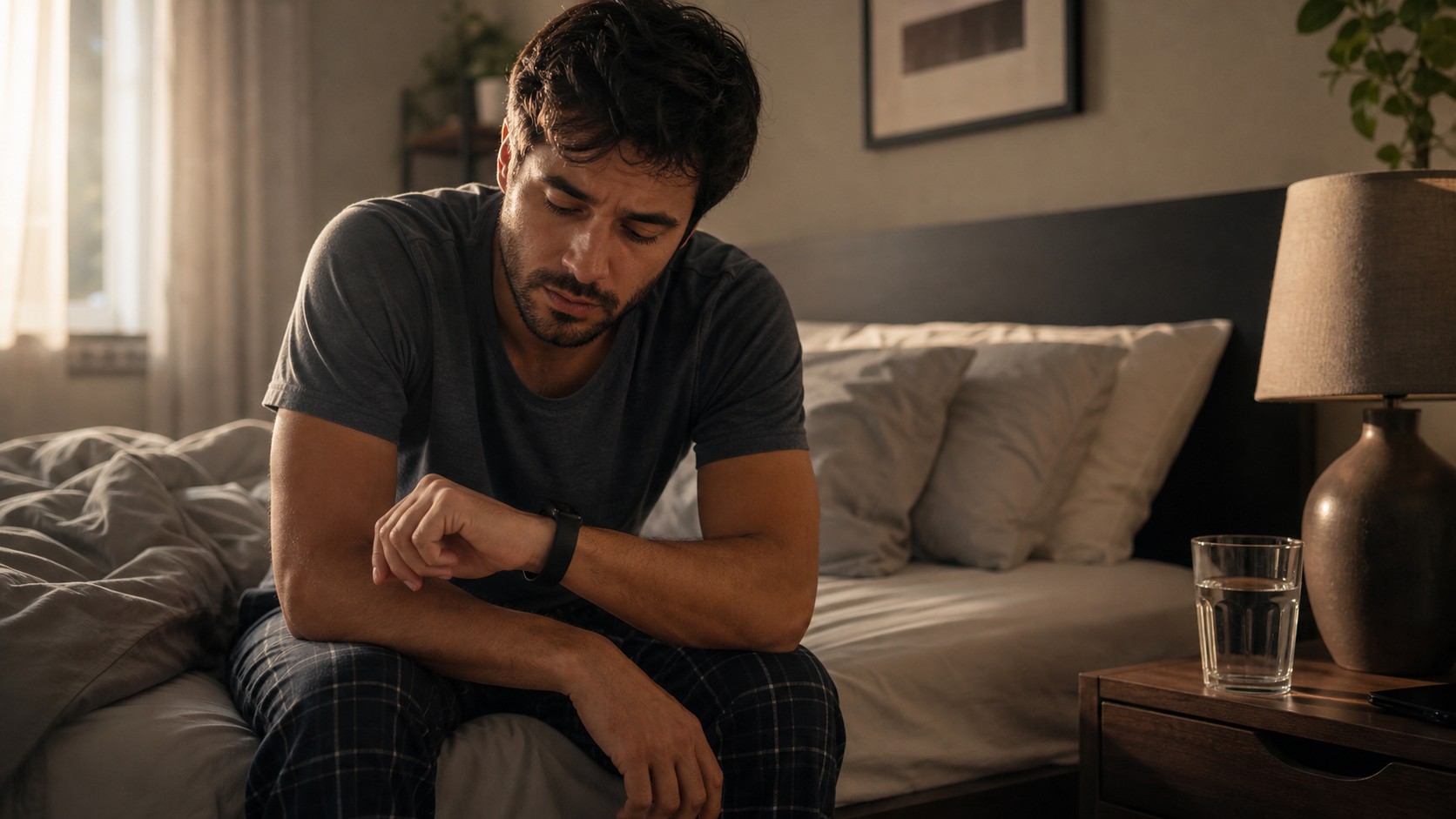
The most interesting sleep trackers in 2026 are no longer acting like tiny judges that hand you a score and disappear. They are starting to behave more like quiet pattern spotters, watching the slow drift of your nights before you have the words for what is happening during the day. A rough night can mean almost anything: a late dinner, a noisy room, a hard workout, a deadline, a toddler, a drink too close to bed. But five weeks of shallower sleep, slower recovery, lower heart-rate variability, warmer skin, and a resting heart rate that refuses to settle can start to look like something else. Not a diagnosis. Not a certainty. More like a weather report for your nervous system: pressure is building, and you may want to change course before the storm gets expensive.
A: It can notice patterns that may line up with strain, such as poorer recovery or disrupted sleep, but it cannot know or diagnose burnout on its own.
A: No single metric is enough. The useful view is usually a cluster of changes across your own baseline.
A: HRV can reflect recovery and autonomic balance, but it is influenced by sleep, alcohol, training, illness, hormones, hydration, and measurement quality.
A: Usually not. A single low score is more useful as context than as a warning.
A: Several days can be worth noticing, while patterns over a few weeks are usually more meaningful.
A: They may help by showing recovery strain after heavy sessions, especially when paired with how you feel and how you perform.
A: They are estimates, so they should support reflection rather than drive major decisions by themselves.
A: The best alerts explain the changed pattern, avoid diagnosis, and suggest small recovery experiments.
A: Sleep and recovery data is sensitive, so workplace use should be voluntary, transparent, privacy-preserving, and easy to decline.
A: If fatigue, sleep disruption, mood changes, or functional problems persist, it is sensible to discuss them with a qualified clinician.
When Recovery Starts Sending Quiet Warnings
The shift is subtle but important. Earlier sleep apps often treated the night as a self-contained event. You slept seven hours and twelve minutes, you woke three times, your score was 81, and the app moved on. Burnout does not usually arrive that neatly. It creeps through the edges of routine. Bedtime gets pushed back because you are too wired to stop. Wake time becomes harsher because sleep is less restorative. Rest days stop feeling like rest. The body may look busy even in bed, with a resting pulse that stays elevated or HRV that remains below your personal norm. The newer promise of sleep tech is not that it can read your mind. It is that it can remember your baseline better than you can after another crowded week.
That distinction matters because burnout is a human experience, not a neat consumer metric. It can involve exhaustion, cynicism, reduced effectiveness, emotional flatness, irritability, or the odd feeling that even simple tasks require more force than they should. A wearable cannot see your inbox, your caregiving load, your financial stress, or the way a workplace culture rewards permanent availability. What it can see is the overnight residue those pressures may leave behind. If the device is honest, it frames the result as a clue: your recent pattern resembles lower recovery, not you are officially burned out.
The best systems build around personal baselines. A resting heart rate of 58 may be ordinary for one person and unusually high for another. Eight hours of sleep can be luxurious for one user and still insufficient for someone recovering from illness, heavy training, or weeks of fragmented rest. A useful tracker learns the shape of your ordinary life first, then notices when the pattern bends. It does not need to compare you with a perfect sleeper in a marketing deck. It needs to compare Tuesday-you with the version of you that usually wakes up clear enough to function.
Heart-rate variability is the metric most likely to be pulled into burnout talk, and also the one most likely to be oversold. HRV can offer a window into recovery because it reflects, imperfectly, how flexible the nervous system appears between beats. Lower-than-usual HRV may show up during stress, poor sleep, alcohol use, illness, intense exercise, dehydration, or simple measurement noise. That does not make it useless. It makes it contextual. A low HRV reading after a late flight is not mysterious. A low HRV trend paired with restless sleep, a heavier resting pulse, and weeks of daytime depletion deserves more attention.
Skin temperature and breathing trends add another layer, though they require the same humility. Slight changes can be connected to room conditions, menstrual cycle phase, infection, alcohol, medication, bedding, or sensor fit. Still, when temperature, pulse, and sleep fragmentation move together over time, the pattern can become harder to dismiss. The tracker is not declaring a cause. It is saying the system is different from usual. That can be enough to prompt a useful question: what changed in my life before the numbers changed?
Restlessness may be the most relatable signal because it maps to what people already sense. You can sleep long and wake up feeling as if the night never settled. Modern rings, watches, mattress sensors, and earbuds estimate movement, awakenings, respiratory rhythm, and sometimes environmental noise. None of these measurements is perfect, but the long view can be revealing. If your app shows that every Sunday night looks choppy, maybe the problem is not discipline. Maybe your week is beginning before your body has accepted it. If deep sleep falls whenever late meetings stack up, the graph may be showing a scheduling problem disguised as a personal weakness.
The user experience around these alerts is where the category will either mature or become irritating. Nobody needs a device that turns exhaustion into another performance review. A good burnout-aware tracker should avoid panic language, avoid badges for suffering, and avoid pretending that a breathing exercise can solve structural overload. It should say something like: your recovery indicators have been below your baseline for nine of the last fourteen nights. Recent sleep timing has also become less regular. Consider reviewing workload, training, alcohol, illness, travel, and evening routine. That is plain, useful, and appropriately cautious.
The dashboard should also invite annotation. Numbers without context are a glass wall: you can look through them, but you cannot touch the real story. A simple note field can turn a vague chart into a personal map. Deadline week. Parent in hospital. New strength cycle. Two drinks. Hotel room. Argument. Heat wave. When the same tag keeps appearing before the same recovery dip, the app becomes less like a fortune teller and more like a lab notebook. The point is not to obsess over every night. The point is to make patterns visible enough that you can experiment.
Those experiments should be modest. A tracker that notices burnout-like clues does not need to prescribe a dramatic life reset on Tuesday morning. It can encourage a smaller test: keep wake time consistent for four days, move hard training earlier, stop work notifications after dinner, take a true low-intensity day, or protect a thirty-minute decompression buffer before bed. The best advice is reversible and measurable. If your recovery rebounds, you learned something. If it does not, you also learned something, and the next step may be less about bedtime hygiene and more about workload, health, or support.
For teams building these products, the hard part is deciding when an alert is helpful instead of intrusive. A seven-day dip may be noise for someone traveling across time zones, but meaningful for someone with a stable schedule. A month-long decline may deserve a stronger nudge, especially if the user has not tagged any obvious cause. The smartest systems will probably use thresholds that adapt to context, season, and user preference. They will also avoid surprise labels. If an app is going to surface a burnout-adjacent warning, the user should already understand which signals feed it and how to turn that feature down.
There is a social side to the data, too. A recovery chart can give people a less charged way to talk about strain. Instead of saying I cannot cope, someone might say my sleep and recovery have been sliding for three weeks, and I need to adjust the load. That does not make the chart more true than the feeling, but it can make the conversation easier to start. In households, it might help partners notice when one person is carrying too much. In athletic settings, it can support a coach who already suspected the plan was too aggressive. In clinical conversations, it can provide timeline context while leaving interpretation to professionals.
The risk is that the same data can be turned against the person who generated it. If a workplace wants proof of exhaustion before allowing rest, the technology has failed the user. If an app rewards pushing through low recovery because the streak looks clean, it has confused engagement with care. Burnout-aware tracking should point toward agency, not surveillance. The user should decide who sees the trend, how long it is stored, and whether the app uses it for coaching, research, or recommendations. The more personal the insight, the more explicit the consent should be.
Accuracy also has to be discussed in everyday language. Consumers do not need a dense methods paper every morning, but they do need to know the difference between a measured signal and an inferred state. Heart rate is measured. Sleep stages are estimated. Burnout risk is inferred from a pattern that may have many explanations. A mature app can show that chain clearly: here are the signals, here is how they changed, here are common possible contributors, and here is why we are suggesting attention. That transparency makes the alert calmer, not weaker.
Privacy becomes sharper as the insights get more personal. Sleep duration is sensitive enough. A pattern labeled as emotional strain, burnout risk, or nervous-system overload is more intimate. Companies should be clear about what is measured, what is inferred, where the data goes, whether it is used for product training, and how easily it can be deleted. Users should be especially cautious with workplace wellness programs that want recovery data. Aggregate trends can sound harmless until a small team, rare schedule, or repeated absence makes anonymity thin. The more meaningful the signal becomes, the more carefully access should be controlled.
There is also a design risk in making the tracker too persuasive. Many users already wake up and check a score before they check themselves. If the number is low, they may feel tired by suggestion; if the number is high, they may ignore genuine strain. Burnout-aware sleep tech should leave room for lived experience. The most respectful interface asks, how do you feel this morning, and lets that answer sit beside the sensors. Disagreement between body data and self-report is not failure. It is information. Sometimes the device catches a trend early. Sometimes you know more than the device.
The most promising future is not a tracker that announces burnout with theatrical confidence. It is a tracker that helps people notice earlier, talk more clearly, and intervene more gently. It sees that your recovery has been sliding. It remembers that this happened during the last project crunch. It suggests that the problem may be cumulative rather than moral. It gives you language for a conversation with yourself, a partner, a coach, a manager, or a clinician. That is a smaller claim than mind reading, and a much more useful one.
For buyers, the winning device is not necessarily the one with the flashiest score. Look for transparent explanations, long-term trend views, editable notes, export controls, privacy settings, and alerts that sound like a careful assistant rather than a dramatic diagnosis engine. A sleep tracker cannot know the whole story of your life. But when it is designed with humility, it can notice when your nights stop looking like yours. Sometimes that quiet notice is enough to change the next week before the next week changes you.
The strongest burnout clue is usually not one dramatic warning. It is the combination of nights that stop bouncing back, mornings that feel heavier than the score suggests, and recovery metrics that no longer respond to your usual fixes. A tracker becomes useful when it turns that slow drift into a reason to adjust work, training, light, and rest before exhaustion feels normal.