A Smart Refrigerator Still Has To Be A Great Refrigerator
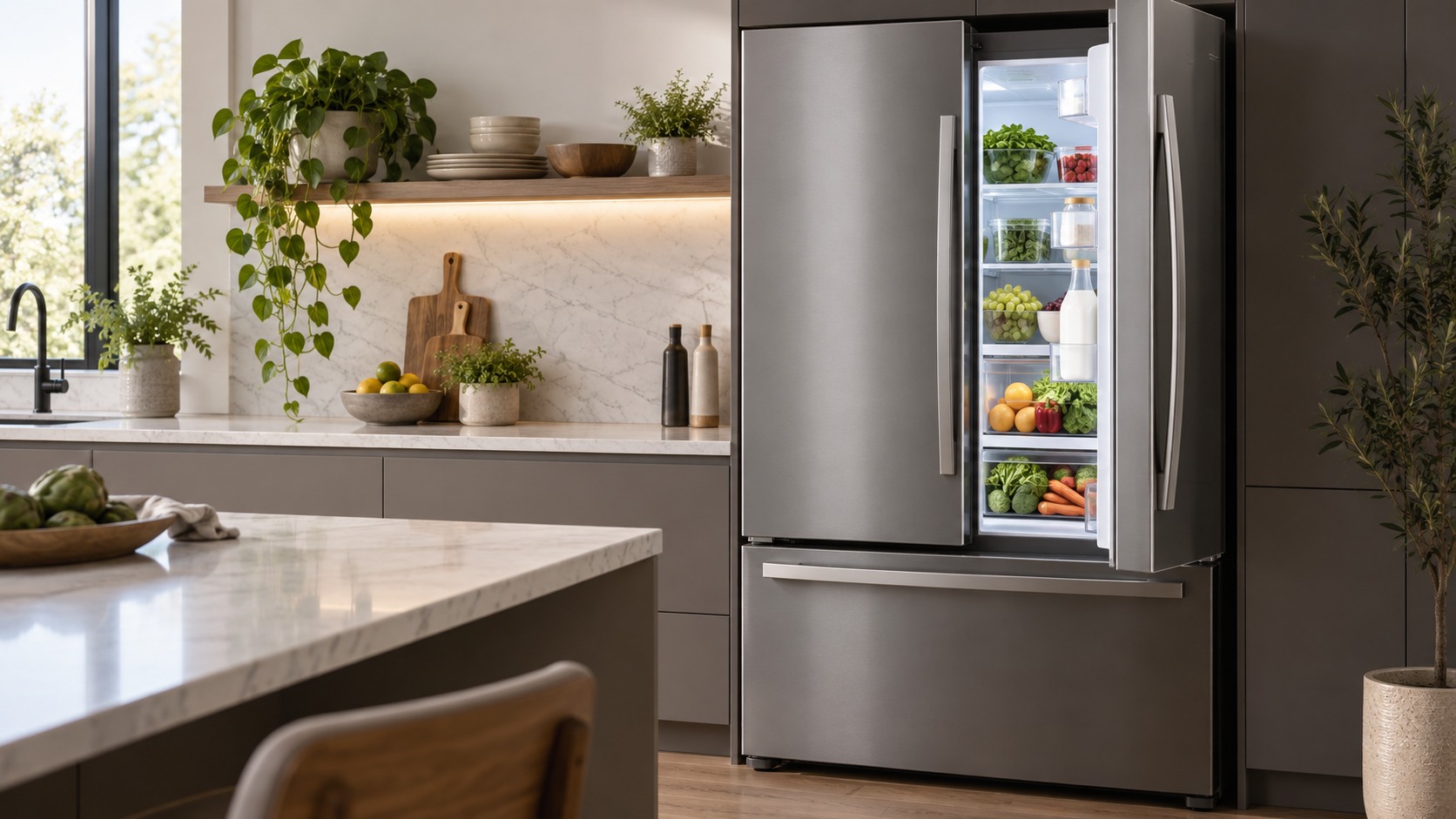
The best smart refrigerators for modern homes begin with storage, cooling, reliability, and kitchen fit. Cameras, touchscreens, grocery apps, water filters, and alerts can be useful, but they cannot make up for awkward shelves, poor freezer space, loud operation, or inconsistent temperatures. A smart refrigerator should help a household waste less food, maintain temperature more confidently, and manage everyday storage with less guesswork. The screen and app are secondary to the appliance doing its core job well for years.
A: Storage layout, cooling reliability, fit, service access, and maintenance matter before screens or apps.
A: They are useful only if the views are clear and someone checks them while shopping.
A: Buy one only if the kitchen will use calendars, recipes, lists, or family notes on that screen.
A: They can help with alerts and lists, but household habits still drive most waste reduction.
A: Choose capacity around real grocery habits, kitchen clearance, and freezer needs.
A: They are convenient, but filter cost, ice reliability, and service access should be considered.
A: Review camera, account, and family-sharing settings before using food-storage smart features.
A: Usually only if the appliance is theirs or landlord-approved, so portable kitchen tech may be better.
A: Delivery path, door swing, noise, filter access, and freezer organization are often overlooked.
A: A major appliance should remain useful even if apps, services, or screens age faster than the fridge.
Storage Comes Before Screens
Smart refrigerators choices should begin with the way the household actually spends time. modern appliance shoppers get the most value when features are tied to repeated routines instead of novelty. The right device should reduce steps, improve timing, simplify setup, or make the experience more reliable without forcing every person to learn a complicated app.
The strongest products also fit the room around them. Counter space, cabinet depth, seating distance, cable paths, ventilation, cleaning habits, and shared controls can matter as much as the headline specification. A device that looks powerful online can become frustrating if it is awkward to place, hard to clean, or confusing for guests.
Compatibility should be checked at the exact feature level. A product may support a voice assistant, phone app, or smart-home standard while still reserving advanced actions for its own ecosystem. Buyers should confirm the routines, profiles, remotes, inputs, alerts, and account sharing they expect before treating a device as a long-term anchor.
The best upgrades usually preserve ordinary control. Buttons, remotes, knobs, physical switches, and clear on-device controls still matter when hands are wet, the internet is down, a guest is visiting, or someone simply wants a faster path. Smart features should add flexibility without making the simple action slower.
Long-term cost deserves a sober look. Subscriptions, replacement filters, accessories, mounting hardware, storage plans, cables, and extended warranties can change the real price. A slightly more expensive device can be the better buy when it avoids recurring fees, supports longer updates, or replaces several weaker gadgets.
A refrigerator also has to survive changing household habits. Families may cook more, entertain less, start meal prepping, or need more freezer space over time. Flexible shelves, durable drawers, and clear zones can adapt better than a fixed layout built around one showroom arrangement.
Cooling Reliability Still Matters Most
Smart refrigerators choices should begin with the way the household actually spends time. modern appliance shoppers get the most value when features are tied to repeated routines instead of novelty. The right device should reduce steps, improve timing, simplify setup, or make the experience more reliable without forcing every person to learn a complicated app.
The strongest products also fit the room around them. Counter space, cabinet depth, seating distance, cable paths, ventilation, cleaning habits, and shared controls can matter as much as the headline specification. A device that looks powerful online can become frustrating if it is awkward to place, hard to clean, or confusing for guests.
Compatibility should be checked at the exact feature level. A product may support a voice assistant, phone app, or smart-home standard while still reserving advanced actions for its own ecosystem. Buyers should confirm the routines, profiles, remotes, inputs, alerts, and account sharing they expect before treating a device as a long-term anchor.
The best upgrades usually preserve ordinary control. Buttons, remotes, knobs, physical switches, and clear on-device controls still matter when hands are wet, the internet is down, a guest is visiting, or someone simply wants a faster path. Smart features should add flexibility without making the simple action slower.
Long-term cost deserves a sober look. Subscriptions, replacement filters, accessories, mounting hardware, storage plans, cables, and extended warranties can change the real price. A slightly more expensive device can be the better buy when it avoids recurring fees, supports longer updates, or replaces several weaker gadgets.
Setup quality determines whether the device feels smart after the first week. Naming, placement, account access, app permissions, firmware updates, and fallback controls should be finished before the household depends on the feature. A careful first hour can prevent months of small annoyances.
The final test is ordinary use. Try smart refrigerators during rushed mornings, tired evenings, weekends, guests, cleanup, quiet time, and travel. If it keeps helping when nobody is thinking about the technology anymore, it has earned its place.
Smart features should support that flexibility. Door alerts, temperature warnings, and maintenance reminders are valuable because they protect the appliance's core job. Cameras and screens are more personal: useful for some kitchens, forgettable in others, and never a substitute for storage that works.
Temperature zones should be judged by food habits, not just labels. A household that stores produce, leftovers, drinks, and frozen meal prep needs different flexibility than one that shops daily. Adjustable drawers and dependable alerts can protect food quality better than a flashy panel that does not change how shelves are used.
Cameras And Lists Need Real Habits
Smart refrigerators choices should begin with the way the household actually spends time. modern appliance shoppers get the most value when features are tied to repeated routines instead of novelty. The right device should reduce steps, improve timing, simplify setup, or make the experience more reliable without forcing every person to learn a complicated app.
The strongest products also fit the room around them. Counter space, cabinet depth, seating distance, cable paths, ventilation, cleaning habits, and shared controls can matter as much as the headline specification. A device that looks powerful online can become frustrating if it is awkward to place, hard to clean, or confusing for guests.
Compatibility should be checked at the exact feature level. A product may support a voice assistant, phone app, or smart-home standard while still reserving advanced actions for its own ecosystem. Buyers should confirm the routines, profiles, remotes, inputs, alerts, and account sharing they expect before treating a device as a long-term anchor.
The best upgrades usually preserve ordinary control. Buttons, remotes, knobs, physical switches, and clear on-device controls still matter when hands are wet, the internet is down, a guest is visiting, or someone simply wants a faster path. Smart features should add flexibility without making the simple action slower.
Water And Ice Add Maintenance
Smart refrigerators choices should begin with the way the household actually spends time. modern appliance shoppers get the most value when features are tied to repeated routines instead of novelty. The right device should reduce steps, improve timing, simplify setup, or make the experience more reliable without forcing every person to learn a complicated app.
The strongest products also fit the room around them. Counter space, cabinet depth, seating distance, cable paths, ventilation, cleaning habits, and shared controls can matter as much as the headline specification. A device that looks powerful online can become frustrating if it is awkward to place, hard to clean, or confusing for guests.
Compatibility should be checked at the exact feature level. A product may support a voice assistant, phone app, or smart-home standard while still reserving advanced actions for its own ecosystem. Buyers should confirm the routines, profiles, remotes, inputs, alerts, and account sharing they expect before treating a device as a long-term anchor.
The best upgrades usually preserve ordinary control. Buttons, remotes, knobs, physical switches, and clear on-device controls still matter when hands are wet, the internet is down, a guest is visiting, or someone simply wants a faster path. Smart features should add flexibility without making the simple action slower.
Long-term cost deserves a sober look. Subscriptions, replacement filters, accessories, mounting hardware, storage plans, cables, and extended warranties can change the real price. A slightly more expensive device can be the better buy when it avoids recurring fees, supports longer updates, or replaces several weaker gadgets.
Kitchen Fit Decides Daily Satisfaction
Smart refrigerators choices should begin with the way the household actually spends time. modern appliance shoppers get the most value when features are tied to repeated routines instead of novelty. The right device should reduce steps, improve timing, simplify setup, or make the experience more reliable without forcing every person to learn a complicated app.
The strongest products also fit the room around them. Counter space, cabinet depth, seating distance, cable paths, ventilation, cleaning habits, and shared controls can matter as much as the headline specification. A device that looks powerful online can become frustrating if it is awkward to place, hard to clean, or confusing for guests.
Compatibility should be checked at the exact feature level. A product may support a voice assistant, phone app, or smart-home standard while still reserving advanced actions for its own ecosystem. Buyers should confirm the routines, profiles, remotes, inputs, alerts, and account sharing they expect before treating a device as a long-term anchor.
The best upgrades usually preserve ordinary control. Buttons, remotes, knobs, physical switches, and clear on-device controls still matter when hands are wet, the internet is down, a guest is visiting, or someone simply wants a faster path. Smart features should add flexibility without making the simple action slower.
Long-term cost deserves a sober look. Subscriptions, replacement filters, accessories, mounting hardware, storage plans, cables, and extended warranties can change the real price. A slightly more expensive device can be the better buy when it avoids recurring fees, supports longer updates, or replaces several weaker gadgets.
Setup quality determines whether the device feels smart after the first week. Naming, placement, account access, app permissions, firmware updates, and fallback controls should be finished before the household depends on the feature. A careful first hour can prevent months of small annoyances.
Smart Features Should Age Gracefully
Smart refrigerators choices should begin with the way the household actually spends time. modern appliance shoppers get the most value when features are tied to repeated routines instead of novelty. The right device should reduce steps, improve timing, simplify setup, or make the experience more reliable without forcing every person to learn a complicated app.
The strongest products also fit the room around them. Counter space, cabinet depth, seating distance, cable paths, ventilation, cleaning habits, and shared controls can matter as much as the headline specification. A device that looks powerful online can become frustrating if it is awkward to place, hard to clean, or confusing for guests.
Compatibility should be checked at the exact feature level. A product may support a voice assistant, phone app, or smart-home standard while still reserving advanced actions for its own ecosystem. Buyers should confirm the routines, profiles, remotes, inputs, alerts, and account sharing they expect before treating a device as a long-term anchor.
The best upgrades usually preserve ordinary control. Buttons, remotes, knobs, physical switches, and clear on-device controls still matter when hands are wet, the internet is down, a guest is visiting, or someone simply wants a faster path. Smart features should add flexibility without making the simple action slower.
Long-term cost deserves a sober look. Subscriptions, replacement filters, accessories, mounting hardware, storage plans, cables, and extended warranties can change the real price. A slightly more expensive device can be the better buy when it avoids recurring fees, supports longer updates, or replaces several weaker gadgets.