Pet Hair Changes What A Robot Vacuum Needs
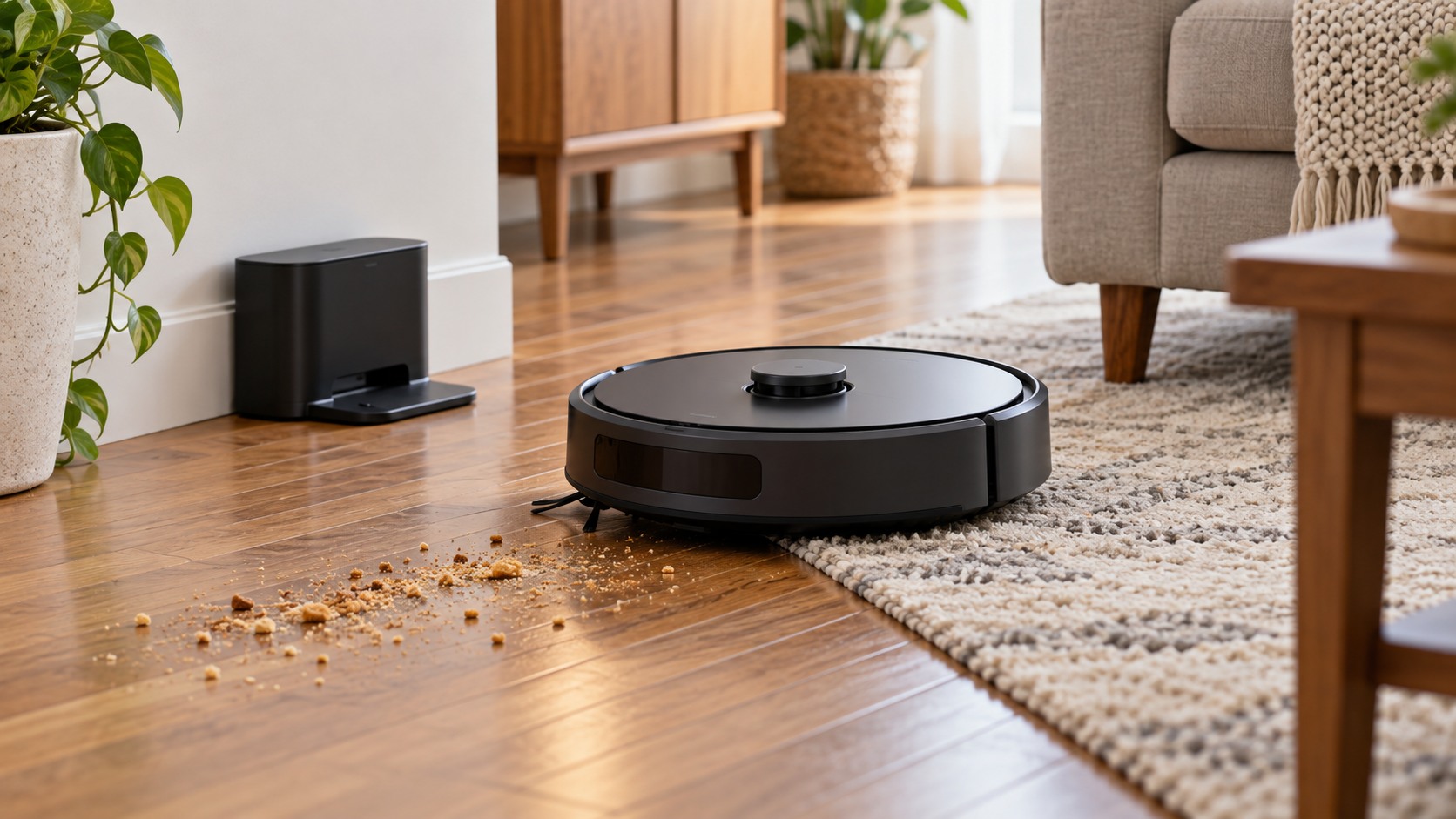
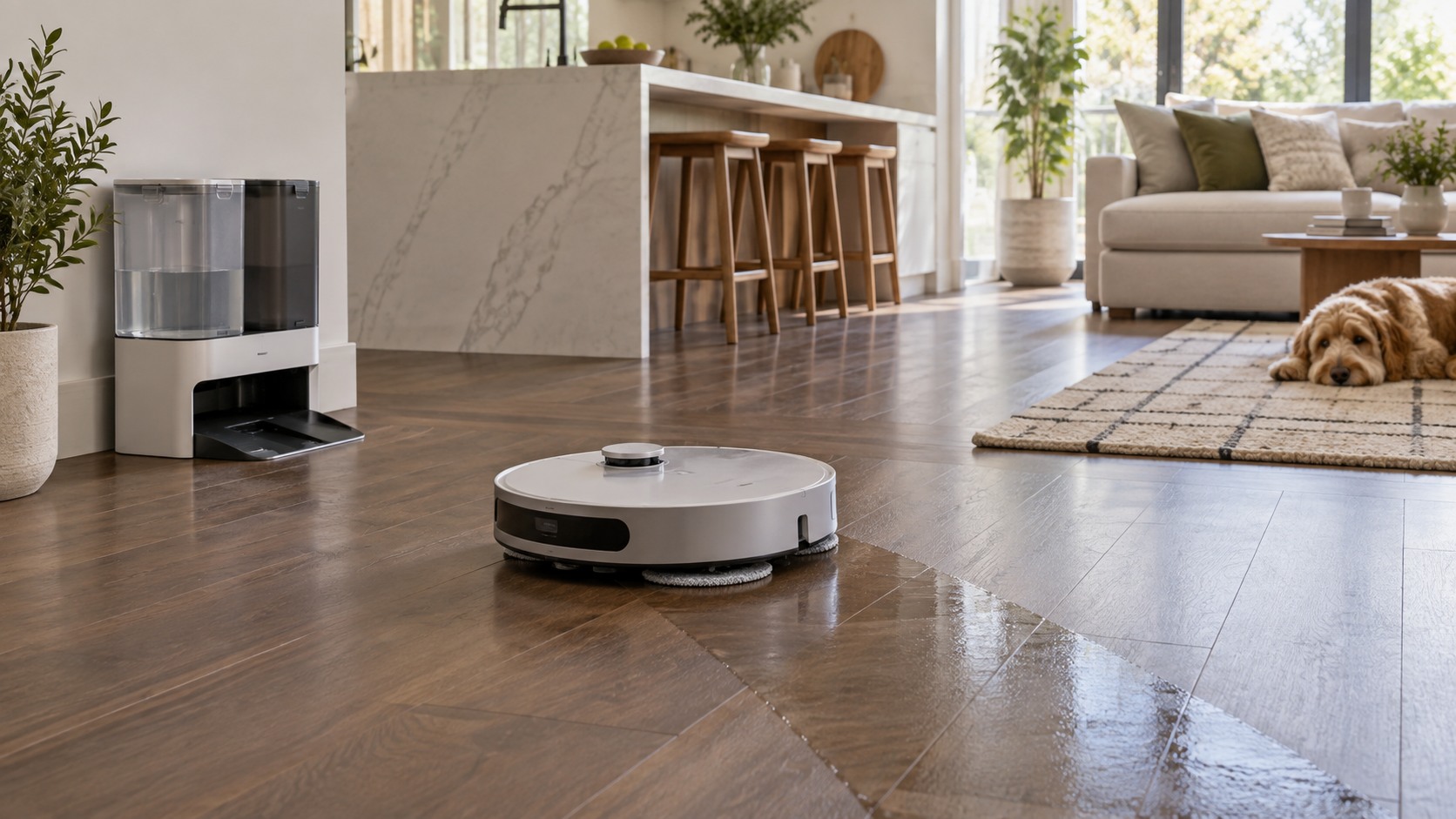
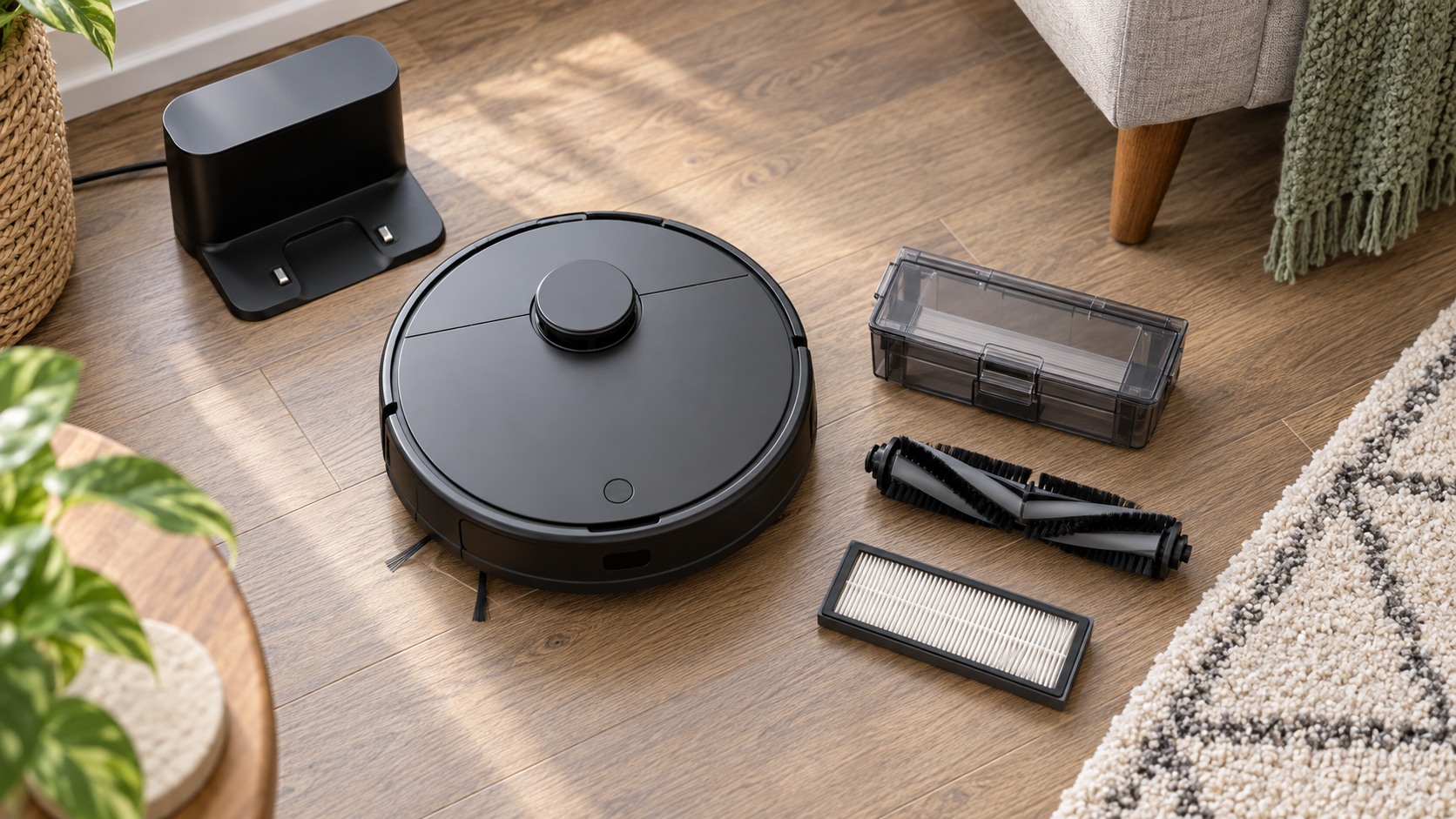
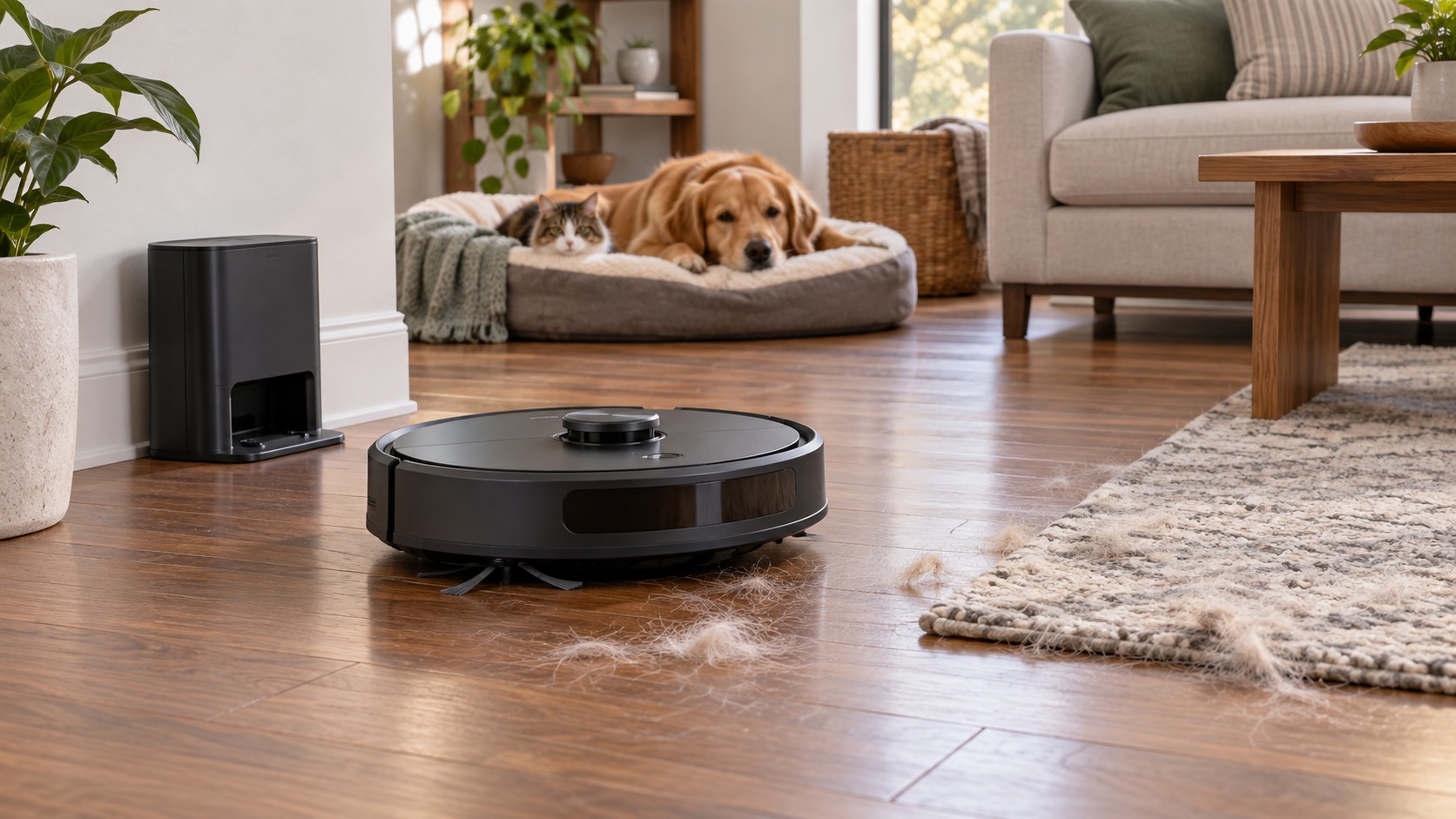
The best robot vacuums for pet hair need more than ordinary suction. Pet homes create soft fur, embedded hair, tracked litter, dander, crumbs, and dust that collect around rugs, furniture, and sleeping spots. A good robot needs brushes that resist tangles, filters that are easy to replace, a bin or dock that can handle frequent debris, and navigation that reaches the places where fur gathers. The right model reduces daily cleanup without becoming another high-maintenance chore.
A: Brush design, bin capacity, filtration, and frequent scheduling matter more than suction alone.
A: Yes, especially for heavy shedding or allergy-sensitive homes.
A: Some can, but rollers still need regular checks and cleaning.
A: Many do better when runs start gradually and supervision happens at first.
A: Use strong edge cleaning and avoid spreading wet or heavy messes.
A: No, but it can reduce the daily layer of hair and debris.
A: Pet beds, main paths, eating areas, and rug edges often need priority.
A: Obstacle avoidance can help, but maintenance and rollers still matter more.
A: High-quality replaceable filters help capture fine dander and dust.
A: Ignoring brush maintenance until tangles reduce cleaning performance.
Start With Shedding Patterns
Robot vacuums for pet hair choices should begin with the way the household actually spends time. pet owners get the most value when features are tied to repeated routines instead of novelty. The right device should reduce steps, improve timing, simplify setup, or make the experience more reliable without forcing every person to learn a complicated app.
The strongest products also fit the room around them. Counter space, cabinet depth, seating distance, cable paths, ventilation, cleaning habits, and shared controls can matter as much as the headline specification. A device that looks powerful online can become frustrating if it is awkward to place, hard to clean, or confusing for guests.
Compatibility should be checked at the exact feature level. A product may support a voice assistant, phone app, or smart-home standard while still reserving advanced actions for its own ecosystem. Buyers should confirm the routines, profiles, remotes, inputs, alerts, and account sharing they expect before treating a device as a long-term anchor.
The best upgrades usually preserve ordinary control. Buttons, remotes, knobs, physical switches, and clear on-device controls still matter when hands are wet, the internet is down, a guest is visiting, or someone simply wants a faster path. Smart features should add flexibility without making the simple action slower.
Long-term cost deserves a sober look. Subscriptions, replacement filters, accessories, mounting hardware, storage plans, cables, and extended warranties can change the real price. A slightly more expensive device can be the better buy when it avoids recurring fees, supports longer updates, or replaces several weaker gadgets.
Pet-hair cleaning should be judged by repeat performance. A robot may pick up visible fur once, but the better model keeps rollers from tangling, returns to the dock reliably, filters fine debris, and handles rugs where hair embeds. That combination matters more than a dramatic single test on an empty floor.
Brushes Decide Pet Performance
Robot vacuums for pet hair choices should begin with the way the household actually spends time. pet owners get the most value when features are tied to repeated routines instead of novelty. The right device should reduce steps, improve timing, simplify setup, or make the experience more reliable without forcing every person to learn a complicated app.
The strongest products also fit the room around them. Counter space, cabinet depth, seating distance, cable paths, ventilation, cleaning habits, and shared controls can matter as much as the headline specification. A device that looks powerful online can become frustrating if it is awkward to place, hard to clean, or confusing for guests.
Compatibility should be checked at the exact feature level. A product may support a voice assistant, phone app, or smart-home standard while still reserving advanced actions for its own ecosystem. Buyers should confirm the routines, profiles, remotes, inputs, alerts, and account sharing they expect before treating a device as a long-term anchor.
The best upgrades usually preserve ordinary control. Buttons, remotes, knobs, physical switches, and clear on-device controls still matter when hands are wet, the internet is down, a guest is visiting, or someone simply wants a faster path. Smart features should add flexibility without making the simple action slower.
Long-term cost deserves a sober look. Subscriptions, replacement filters, accessories, mounting hardware, storage plans, cables, and extended warranties can change the real price. A slightly more expensive device can be the better buy when it avoids recurring fees, supports longer updates, or replaces several weaker gadgets.
Setup quality determines whether the device feels smart after the first week. Naming, placement, account access, app permissions, firmware updates, and fallback controls should be finished before the household depends on the feature. A careful first hour can prevent months of small annoyances.
The final test is ordinary use. Try robot vacuums for pet hair during rushed mornings, tired evenings, weekends, guests, cleanup, quiet time, and travel. If it keeps helping when nobody is thinking about the technology anymore, it has earned its place.
A beginner-friendly setup should also have clear human routines around charging, cleaning, refilling, reviewing alerts, and replacing parts. Pet technology works best when owners know exactly what the device does, what it cannot do, and what action to take when an alert appears.
The best long-term choice is the device that remains easy to live with after the first week. If cleaning, charging, app sharing, or alert review becomes annoying, people stop using the feature. Simple maintenance is part of dependable pet care.
Docks Reduce Daily Handling
Robot vacuums for pet hair choices should begin with the way the household actually spends time. pet owners get the most value when features are tied to repeated routines instead of novelty. The right device should reduce steps, improve timing, simplify setup, or make the experience more reliable without forcing every person to learn a complicated app.
The strongest products also fit the room around them. Counter space, cabinet depth, seating distance, cable paths, ventilation, cleaning habits, and shared controls can matter as much as the headline specification. A device that looks powerful online can become frustrating if it is awkward to place, hard to clean, or confusing for guests.
Compatibility should be checked at the exact feature level. A product may support a voice assistant, phone app, or smart-home standard while still reserving advanced actions for its own ecosystem. Buyers should confirm the routines, profiles, remotes, inputs, alerts, and account sharing they expect before treating a device as a long-term anchor.
The best upgrades usually preserve ordinary control. Buttons, remotes, knobs, physical switches, and clear on-device controls still matter when hands are wet, the internet is down, a guest is visiting, or someone simply wants a faster path. Smart features should add flexibility without making the simple action slower.
Filters Need Real Maintenance
Robot vacuums for pet hair choices should begin with the way the household actually spends time. pet owners get the most value when features are tied to repeated routines instead of novelty. The right device should reduce steps, improve timing, simplify setup, or make the experience more reliable without forcing every person to learn a complicated app.
The strongest products also fit the room around them. Counter space, cabinet depth, seating distance, cable paths, ventilation, cleaning habits, and shared controls can matter as much as the headline specification. A device that looks powerful online can become frustrating if it is awkward to place, hard to clean, or confusing for guests.
Compatibility should be checked at the exact feature level. A product may support a voice assistant, phone app, or smart-home standard while still reserving advanced actions for its own ecosystem. Buyers should confirm the routines, profiles, remotes, inputs, alerts, and account sharing they expect before treating a device as a long-term anchor.
The best upgrades usually preserve ordinary control. Buttons, remotes, knobs, physical switches, and clear on-device controls still matter when hands are wet, the internet is down, a guest is visiting, or someone simply wants a faster path. Smart features should add flexibility without making the simple action slower.
Long-term cost deserves a sober look. Subscriptions, replacement filters, accessories, mounting hardware, storage plans, cables, and extended warranties can change the real price. A slightly more expensive device can be the better buy when it avoids recurring fees, supports longer updates, or replaces several weaker gadgets.
Map Pet Zones Carefully
Robot vacuums for pet hair choices should begin with the way the household actually spends time. pet owners get the most value when features are tied to repeated routines instead of novelty. The right device should reduce steps, improve timing, simplify setup, or make the experience more reliable without forcing every person to learn a complicated app.
The strongest products also fit the room around them. Counter space, cabinet depth, seating distance, cable paths, ventilation, cleaning habits, and shared controls can matter as much as the headline specification. A device that looks powerful online can become frustrating if it is awkward to place, hard to clean, or confusing for guests.
Compatibility should be checked at the exact feature level. A product may support a voice assistant, phone app, or smart-home standard while still reserving advanced actions for its own ecosystem. Buyers should confirm the routines, profiles, remotes, inputs, alerts, and account sharing they expect before treating a device as a long-term anchor.
The best upgrades usually preserve ordinary control. Buttons, remotes, knobs, physical switches, and clear on-device controls still matter when hands are wet, the internet is down, a guest is visiting, or someone simply wants a faster path. Smart features should add flexibility without making the simple action slower.
Long-term cost deserves a sober look. Subscriptions, replacement filters, accessories, mounting hardware, storage plans, cables, and extended warranties can change the real price. A slightly more expensive device can be the better buy when it avoids recurring fees, supports longer updates, or replaces several weaker gadgets.
Setup quality determines whether the device feels smart after the first week. Naming, placement, account access, app permissions, firmware updates, and fallback controls should be finished before the household depends on the feature. A careful first hour can prevent months of small annoyances.
Expect Regular Upkeep
Robot vacuums for pet hair choices should begin with the way the household actually spends time. pet owners get the most value when features are tied to repeated routines instead of novelty. The right device should reduce steps, improve timing, simplify setup, or make the experience more reliable without forcing every person to learn a complicated app.
The strongest products also fit the room around them. Counter space, cabinet depth, seating distance, cable paths, ventilation, cleaning habits, and shared controls can matter as much as the headline specification. A device that looks powerful online can become frustrating if it is awkward to place, hard to clean, or confusing for guests.
Compatibility should be checked at the exact feature level. A product may support a voice assistant, phone app, or smart-home standard while still reserving advanced actions for its own ecosystem. Buyers should confirm the routines, profiles, remotes, inputs, alerts, and account sharing they expect before treating a device as a long-term anchor.
The best upgrades usually preserve ordinary control. Buttons, remotes, knobs, physical switches, and clear on-device controls still matter when hands are wet, the internet is down, a guest is visiting, or someone simply wants a faster path. Smart features should add flexibility without making the simple action slower.
Long-term cost deserves a sober look. Subscriptions, replacement filters, accessories, mounting hardware, storage plans, cables, and extended warranties can change the real price. A slightly more expensive device can be the better buy when it avoids recurring fees, supports longer updates, or replaces several weaker gadgets.