Beginner Pet Tech Should Start With Care Basics
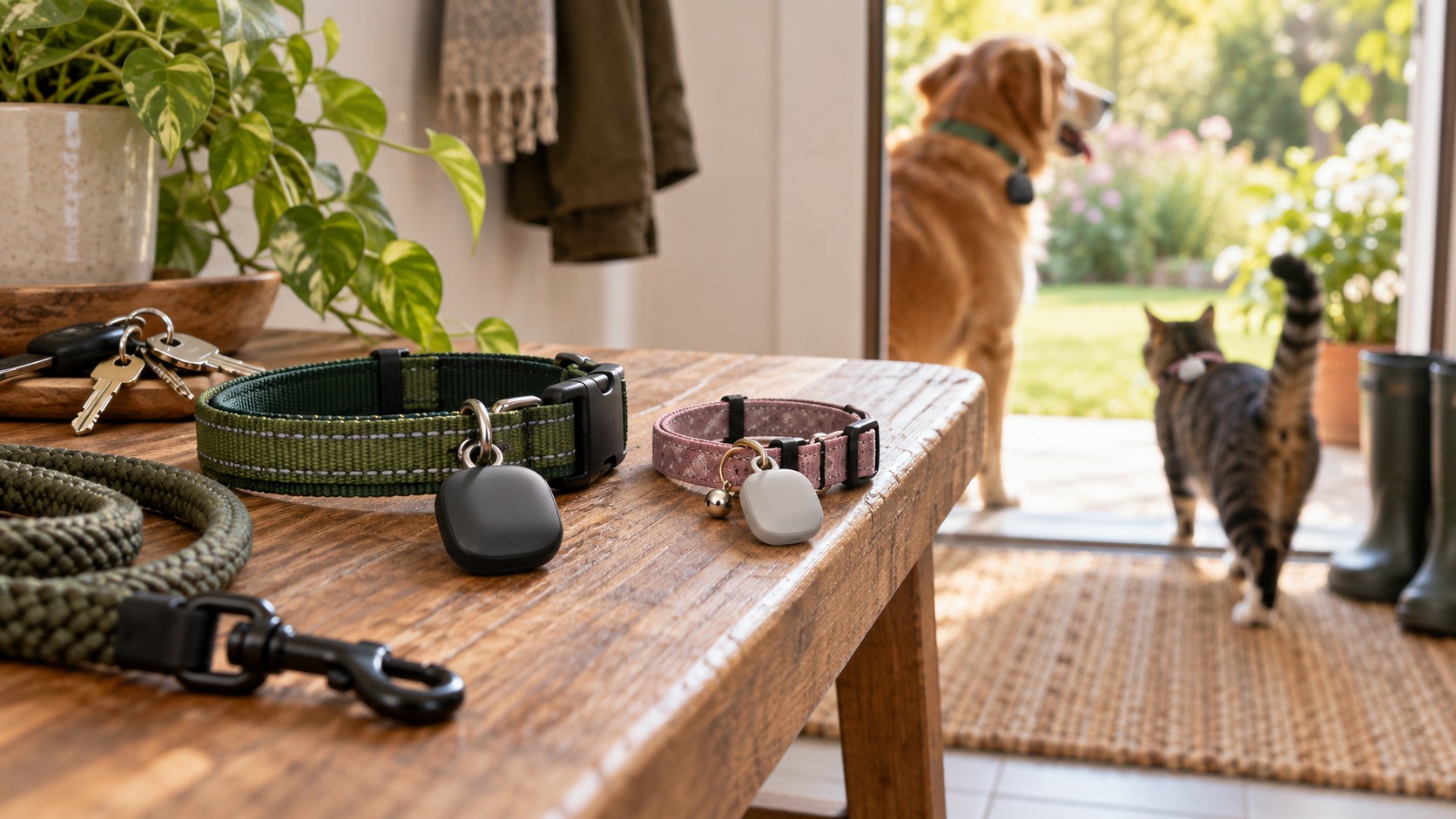
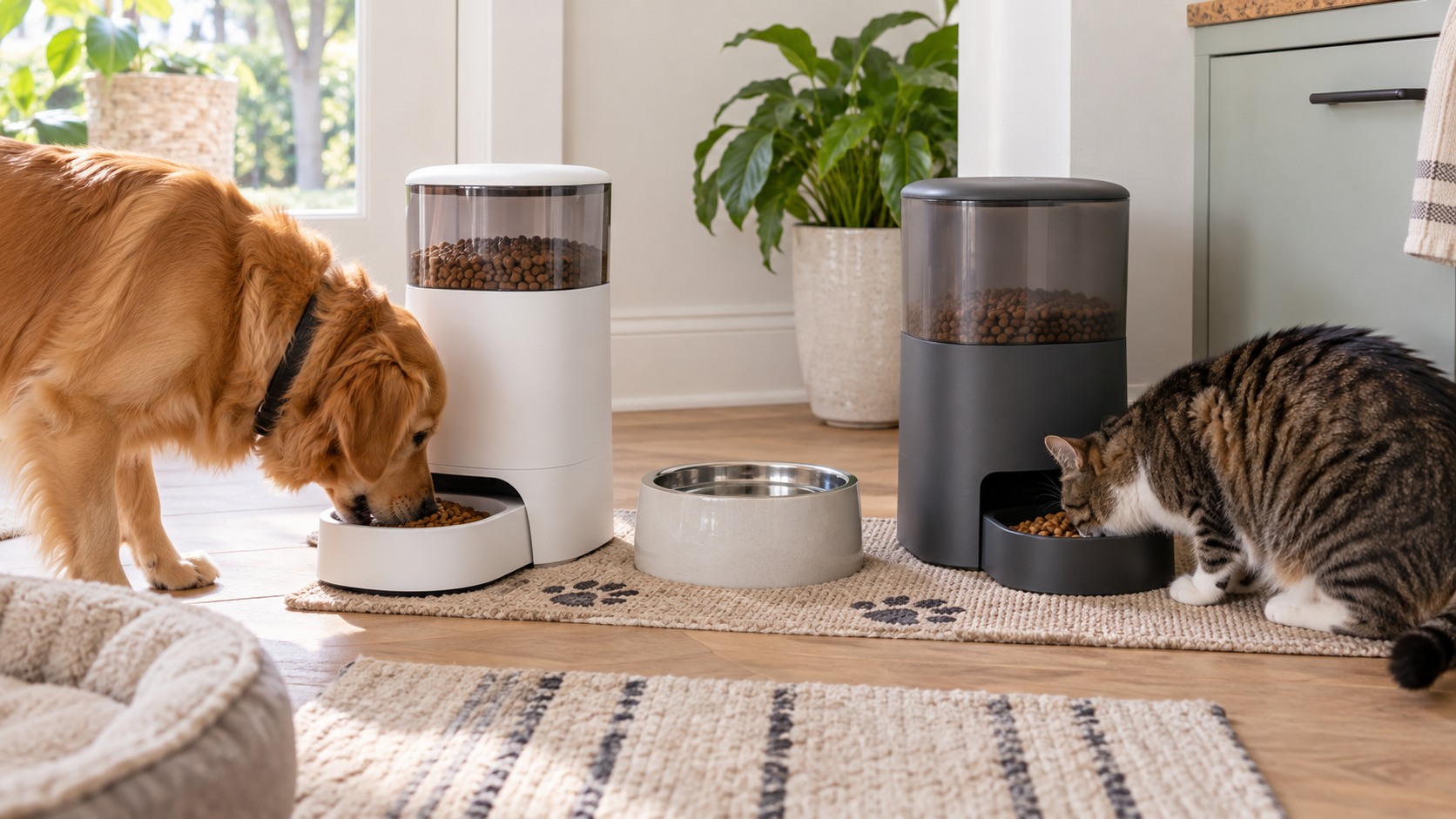
A smart pet tech guide for beginners should start with the daily care problems that repeat: feeding, water, safety, cleanup, and checking in from away. A feeder can help portions, a fountain can encourage hydration, a tracker can support recovery, a camera can show behavior, and a cleaning robot can reduce fur. The best beginner setup is simple, reliable, and easy to maintain before adding more specialized gadgets.
A: Start with the clearest care need, such as feeding, water, tracking, cameras, or fur cleanup.
A: Yes, if they are easy to clean and portion accurately.
A: Some drink more from fountains, but cleaning and filter routines matter.
A: Buy one when escape risk, travel, or outdoor routines make location alerts useful.
A: They are useful when behavior, separation stress, or check-ins matter.
A: No. It supports routines but does not replace attention or veterinary care.
A: If daily care requires app hopping, simplify the setup.
A: Review cameras, shared accounts, clip storage, and room placement.
A: Use portable feeders, cameras, fountains, trackers, and cleaning robots.
A: Add devices after the first tool proves useful and easy to maintain.
Start With One Care Problem
Smart pet tech choices should begin with the way the household actually spends time. beginners caring for dogs and cats get the most value when features are tied to repeated routines instead of novelty. The right device should reduce steps, improve timing, simplify setup, or make the experience more reliable without forcing every person to learn a complicated app.
The strongest products also fit the room around them. Counter space, cabinet depth, seating distance, cable paths, ventilation, cleaning habits, and shared controls can matter as much as the headline specification. A device that looks powerful online can become frustrating if it is awkward to place, hard to clean, or confusing for guests.
Compatibility should be checked at the exact feature level. A product may support a voice assistant, phone app, or smart-home standard while still reserving advanced actions for its own ecosystem. Buyers should confirm the routines, profiles, remotes, inputs, alerts, and account sharing they expect before treating a device as a long-term anchor.
The best upgrades usually preserve ordinary control. Buttons, remotes, knobs, physical switches, and clear on-device controls still matter when hands are wet, the internet is down, a guest is visiting, or someone simply wants a faster path. Smart features should add flexibility without making the simple action slower.
Long-term cost deserves a sober look. Subscriptions, replacement filters, accessories, mounting hardware, storage plans, cables, and extended warranties can change the real price. A slightly more expensive device can be the better buy when it avoids recurring fees, supports longer updates, or replaces several weaker gadgets.
Beginner pet tech works best when it starts with care basics: food, water, safety, observation, and daily routine. A feeder, fountain, tracker, or camera should solve one clear concern before the household adds more devices. Simple, reliable tools are kinder to both people and pets than a complicated collection of apps.
Feeding Tools Need Cleaning
Smart pet tech choices should begin with the way the household actually spends time. beginners caring for dogs and cats get the most value when features are tied to repeated routines instead of novelty. The right device should reduce steps, improve timing, simplify setup, or make the experience more reliable without forcing every person to learn a complicated app.
The strongest products also fit the room around them. Counter space, cabinet depth, seating distance, cable paths, ventilation, cleaning habits, and shared controls can matter as much as the headline specification. A device that looks powerful online can become frustrating if it is awkward to place, hard to clean, or confusing for guests.
Compatibility should be checked at the exact feature level. A product may support a voice assistant, phone app, or smart-home standard while still reserving advanced actions for its own ecosystem. Buyers should confirm the routines, profiles, remotes, inputs, alerts, and account sharing they expect before treating a device as a long-term anchor.
The best upgrades usually preserve ordinary control. Buttons, remotes, knobs, physical switches, and clear on-device controls still matter when hands are wet, the internet is down, a guest is visiting, or someone simply wants a faster path. Smart features should add flexibility without making the simple action slower.
Long-term cost deserves a sober look. Subscriptions, replacement filters, accessories, mounting hardware, storage plans, cables, and extended warranties can change the real price. A slightly more expensive device can be the better buy when it avoids recurring fees, supports longer updates, or replaces several weaker gadgets.
Setup quality determines whether the device feels smart after the first week. Naming, placement, account access, app permissions, firmware updates, and fallback controls should be finished before the household depends on the feature. A careful first hour can prevent months of small annoyances.
The final test is ordinary use. Try smart pet tech during rushed mornings, tired evenings, weekends, guests, cleanup, quiet time, and travel. If it keeps helping when nobody is thinking about the technology anymore, it has earned its place.
A beginner-friendly setup should also have clear human routines around charging, cleaning, refilling, reviewing alerts, and replacing parts. Pet technology works best when owners know exactly what the device does, what it cannot do, and what action to take when an alert appears.
The best long-term choice is the device that remains easy to live with after the first week. If cleaning, charging, app sharing, or alert review becomes annoying, people stop using the feature. Simple maintenance is part of dependable pet care.
Trackers Need Testing
Smart pet tech choices should begin with the way the household actually spends time. beginners caring for dogs and cats get the most value when features are tied to repeated routines instead of novelty. The right device should reduce steps, improve timing, simplify setup, or make the experience more reliable without forcing every person to learn a complicated app.
The strongest products also fit the room around them. Counter space, cabinet depth, seating distance, cable paths, ventilation, cleaning habits, and shared controls can matter as much as the headline specification. A device that looks powerful online can become frustrating if it is awkward to place, hard to clean, or confusing for guests.
Compatibility should be checked at the exact feature level. A product may support a voice assistant, phone app, or smart-home standard while still reserving advanced actions for its own ecosystem. Buyers should confirm the routines, profiles, remotes, inputs, alerts, and account sharing they expect before treating a device as a long-term anchor.
The best upgrades usually preserve ordinary control. Buttons, remotes, knobs, physical switches, and clear on-device controls still matter when hands are wet, the internet is down, a guest is visiting, or someone simply wants a faster path. Smart features should add flexibility without making the simple action slower.
Cameras Need Purpose
Smart pet tech choices should begin with the way the household actually spends time. beginners caring for dogs and cats get the most value when features are tied to repeated routines instead of novelty. The right device should reduce steps, improve timing, simplify setup, or make the experience more reliable without forcing every person to learn a complicated app.
The strongest products also fit the room around them. Counter space, cabinet depth, seating distance, cable paths, ventilation, cleaning habits, and shared controls can matter as much as the headline specification. A device that looks powerful online can become frustrating if it is awkward to place, hard to clean, or confusing for guests.
Compatibility should be checked at the exact feature level. A product may support a voice assistant, phone app, or smart-home standard while still reserving advanced actions for its own ecosystem. Buyers should confirm the routines, profiles, remotes, inputs, alerts, and account sharing they expect before treating a device as a long-term anchor.
The best upgrades usually preserve ordinary control. Buttons, remotes, knobs, physical switches, and clear on-device controls still matter when hands are wet, the internet is down, a guest is visiting, or someone simply wants a faster path. Smart features should add flexibility without making the simple action slower.
Long-term cost deserves a sober look. Subscriptions, replacement filters, accessories, mounting hardware, storage plans, cables, and extended warranties can change the real price. A slightly more expensive device can be the better buy when it avoids recurring fees, supports longer updates, or replaces several weaker gadgets.
Cleaning Robots Reduce Fur
Smart pet tech choices should begin with the way the household actually spends time. beginners caring for dogs and cats get the most value when features are tied to repeated routines instead of novelty. The right device should reduce steps, improve timing, simplify setup, or make the experience more reliable without forcing every person to learn a complicated app.
The strongest products also fit the room around them. Counter space, cabinet depth, seating distance, cable paths, ventilation, cleaning habits, and shared controls can matter as much as the headline specification. A device that looks powerful online can become frustrating if it is awkward to place, hard to clean, or confusing for guests.
Compatibility should be checked at the exact feature level. A product may support a voice assistant, phone app, or smart-home standard while still reserving advanced actions for its own ecosystem. Buyers should confirm the routines, profiles, remotes, inputs, alerts, and account sharing they expect before treating a device as a long-term anchor.
The best upgrades usually preserve ordinary control. Buttons, remotes, knobs, physical switches, and clear on-device controls still matter when hands are wet, the internet is down, a guest is visiting, or someone simply wants a faster path. Smart features should add flexibility without making the simple action slower.
Long-term cost deserves a sober look. Subscriptions, replacement filters, accessories, mounting hardware, storage plans, cables, and extended warranties can change the real price. A slightly more expensive device can be the better buy when it avoids recurring fees, supports longer updates, or replaces several weaker gadgets.
Setup quality determines whether the device feels smart after the first week. Naming, placement, account access, app permissions, firmware updates, and fallback controls should be finished before the household depends on the feature. A careful first hour can prevent months of small annoyances.
Keep The Setup Simple
Smart pet tech choices should begin with the way the household actually spends time. beginners caring for dogs and cats get the most value when features are tied to repeated routines instead of novelty. The right device should reduce steps, improve timing, simplify setup, or make the experience more reliable without forcing every person to learn a complicated app.
The strongest products also fit the room around them. Counter space, cabinet depth, seating distance, cable paths, ventilation, cleaning habits, and shared controls can matter as much as the headline specification. A device that looks powerful online can become frustrating if it is awkward to place, hard to clean, or confusing for guests.
Compatibility should be checked at the exact feature level. A product may support a voice assistant, phone app, or smart-home standard while still reserving advanced actions for its own ecosystem. Buyers should confirm the routines, profiles, remotes, inputs, alerts, and account sharing they expect before treating a device as a long-term anchor.
The best upgrades usually preserve ordinary control. Buttons, remotes, knobs, physical switches, and clear on-device controls still matter when hands are wet, the internet is down, a guest is visiting, or someone simply wants a faster path. Smart features should add flexibility without making the simple action slower.
Long-term cost deserves a sober look. Subscriptions, replacement filters, accessories, mounting hardware, storage plans, cables, and extended warranties can change the real price. A slightly more expensive device can be the better buy when it avoids recurring fees, supports longer updates, or replaces several weaker gadgets.