The Future of Smartwatches Beyond Fitness Tracking
The future of smartwatches goes beyond fitness into health context, payments, home control, safety, identity, communication, and AI assistance.

Where Innovation Meets Everyday Life
The future of smartwatches goes beyond fitness into health context, payments, home control, safety, identity, communication, and AI assistance.
AI-powered wearables are changing everyday life by turning body signals, location context, voice, and routines into quieter assistance.
Wearable tech trends for 2030 point toward quieter AI, smart textiles, rings, glasses, health patches, better batteries, and more privacy-aware device networks.
The next decade of wearables will be defined by better sensors, smarter on-device AI, flexible materials, ambient displays, improved batteries, and privacy-aware health platforms.
Smart health wearables can support safety through fall detection, emergency calling, medical ID, glucose alerts, rhythm notifications, and caregiver workflows when they are set up with realistic action plans.
Medical wearables are reshaping preventive healthcare by turning daily signals into earlier conversations, better baselines, and more practical follow-up between visits.
The best medical wearables for 2026 depend on what you need to track, how you will use the data, and whether the device’s claims match its evidence.
Medical wearables are moving health tracking from occasional snapshots to continuous context, but the most useful devices still need accurate sensors, clear limits, privacy protection, and clinician-ready data.
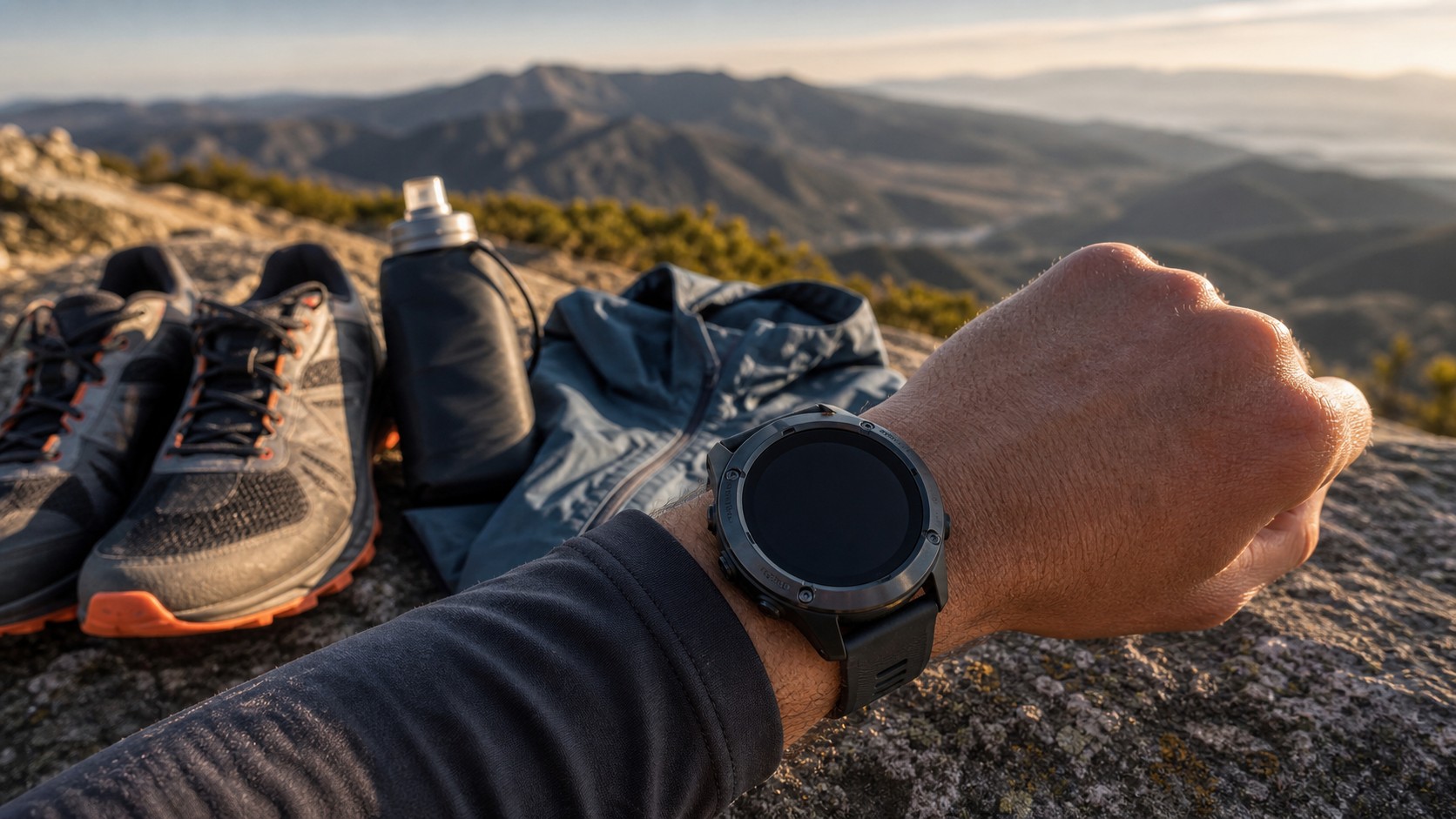
A practical athlete-focused guide to choosing a smartwatch for GPS precision, heart-rate data, training load, recovery, mapping, durability, and race-day battery life.
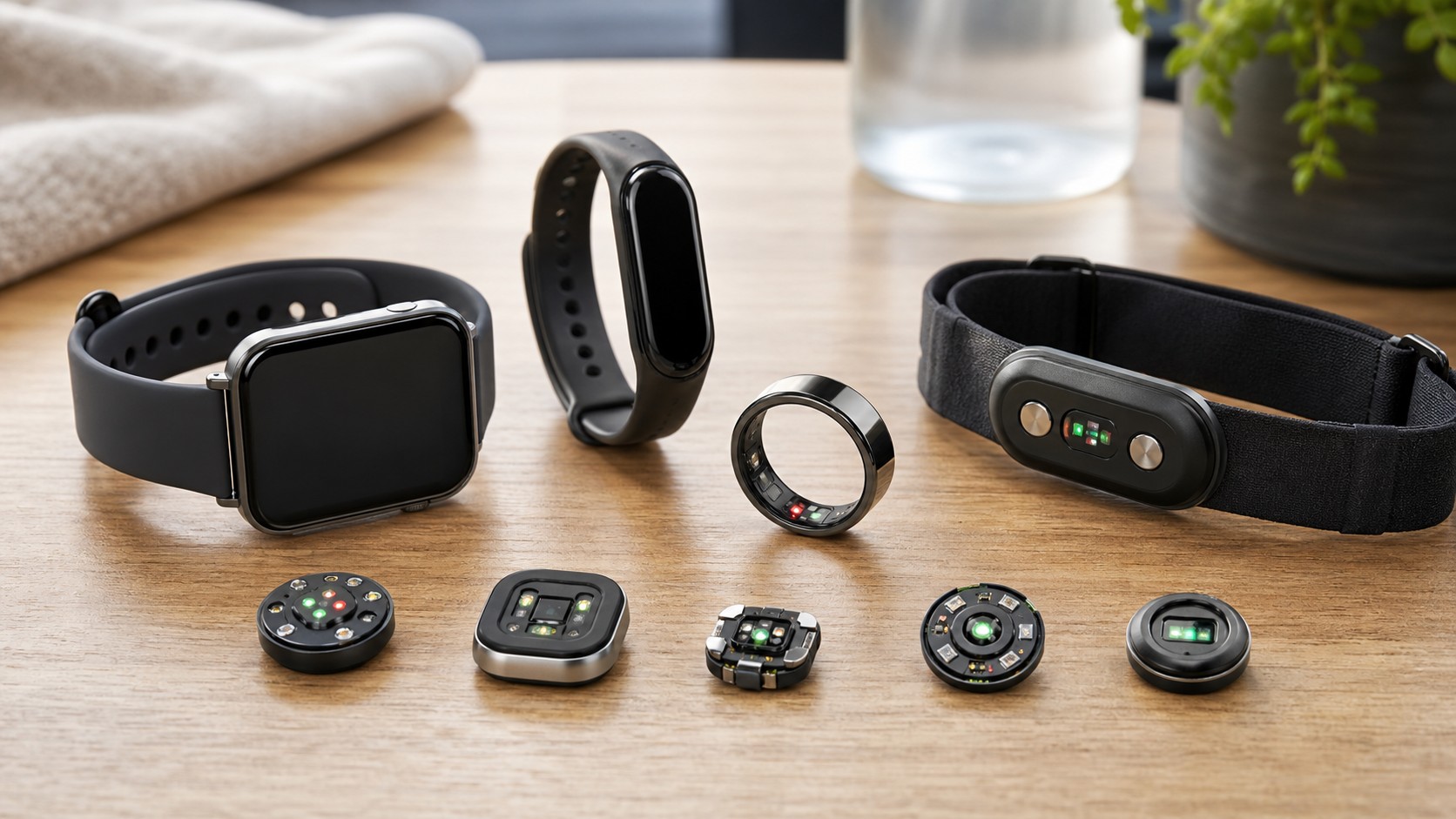
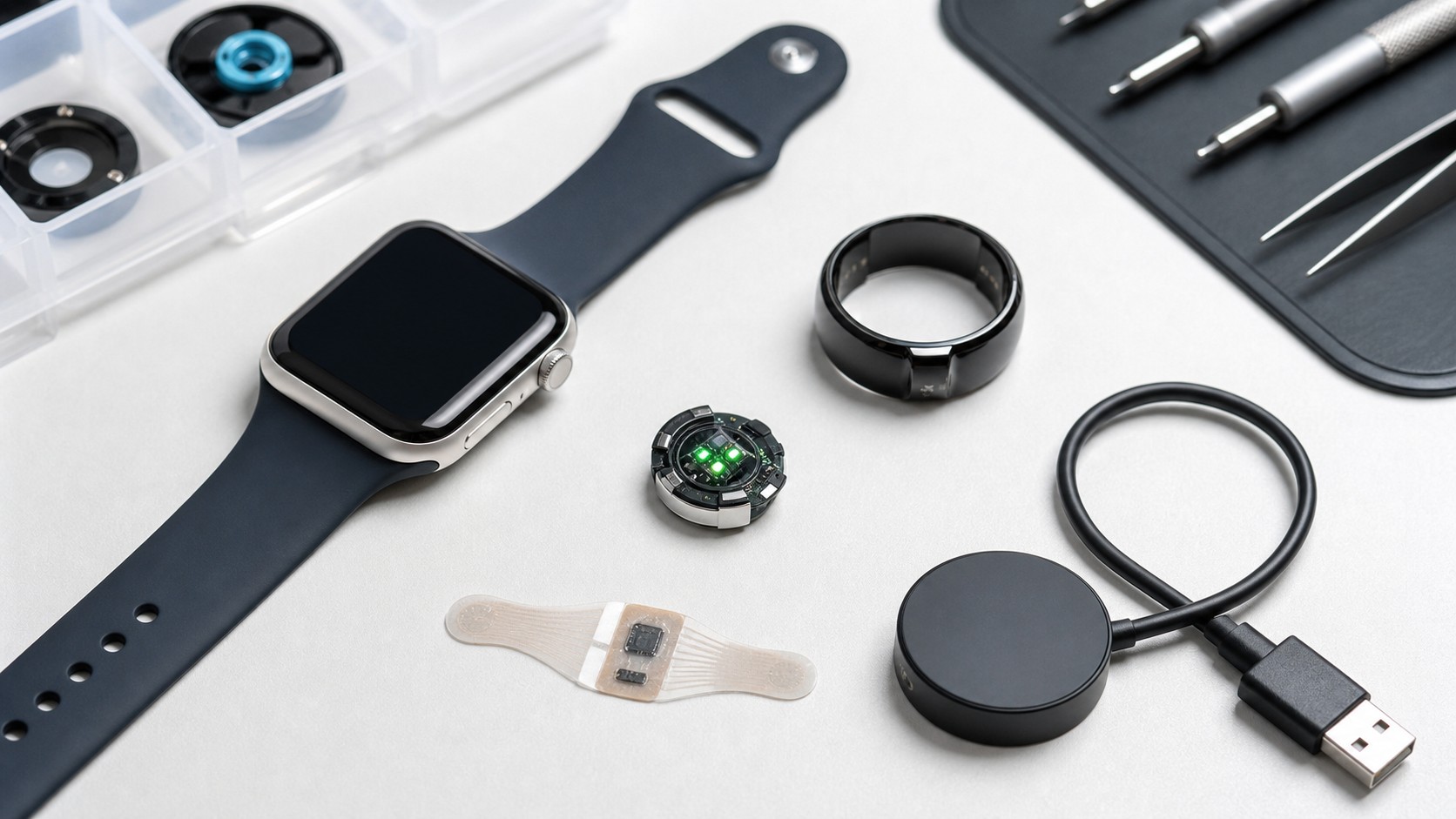
A practical catalog of the biometric sensors found in smartwatches and fitness trackers, organized by device type, use case, and the limits of what each sensor can tell you.
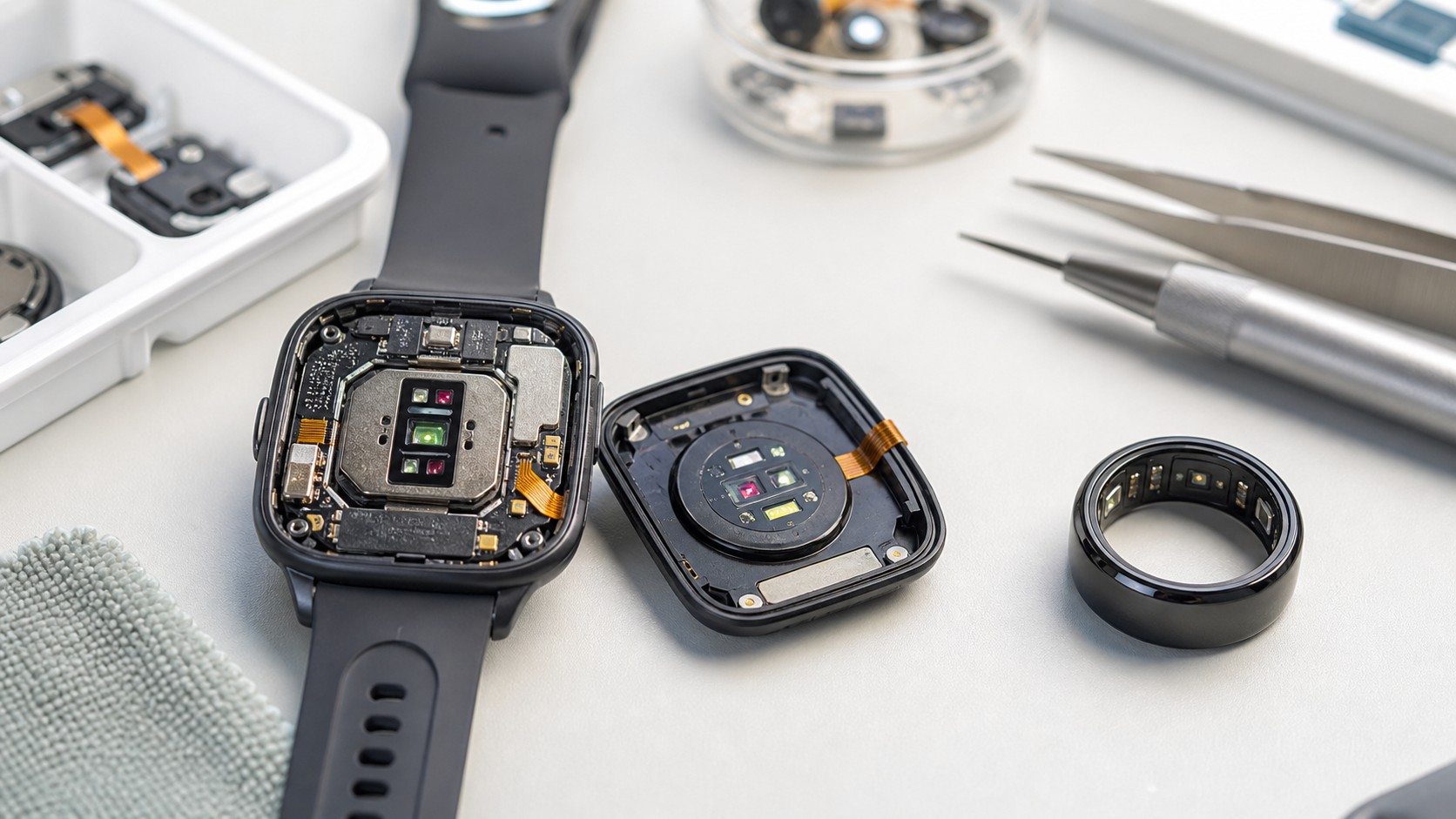
Wearable biometric sensors turn light, electrical impulses, motion, temperature, and pressure into health readings through sampling, filtering, calibration, and pattern recognition.
A practical guide to the biometric sensors that make wearable health tracking useful, from heart-rate optics and ECG electrodes to temperature, SpO2, motion, and emerging chemical sensors.